Halal’s Big Business Makeover: From Food Rules to Beauty Brands and Banking
When Food Certification Became a Global Empire
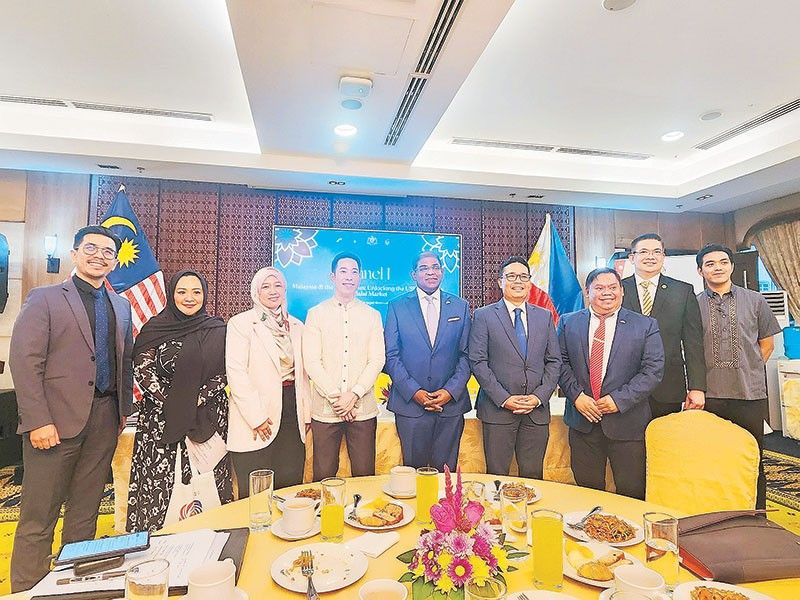
At a recent gathering in Manila’s Malaysian Embassy, business leaders unveiled something remarkable: halal certification has quietly infiltrated cosmetics, tourism, banking, and pharmaceuticals. What started as Islamic dietary law has morphed into a quality stamp that appeals to consumers of every faith.
Malaysian Ambassador Dato’ Abdul Malik Melvin Castelino opened the February roundtable with a bold statement: “We’re exploring opportunities in halal certification, trade, investment, and capacity building across industries most people never associate with religious compliance.”
Philippine Beauty Brands Are Conquering the Middle East
Philippine cosmetics companies have discovered gold in halal certification. Ameera Beauty, MERSI Cosmetics, and other local brands have generated $7.3 million in international sales by targeting Malaysia, UAE, and Saudi Arabia with halal-certified makeup and skincare.
Beauty shelves worldwide are shifting toward ethical production and ingredient transparency. Halal certification delivers both, plus access to markets that traditional brands struggle to enter. Filipino companies grabbed early advantage by understanding that halal beauty products appeal far beyond Muslim consumers.
Hotels Started Adding Prayer Rooms
The Philippines just won “Emerging Muslim-friendly Destination of the Year” among non-Muslim majority countries. Hotels like Dusit Thani Manila and Berjaya Hotel Makati now offer halal dining options alongside prayer spaces.
Muslim-friendly tourism generates serious revenue. Travelers seeking halal-compliant destinations spend more per trip and stay longer than average tourists. The Philippines recognized early that religious accommodation equals economic opportunity.
Khairul Azwan Harun from Malaysia’s Halal Development Corporation put it bluntly: “Muslim-friendly tourism offers huge opportunities for the Philippines, given your vast resources and beautiful attractions.”
Banking Without Interest
Maybank Philippines launched Islamic banking services in Zamboanga last year, introducing Shariah-compliant financial products to both Muslim and non-Muslim clients seeking ethical alternatives.
Islamic banking prohibits interest (riba) and speculative investments, appealing to customers who want transparent, socially responsible financial services. The sector has grown beyond religious requirements to attract mainstream consumers seeking ethical banking options.
Pharmaceuticals Chase the $132 Billion Prize
The global halal pharmaceutical market hit $132 billion, yet remains largely untapped in the Philippines. Companies are eyeing opportunities to develop medications and supplements meeting halal standards – particularly important as Indonesia mandates halal certification for all pharmaceutical imports.
Healthcare products face the same consumer trends driving other industries: demand for transparency, ethical sourcing, and religious compliance. Pharmaceutical companies that obtain halal certification early gain competitive advantages in Muslim-majority markets.
Quality Trumped Religion
Perhaps most fascinating: halal certification transcended religious origins to become a universal quality marker. Harun emphasized during the Manila roundtable that the halal movement represents integrity, quality, and sustainability values. He added, “Malaysia’s success should be the Philippines’ success together.”
Non-Muslim consumers increasingly choose halal products because certification implies rigorous quality control, ethical sourcing, and transparency. The religious component became secondary to quality assurance.
Philippines Plays Catch-Up with $134 Million Start
The Philippines, where Muslims comprise roughly 10% of the population, launched the Philippine Halal Industry Development Strategic Plan 2023-2028. Early results show promise: the Department of Trade and Industry reported nearly ₱8 billion ($134 million) in halal goods trade last year.
Rather than focusing solely on product certification, the Philippines is building comprehensive ecosystem support. Plans include testing laboratories, technical assistance for small businesses, specialized training programs, and the “Halal-friendly Philippines” brand coordinating government efforts.
Harun introduced the “deemed halal” concept – pre-certification for businesses already following halal principles while completing formal certification. “The Philippines shouldn’t overlook this growing market segment,” he advised.
Malaysia Extends Partnership Hand
Malaysia offered expertise sharing and technical support. “Malaysia stands ready to help through services, expertise, or filling gaps. We can combine each other’s strengths,” Harun declared.
The Malaysia International Halal Showcase (MIHAS) in Kuala Lumpur represents the premier annual trade platform for halal industry players. Last year, 20 Philippine exporters under the Philippine Pavilion generated $7.9 million in sales with government support.
Trade attaché Intan Zalani promoted this year’s September 17-20 MIHAS event: “We welcome Philippine companies interested in expanding halal markets, not only in Malaysia but globally.”
From Niche to Mainstream Economic Driver
The transformation runs deeper than surface trends. Halal certification has evolved from religious requirement to business strategy, from niche market to economic driver worth trillions globally.
Tourism operators add prayer rooms and halal dining. Beauty brands reformulate products for ethical consumers. Banks develop Shariah-compliant services. Pharmaceutical companies eye certification for market access.
The Philippines positioned itself to capture this growth across multiple sectors. With international trade exhibitions generating millions in sales and industries from tourism to banking showing expansion, the halal ecosystem has moved far beyond dinner tables into boardrooms and strategic plans. What started as Islamic dietary law became a global quality standard that smart businesses ignore at their own risk.
Original Article:
Philstar. (2025, September 7). Beyond food: How halal market quietly transforming beauty, tourism, and more. Philstar. Retrieved from https://www.philstar.com/lifestyle/2025/04/17/2436715/beyond-food-how-halal-market-quietly-transforming-beauty-tourism-and-more/amp/