Economic Diplomacy Paves the Way for New Agricultural Export Markets
Alongside ongoing efforts to restructure agricultural production and improve product standards, economic diplomacy has emerged as a decisive force in expanding export destinations and integrating Vietnamese farm produce more deeply into global supply chains.
At a time when international trade faces mounting challenges—from geopolitical tensions and rising protectionism to stricter regulatory requirements—the sustained growth of Việt Nam’s agricultural, forestry, and fishery exports stands out as a significant accomplishment.
This performance has been driven in large part by the proactive, practical, and results-oriented implementation of economic diplomacy.
Draft documents for the 14th National Party Congress identify foreign affairs as a “key and regular” national task, with agriculture and environmental cooperation highlighted as a central pillar of economic diplomacy aligned with broader national development strategies.
According to Deputy Minister of Foreign Affairs Lê Thị Thu Hằng, the Ministry of Foreign Affairs considers economic diplomacy a leading strategic priority. On this basis, the ministry has worked closely with the Ministry of Agriculture and Environment, local authorities, and the business sector to promote deeper integration of Vietnamese agriculture into global value chains, while simultaneously expanding and diversifying export markets.
One notable achievement in recent years has been the implementation of the national project to strengthen international cooperation in developing the halal industry through 2030.
In 2025, the initiative delivered tangible results, with multiple new export markets—particularly in the Middle East and Africa—successfully opened. These developments have laid the foundation for more sustainable long-term growth in Việt Nam’s agricultural sector.
Beyond trade promotion, cooperation between the Ministry of Foreign Affairs and the Ministry of Agriculture and Environment has also extended to fulfilling international commitments related to climate change, environmental protection, and biodiversity conservation.
Deputy Minister Hằng emphasized that meeting these commitments has not only enhanced Việt Nam’s international credibility and sense of responsibility, but has also created opportunities to access advanced technologies and mobilize international financial and technical resources to support green and sustainable agricultural development.
Outcomes in 2025 reflected the effectiveness of these strategic directions. Total export turnover for agriculture, forestry, and fisheries exceeded US$70 billion, with several product categories recording strong growth.
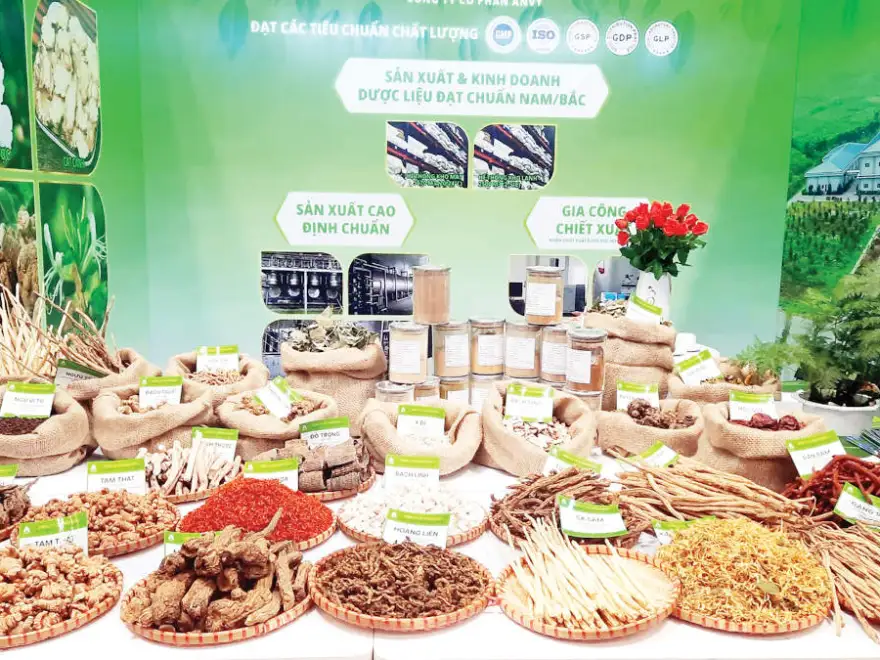
Fruit and vegetable exports were particularly notable, reaching US$8.6 billion—an increase of nearly 20 percent year-on-year. This performance underscores the strong growth momentum of the sector, driven by expanded market access and diversified trading partners.
Nguyễn Thanh Bình, Chairman of the Việt Nam Fruit and Vegetable Association, said the association has intensified efforts to connect member enterprises with local authorities and raw material production zones.
These initiatives have helped strengthen linkages among exporters, producers, farmers, and cooperatives. At the same time, trade promotion activities—including participation in international exhibitions and trade fairs—have been carried out effectively, enabling businesses to access new markets and customers.
In parallel, the association has focused on guiding enterprises and producers to comply with legal requirements and the technical standards of importing markets. This approach has contributed to improving the reputation of Vietnamese fruit and vegetables while reducing export-related violations.
Based on these trends, the association forecasts that fruit and vegetable exports could reach US$10 billion in 2026, provided that product quality continues to improve, traceability systems are fully implemented, and promotional efforts are further strengthened.
Trần Công Thắng, Director of the Institute of Policy and Strategy for Agriculture and Environment, noted that despite the application of certain reciprocal tariff measures by the United States in 2025—affecting agricultural, forestry, and fishery products—exports to the US market still recorded growth.
This outcome demonstrates the ability of Vietnamese enterprises to adapt by restructuring product lines, adjusting market strategies, and leveraging available trade preferences.
In addition to major destinations such as the United States, China, and the European Union, Vietnamese agricultural products are now exported to nearly 200 countries and territories, including high-standard markets such as Japan, the Republic of Korea, Australia, New Zealand, Singapore, and countries in the Middle East.
Nevertheless, the continued reliance of some product groups on a limited number of key markets highlights the need for further diversification of export destinations and supply chains.
Expanding cooperation with emerging regions such as Africa, South Asia, and Latin America could help reduce dependency risks and enhance the resilience of Việt Nam’s agricultural supply chains.
Against this backdrop, Minister of Agriculture and Environment Trần Đức Thắng stated that the ministry is prioritizing the removal of barriers related to market access, technical standards, and traceability, while intensifying efforts to diversify export partners and reduce reliance on traditional markets.
He stressed that export growth should be assessed not only in terms of volume, but also through improvements in quality, branding, and value creation.
Official overseas visits by the Minister and Deputy Ministers to key partners—including Japan, the Republic of Korea, France, China, Europe, Africa, and other regions—are intended to go beyond protocol and diplomacy. These missions aim to expand cooperation, attract investment, access advanced technologies, and acquire modern management expertise. Each visit is expected to translate into concrete programmes and projects that directly support the development of the agriculture and environment sector.
Notably, in 2025, Việt Nam signed five export protocols with China covering chilli peppers, passion fruit, rice bran, raw bird’s nests, and fresh jackfruit.
According to Minister Thắng, these agreements not only expand the range of agricultural products eligible for official export, but also improve stability and transparency in trade flows, reinforcing confidence among farmers and businesses to invest in standardized production and value chain-based development.
Source:
Vietnam News. (2026). Economic diplomacy opens new export markets for farm produce. Vietnam News.
https://vietnamnews.vn/economy/1763954/economic-diplomacy-opens-new-export-markets-for-farm-produce.html