Thailand Advances in Halal Tourism but Basic Services Still Lacking
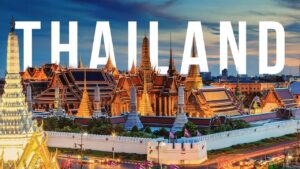
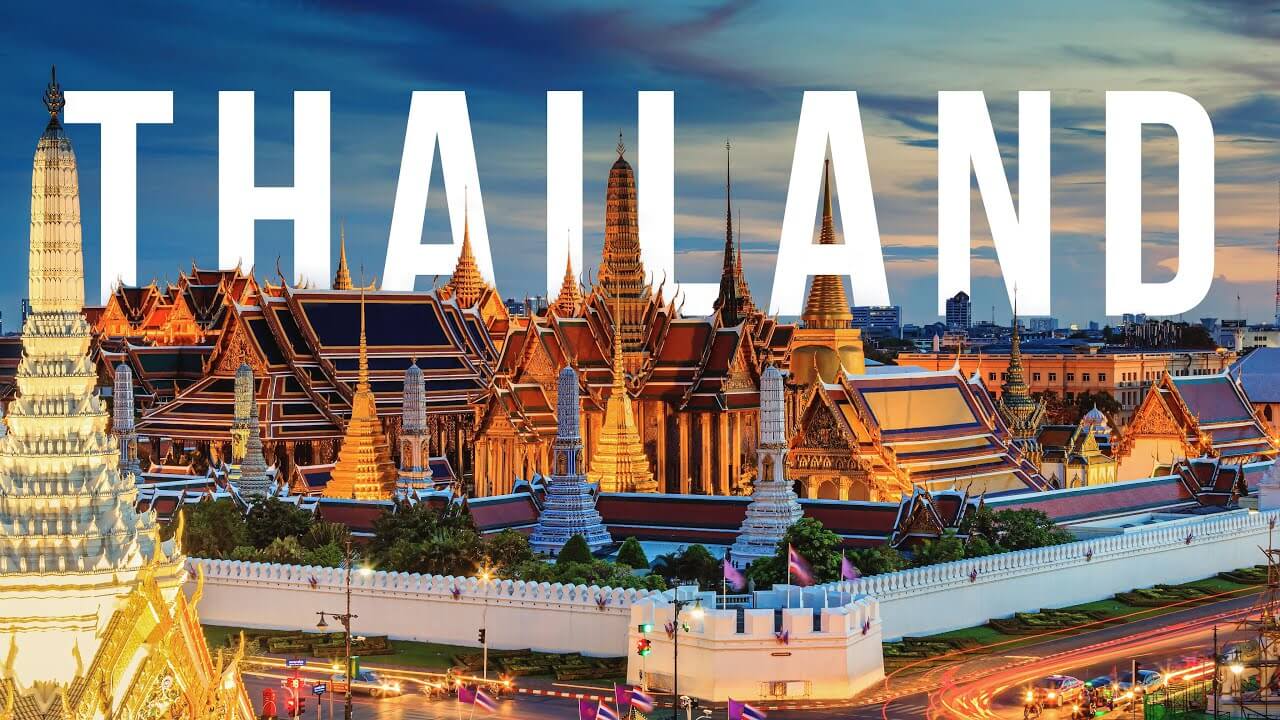
(Photo by: ForeverVacation)
Thailand is currently implementing a four-year strategic plan to establish itself as ASEAN’s halal hub, yet fundamental services such as halal dining options at airports remain insufficient. This situation is considered detrimental to the country’s reputation among Muslim travelers.
Dr. Ninareeman Binnima, a veterinarian who actively promotes halal tourism certification, highlighted the inadequacy of basic services. “I know someone who had to ask Muslim staff at the airport for help and was eventually taken to eat at the employee cafeteria. This clearly damages Thailand’s image in the eyes of Muslim tourists,” she said, as quoted by Bangkok Post on Wednesday (July 9, 2025).
Innovative Certification Initiative
Recognizing the untapped potential in the Muslim travel market, Ninareeman initiated a Muslim-friendly hotel certification program through the Thai Muslim Trade Association (TMTA). This scheme is considered more flexible compared to fully halal hotels, which have numerous restrictions.
“Muslim-friendly hotels differ from halal hotels. Here, business owners can adapt according to their individual capabilities. Hotels can still serve pork and alcohol, provided the services are separated and clearly marked. This way, even hotels managed by non-Muslims can participate,” she explained.
The pilot program began at Hotel Rembrandt Bangkok, which became Thailand’s first hotel to receive level 2 Muslim-Friendly certification from TMTA in June. This certification is called the Global Muslim Friendly Hospitality Index and consists of three levels.
Hotel Industry Adaptation
Zaki Baz, CEO of Rembrandt Hotels Corporation, explained that level 2 certification focuses on Muslim-friendly experiences. “We assist guests with recommendations for tourist attractions, cuisine, and cultural activities suitable for families that respect religious values,” he stated.
The hotel has prepared separate halal kitchens, trained staff, and expanded services. “We have integrated Muslim-friendly services into our operations. We have Arabic-speaking staff, our kitchen is supervised by Muslim chefs, and we also help guests find suitable tourist attractions and shopping venues,” Zaki noted.
The hotel’s food and beverage division now targets level 3 halal certification. “We are building separate halal kitchens to avoid contamination, especially from pork-based products,” he explained.
Regional Competition Challenges
Despite Thailand’s target to become ASEAN’s halal center by 2027, competition from neighboring countries remains intense. “Taiwan and Hong Kong have become favorites among Muslim tourists. They truly provide comprehensive services,” said Fuad Gunsun, Vice Chairman of TMTA.
Fuad noted that many Thai hotels still fail to provide adequate halal breakfast options, despite this being crucial. “Hotels are usually sold with breakfast packages. But for Muslim tourists, halal options are often unavailable,” he observed.
Global Rankings and Comparisons
The 2025 CrescentRating report, a global halal destination rating agency, positioned Thailand as a rising non-OIC country. However, Singapore, Hong Kong, the United Kingdom, and Taiwan maintain their superiority. Taiwan excels by providing prayer rooms at stations and tourist attractions. Hong Kong has over 60 Muslim-friendly labeled restaurants and more than 180 halal-certified restaurants from local Muslim community organizations.
According to Fazal Bahardeen, CEO of CrescentRating, international Muslim travelers reached 176 million people in 2024, representing a 10% increase from pre-pandemic levels. “The number is expected to rise to 245 million people by 2030, with spending predicted to reach $423.5 billion,” the report stated.
Economic Potential and Strategic Goals
The State of the Global Islamic Economy (SGIE) 2024/2025 report identifies Thailand as a non-OIC country with significant potential in the halal tourism sector. However, the main challenge lies in bridging the gap between policy and field implementation.
Thailand is currently executing a four-year plan to become ASEAN’s halal hub by 2027, targeting an additional 1.2% contribution to industrial sector GDP, equivalent to 55 billion baht annually, while creating 100,000 jobs each year.
Implementation Challenges
Despite these ambitious goals, the SGIE report suggests that without improvements in direct services such as halal food, prayer facilities, and staff who understand Muslim needs, Thailand’s ambitions may still lag behind regional competitors.
The challenge extends beyond policy formulation to practical implementation. While Thai businesses are increasingly aware of the Muslim market’s potential, the infrastructure and service delivery systems require significant enhancement to meet international standards expected by Muslim travelers.
Market Opportunities and Future Outlook
The growing Muslim travel market presents substantial opportunities for Thailand’s tourism industry. With Muslim travelers increasingly seeking destinations that accommodate their religious and cultural needs, countries that successfully integrate Muslim-friendly services stand to benefit significantly from this expanding market segment.
Thailand’s strategic location in Southeast Asia, combined with its established tourism infrastructure, positions it well to capture a larger share of the Muslim travel market. However, success depends on addressing current service gaps and ensuring consistent implementation of Muslim-friendly policies across all sectors of the tourism industry.
The country’s four-year plan represents a comprehensive approach to developing its halal tourism sector, but execution at the ground level will determine whether Thailand can achieve its goal of becoming ASEAN’s halal hub and successfully compete with regional rivals who have already established strong reputations among Muslim travelers.
Original Article:
Republika. (2025, July 9). Thailand naik daun di wisata halal, tapi fasilitas dasar masih kurang. https://khazanah.republika.co.id/berita/sz4j16430/thailand-naik-daun-di-wisata-halal-tapi-fasilitas-dasar-masih-kurang