Global Halal Food Industry Analysis 2025-2035: Market Size, Emerging Trends, and Growth Prospects
The worldwide halal food industry stands at a significant valuation of $2.69 trillion in 2024, with projections indicating growth to $6.33 trillion by 2035. This represents a compound annual growth rate of 8.10% throughout the forecast period from 2025 to 2035.
The halal food sector has experienced remarkable expansion over the last ten years and is positioned for substantial development in the coming decade. Halal products, which adhere to Islamic dietary regulations, have transcended religious boundaries to become recognized symbols of quality, cleanliness, and ethical procurement practices.
Market Structure and Key Players
Product Categories
The market encompasses several major product segments:
- Meat, Poultry & Seafood (dominant segment)
- Fruits & Vegetables
- Dairy Products
- Cereals & Grains
- Oil, Fats & Waxes
- Confectionery
- Other Products
Distribution Networks
Market distribution follows these primary channels:
- Traditional Retailers: 50% market share
- Supermarkets & Hypermarkets: 25.8% market share
- Online Platforms: 18.2% market share
- Other Distribution Channels: 6% market share
Leading Industry Companies
Notable market participants include QL Foods Sdn Bhd (Malaysia), Al Islami Foods Co. (UAE), DagangHalal Group (Malaysia), Saffron Road (U.S.), Kawan Foods Berhad (Malaysia), Janan Meat Ltd. (UK), Prima Agri-Products Sdn Bhd (Malaysia), Cargill Inc. (U.S.), BRF S.A. (Brazil), Nestle S.A. (Switzerland), and Tahira Foods Ltd. (UK).
Industry Dynamics and Growth Drivers
The halal food market operates within a complex framework influenced by cultural, demographic, and economic factors. The primary catalyst for growth is the expanding Muslim population, which currently represents over 24% of the global population and continues to increase, particularly in Southeast Asia, the Middle East, and Africa.
Globalization and increased migration patterns have facilitated the expansion of halal-certified establishments, including restaurants, grocery stores, and food chains in regions with non-Muslim majorities, such as Europe and North America. Contemporary consumers increasingly prioritize transparency and ethical consumption practices, making halal certification attractive due to its emphasis on hygiene, humane treatment of animals, and product purity.
Rising urbanization and increased purchasing power among Muslim consumers are driving premiumization within the halal food category. Modern consumers seek not only religious compliance but also flavor innovation and convenient formats such as ready-to-eat and frozen products. Technological advances in food processing and packaging are facilitating product innovation and extending shelf life, thereby improving accessibility.
Emerging Market Trends
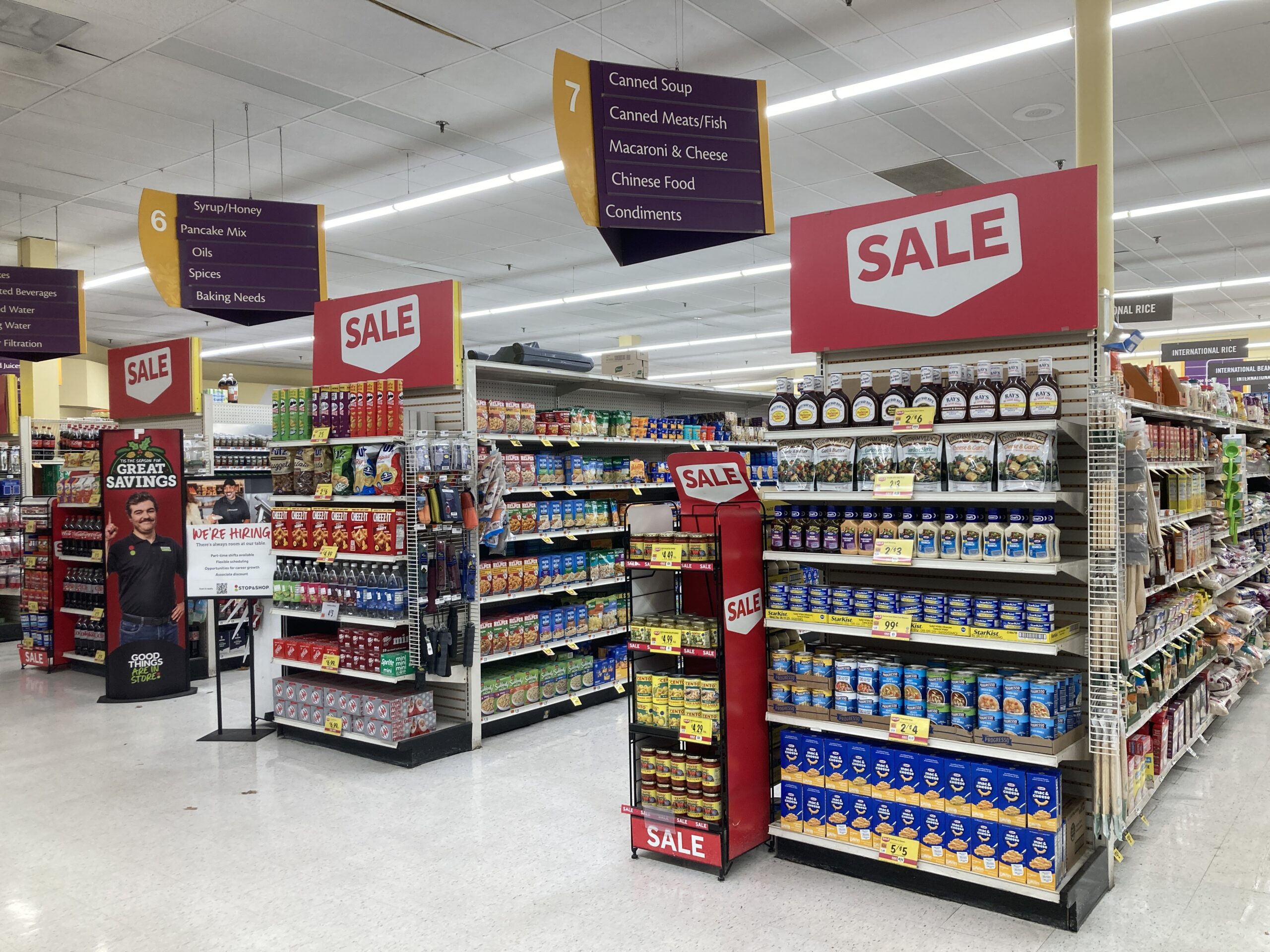
The halal food industry is experiencing transformation driven by evolving consumer behavior, digital innovation, and strategic industry developments. A notable trend is the mainstream integration of halal products into conventional grocery and retail channels, moving beyond specialized ethnic food sections to prominent placement in supermarkets, online platforms, and premium food markets.
Health-focused halal options are increasingly in demand as consumers seek to combine religious observance with health-conscious eating habits. Manufacturers are expanding their portfolios to include organic, gluten-free, vegan, and low-fat halal-certified products, creating cross-category innovations that attract health-conscious consumers.
Digital transformation in halal food retail is accelerating through e-commerce platforms, mobile applications, and AI-driven product recommendations that simplify the discovery, verification, and purchase of halal products. Sustainability has become a rising priority, with halal producers investing in environmentally friendly packaging and ethical sourcing practices to align with global sustainability objectives.
Recent Industry Developments
Several significant developments have shaped the market landscape:
- Crescent Foods launched a new hand-cut halal service program with American colleges and universities in July 2021
- Italy introduced deenary.com, the first online halal marketplace for European Muslims in 2020
- UAE-based Koita milk company expanded into Asian markets in 2020 following World Halal Authority certification
Key Research Findings
Research indicates that the growing global Muslim population and increasing awareness of halal-certified products among consumers of various faiths are primary drivers of market growth. The Meat, Poultry, and Seafood segment maintains its dominant position globally throughout the forecast period.
Geographically, the Middle East & Africa region demonstrated market leadership in 2022, achieving the highest revenue share of over 45%. The Asia Pacific region is positioned for remarkable growth, displaying a notable compound annual growth rate between 2025 and 2035.
Market Challenges
Despite promising prospects, the halal food market faces several critical obstacles. The absence of a unified global halal certification system creates confusion for producers and consumers, as guidelines vary significantly between countries and certifying bodies. This fragmentation complicates international trade and undermines confidence in certification authenticity.
Supply chain integrity presents considerable challenges in maintaining halal compliance throughout production and distribution processes. Minor contamination or mislabeling can result in product non-compliance. The shortage of trained personnel and halal auditors, particularly in emerging markets, exacerbates these issues. Additionally, high costs associated with halal certification and repeated inspections can burden small to mid-sized enterprises.
Market Opportunities
The halal food market presents substantial opportunities for growth, innovation, and diversification. Product diversification beyond meat and poultry into halal-certified dairy, snacks, beverages, baby food, and plant-based alternatives offers significant potential. Rising health awareness creates opportunities for developing nutritionally enriched and clean-label halal foods appealing to both practicing Muslims and health-conscious non-Muslims.
Technological advancements such as blockchain-based traceability systems offer exciting potential for real-time verification of halal status from production to consumption. Emerging markets in Africa, South Asia, and Southeast Asia present opportunities for investment, distribution networks, and localized production.
The fusion of halal certification with other consumer priorities—organic, non-GMO, fair-trade, and cruelty-free—opens new cross-promotional marketing strategies. Tourism and on-the-go halal meals represent underserved areas, particularly as more Muslims seek travel-friendly options with guaranteed halal compliance.
North American Market Analysis
In North America, the halal food market is experiencing notable expansion driven by demographic shifts, rising interfaith consumer interest, and evolving retail accessibility. The region has witnessed significant growth in its Muslim population, with over 5 million Muslims in the U.S. alone—a figure expected to double by 2035.
This demographic influence is particularly evident in urban centers such as New York, Toronto, Chicago, Houston, and Los Angeles. North America’s multicultural society and open-market economy provide fertile ground for halal innovation, allowing both domestic and foreign brands to flourish.
Retailers are adapting to this demand by expanding halal sections in mainstream supermarkets like Walmart and Costco, alongside specialty ethnic stores. Restaurant chains and foodservice providers are increasingly offering halal menus to attract broader clientele. Beyond Muslim consumers, growing numbers of health-conscious individuals are gravitating toward halal products due to their emphasis on cleanliness, animal welfare, and strict food safety protocols.
Government and private initiatives promoting diversity and inclusion are fostering a business environment where halal certification is becoming normalized. The growing presence of online halal food retailers, apps for locating halal options, and digital marketing campaigns is making it easier for consumers to access verified halal products.
Conclusion
The global halal food market stands at a pivotal juncture, combining traditional practices with rapidly evolving consumer preferences, global migration trends, and technological innovation. As demand increases not only among Muslim consumers but also among broader audiences who value ethical and hygienic food production, halal is rapidly transforming into a symbol of quality and trust.
While challenges such as certification inconsistencies and supply chain complexities require attention, the abundance of opportunities across product categories, geographical regions, and retail channels is substantial. Through strategic investment, consumer education, and collaborative standardization efforts, the halal food market is well-positioned to achieve sustainable, inclusive growth on a global scale.
Original Article:
Market Business Insights. (2025, July 9). Halal food market – Growth, trends, and forecast (2025–2032). https://www.marketbusinessinsights.com/halal-food-market