Revolutionary 25-Year Shelf-Life Halal Meals Launched by UAE Food Companies

Source: Halal Times
JAKARTA – The United Arab Emirates has achieved a remarkable milestone in food technology with the introduction of Halal-certified ready-to-eat meals that maintain quality and safety for an extraordinary 25 years. This groundbreaking innovation from UAE-based food companies represents a significant advancement in long-term food preservation while adhering to Islamic dietary laws, establishing the Emirates as a frontrunner in specialized food technology development.
Transforming Long-Term Food Storage Solutions
This innovative product line addresses numerous practical applications across various industries and scenarios. Emergency response organizations will benefit from reliable nutrition sources that require no special storage conditions. Defense contractors are showing keen interest in these extended-shelf-life rations for military applications. Disaster preparedness enthusiasts and survival specialists now have access to dependable food storage options that comply with Halal requirements. International relief organizations operating in challenging environments can rely on these meals for sustained humanitarian operations.
The technology even holds promise for future space exploration missions, where long-duration storage without degradation is essential. Dr. Amina Al-Mansoori, a leading food science researcher on the project, noted the unique achievement: “This innovation successfully bridges the gap between strict Islamic dietary compliance and advanced food preservation science, creating a product that serves both practical necessities and religious obligations.”
Advanced Preservation Methods
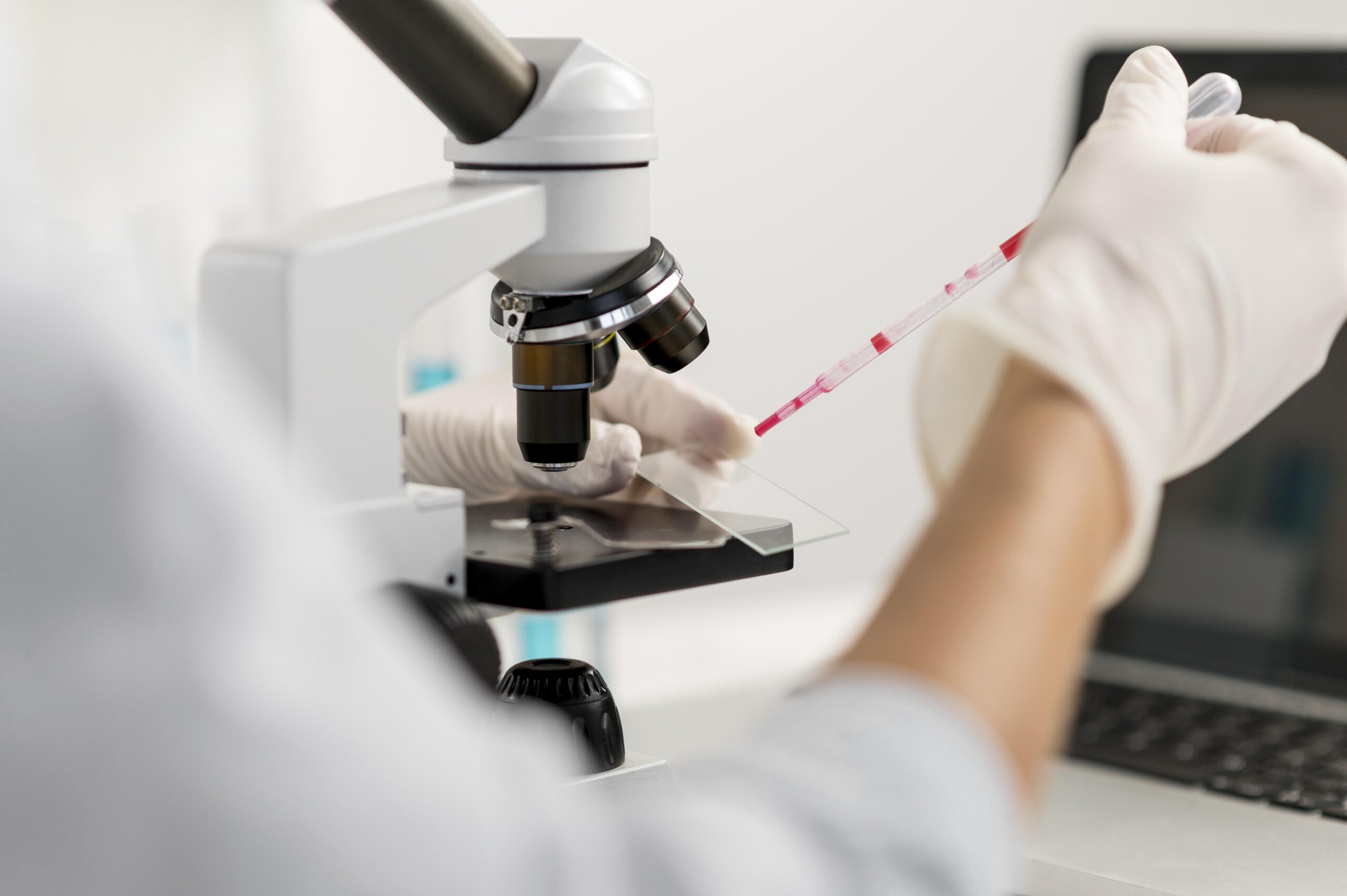
The remarkable 25-year shelf life is accomplished through an innovative multi-step preservation system. The process begins with specialized freeze-drying techniques that eliminate moisture while preserving essential nutrients. Advanced oxygen-removal packaging prevents the oxidation processes that typically lead to food deterioration. The formulation includes carefully selected Halal-compliant preservatives that maintain Islamic dietary standards without sacrificing product quality.
The final packaging involves sophisticated triple-layer barrier technology that effectively blocks light penetration and moisture infiltration, creating optimal conditions for extended storage. Comprehensive laboratory testing has demonstrated that these products maintain more than 90% of their original nutritional content even after twenty years of ambient temperature storage, setting new benchmarks for food preservation technology.
Commercial Opportunities and Market Applications
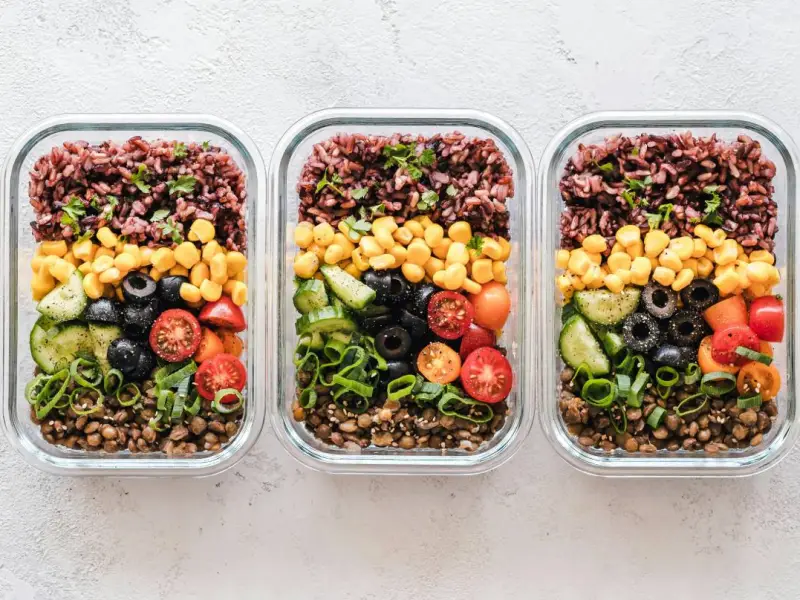
The innovation targets the substantial global Halal food market, which reached $2.3 trillion in valuation during 2024. The product range encompasses both traditional Middle Eastern cuisine, including lamb mandi and chicken majboos, as well as internationally popular dishes such as beef rendang and chicken tikka. Health-focused consumers can choose from specially formulated vegetarian options and high-protein alternatives designed to meet specific nutritional requirements.
Leading UAE food corporations are actively pursuing international partnerships and distribution agreements. Gulf Cooperation Council member states are evaluating these products for inclusion in military procurement contracts. United Nations humanitarian agencies are conducting assessments for potential integration into their relief supply chains. European retail chains are considering these meals for their emergency preparedness product lines, recognizing their appeal to diverse consumer demographics seeking reliable long-term food storage solutions.
Implementation Challenges and Solutions
Despite its revolutionary nature, the technology faces several implementation hurdles that require strategic approaches. Public education initiatives are essential to address consumer skepticism about the safety and quality of ultra-long-term preserved foods. The current higher production costs compared to conventional meal options present economic challenges, though industry experts anticipate cost reductions as manufacturing scales increase.
Regulatory compliance in international markets may require additional testing protocols and certification processes to meet varying food safety standards. Companies are working closely with regulatory bodies to streamline approval processes while maintaining the highest safety standards.
Next-Generation Development Plans
Research teams are already developing enhanced versions of this technology with expanded capabilities. Future iterations will feature personalized nutrition profiles tailored to specific dietary requirements and health conditions. Environmental sustainability concerns are being addressed through the development of biodegradable packaging alternatives that maintain the same protective qualities.
Allergen-free formulations are under development to accommodate consumers with various food sensitivities and dietary restrictions. These advances demonstrate the technology’s potential for continuous improvement and adaptation to evolving market needs.
Strategic Impact on Food Security
This UAE breakthrough carries significant implications beyond commercial success in the food industry. The technology substantially enhances food security capabilities in arid and challenging climate regions where conventional food preservation methods face limitations. It creates valuable export opportunities for Middle Eastern food manufacturers seeking to expand their presence in global markets.
The innovation reinforces the UAE’s position as a leading center for Halal food technology development, building upon the nation’s established reputation in the broader Islamic economy sector. This technological leadership aligns with the UAE’s strategic vision of becoming a global hub for innovative industries.
Future Market Outlook
As global demand continues growing for shelf-stable, ethically produced food products, these ultra-long-shelf-life Halal meals are positioned to evolve from specialized niche products to mainstream pantry essentials. The unique combination of religious compliance, maintained nutritional quality, and unprecedented preservation duration creates a product with broad international appeal.
This innovation may fundamentally change consumer and industry perspectives on food preservation capabilities and long-term food security planning. As the technology matures and costs decrease, these revolutionary meals could become standard components of emergency preparedness strategies, military logistics, humanitarian aid operations, and even routine household food storage.
The UAE’s achievement in developing this technology demonstrates how targeted innovation can address specific market needs while maintaining cultural and religious authenticity. This success story may inspire similar technological developments across other sectors of the Islamic economy, further establishing the region’s reputation for combining traditional values with cutting-edge innovation.
Original article:
halaltimes.com. (n.d.). UAE Companies Unveil Halal Meals That Last 25 Years. Retrieved July 25, 2025, from https://www.halaltimes.com/uae-companies-unveil-halal-meals-that-last-25-years/