Malaysia Maintains Firm Stance on Halal Certification in US Trade Negotiations

Source: Halal Times
JAKARTA – Malaysia’s Minister of Investment, Trade, and Industry, Tengku Zafrul Abdul Aziz, has taken an uncompromising position regarding the country’s Halal certification standards during trade negotiations with the United States. Speaking from Kuala Lumpur, the minister emphasized that Malaysia’s Islamic dietary and product standards remain absolutely non-negotiable, regardless of potential economic benefits from enhanced US trade relations.
Malaysia’s Strategic Position in Global Halal Markets
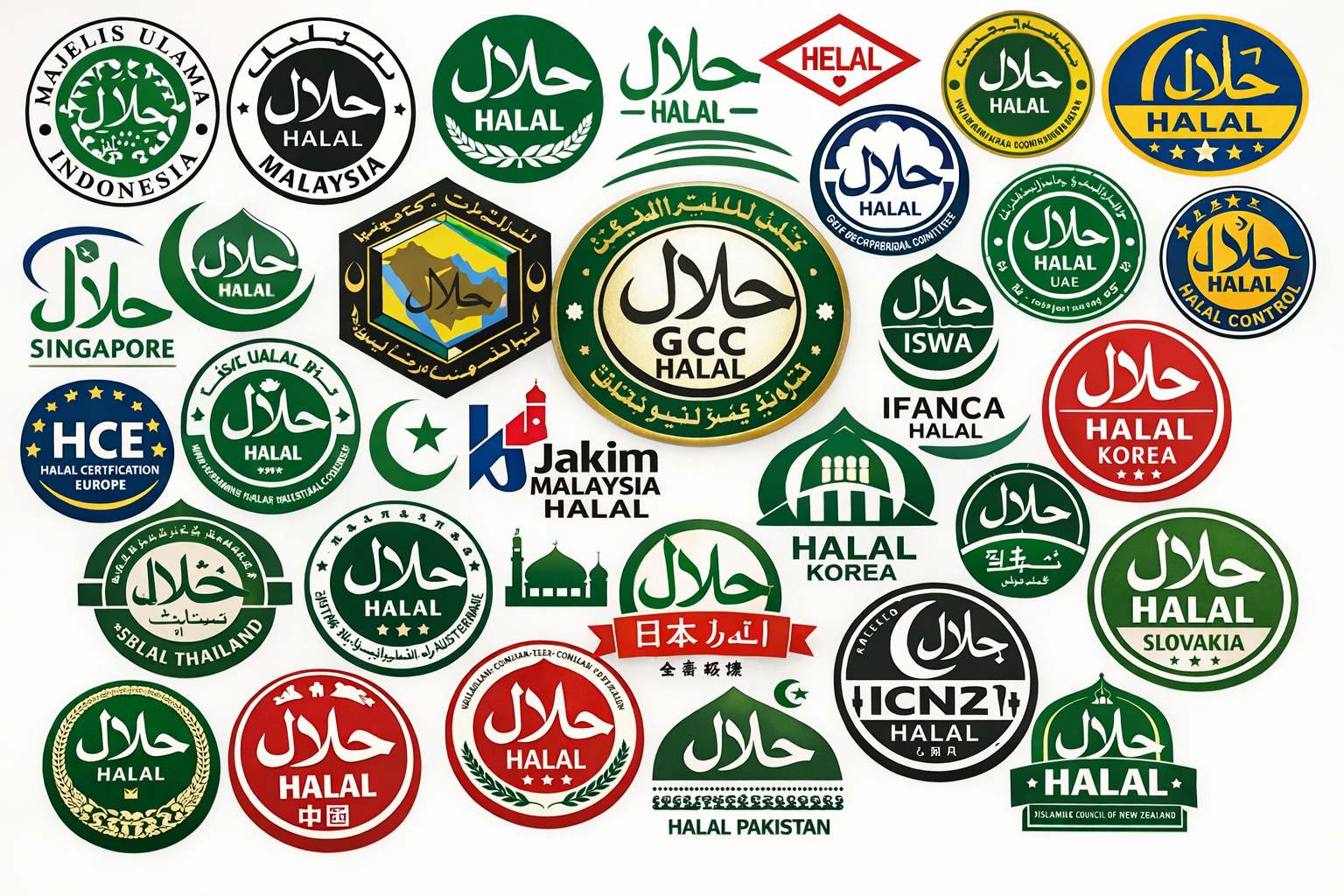
As a recognized international authority in Halal certification, Malaysia operates under the regulatory oversight of JAKIM (Department of Islamic Development Malaysia), which has established the nation as a global benchmark for Islamic-compliant products. The country’s Halal sector represents a substantial economic pillar, contributing more than RM40 billion (approximately $8.5 billion) annually to the national economy.
Malaysia’s certification system extends across diverse industries including food production, pharmaceuticals, cosmetics, and logistics services. This comprehensive approach has positioned the nation as the preferred certification authority for businesses seeking to access Muslim consumer markets worldwide.
The minister’s firm stance reflects Malaysia’s understanding that compromising on Halal standards would fundamentally undermine decades of reputation building and consumer confidence. “Our Halal certification represents more than regulatory compliance—it embodies our commitment to Islamic principles and quality assurance,” Tengku Zafrul stated during recent discussions with the media.
Contrasting Certification Approaches Create Negotiation Complexity
The fundamental challenge in US-Malaysia trade discussions stems from markedly different approaches to Halal certification. Malaysia operates a centralized, government-controlled system that ensures consistent standards and rigorous compliance with Islamic requirements across all certified products and services.
The United States, conversely, lacks a unified federal Halal certification authority, instead relying on various private certification bodies. This decentralized approach has resulted in inconsistent standards and occasional disputes over certification legitimacy, creating uncertainty for both producers and consumers.
This structural difference presents several specific challenges for trade negotiators. Malaysian officials are concerned that without formal US recognition of JAKIM’s authority, Malaysian Halal-certified products may face unnecessary regulatory scrutiny or potential market access barriers in American markets.
Economic Stakes and Bilateral Trade Dynamics
The economic relationship between Malaysia and the United States represents significant value for both nations, with bilateral trade reaching $78.2 billion in 2023. This substantial trade volume underscores the importance of resolving certification recognition issues to unlock further economic potential.
American businesses stand to gain considerable access to the rapidly expanding global Halal market, which industry analysts project will exceed $5 trillion by 2030. This market opportunity is particularly attractive for US food and beverage manufacturers seeking expansion into Muslim-majority regions where Malaysian Halal certification carries significant consumer credibility.
For Malaysia, a successful agreement could substantially increase exports of Halal-certified food products, cosmetics, and pharmaceuticals to American markets. The growing Muslim population in the United States, combined with increasing non-Muslim consumer interest in Halal products due to perceived quality and ethical production standards, represents a valuable market opportunity.
Technical and Regulatory Harmonization Challenges
Beyond recognition issues, the negotiations face practical challenges related to standard harmonization. American exporters seeking to meet Malaysian Halal requirements may need to implement significant production process modifications, potentially increasing operational costs and supply chain complexity.
Intellectual property considerations also present potential complications, particularly regarding the authorized use of Halal certification marks and trademarks. Without clear mutual recognition frameworks, legal disputes over certification symbols could create barriers to smooth trade implementation.
Industry analysts suggest that successful negotiations may require the United States to develop more structured federal guidelines for Halal compliance or establish formal cooperation protocols with JAKIM to create mutually recognized certification processes.
Broader Implications for Islamic Trade Principles
Malaysia’s unwavering position in these negotiations extends beyond bilateral economic interests to encompass broader principles of Islamic commercial law and cultural identity. The country’s leadership recognizes that maintaining strict Halal standards is essential not only for economic reasons but also for preserving Malaysia’s role as a global Islamic authority.
The Halal industry’s expansion into sectors beyond food production—including Islamic banking, Muslim-friendly tourism, and Halal pharmaceuticals—demonstrates the growing economic significance of Shariah-compliant commerce. Malaysia’s position in these negotiations reflects its strategic vision of remaining at the forefront of this expanding economic sector.
Furthermore, the outcome of these discussions could establish important precedents for how Islamic trade principles are integrated into international commercial agreements. Other Muslim-majority nations are closely monitoring these negotiations as potential models for their own trade relationships with Western economies.
Consumer Trust and Market Integrity Considerations
Tengku Zafrul’s emphasis on maintaining certification integrity reflects deep understanding of consumer psychology within Halal markets. Muslim consumers worldwide have developed strong trust in Malaysian Halal certification, viewing it as a reliable guarantee of compliance with Islamic dietary and lifestyle requirements.
Any perceived weakening of these standards could have cascading effects beyond Malaysia’s borders, potentially undermining consumer confidence in Halal certification systems globally. This concern extends to non-Muslim consumers who increasingly associate Halal certification with higher hygiene standards and ethical production practices.
The minister’s statement that “we welcome trade, but not at the expense of our Halal integrity” encapsulates Malaysia’s strategic approach of balancing economic opportunities with fundamental principles that define the nation’s commercial identity.
Future Negotiation Pathways and Industry Expectations
As negotiations continue in the coming months, industry stakeholders across multiple sectors are monitoring developments closely, recognizing that decisions made in these talks could significantly influence global Halal trade dynamics for years to come.
Malaysia’s negotiating position includes several key demands: comprehensive US recognition of JAKIM’s certification authority, clear compliance guidelines for American exporters seeking Malaysian market access, and robust anti-fraud mechanisms to prevent unauthorized use of Halal certification marks.
The resolution of these negotiations will likely require innovative approaches to regulatory cooperation, potentially including mutual recognition agreements, standardized certification protocols, or new trade frameworks specifically designed to accommodate Islamic commercial principles within international trade law.
Setting Precedents for Global Islamic Commerce
The US-Malaysia trade discussions represent more than bilateral economic negotiations—they constitute a significant test case for how Islamic commercial principles can be effectively integrated into modern international trade agreements. The precedents established through these talks may influence how other nations approach similar negotiations involving Halal standards and Islamic commercial law.
Success in these negotiations could pave the way for more inclusive international trade frameworks that respect diverse religious and cultural commercial practices while facilitating global economic integration. Conversely, failure to reach agreement could signal broader challenges in reconciling traditional Islamic commercial principles with contemporary international trade practices.
As global markets become increasingly interconnected, the ability to successfully navigate such negotiations will become crucial for nations seeking to balance cultural authenticity with economic modernization. Malaysia’s firm stance in these discussions demonstrates that economic development need not require abandonment of fundamental cultural and religious principles.
Original article:
halaltimes.com. (n.d.). Tengku Zafrul Says Halal Standards Are Non-Negotiable in US Trade Talks. Retrieved July 25, 2025, from https://www.halaltimes.com/tengku-zafrul-says-halal-standards-are-non-negotiable-in-us-trade-talks/