Indonesian Universities Emerge as Key Partners in National Halal Certification Strategy
JAKARTA – Indonesia’s ambitious halal certification program is entering a new phase of development as the nation’s leading universities become integral partners in building comprehensive halal assurance infrastructure. The Halal Product Assurance Organizing Agency (BPJPH) has launched an innovative campus outreach initiative that positions higher education institutions as crucial stakeholders in the country’s halal ecosystem development.
This strategic collaboration represents a significant evolution in Indonesia’s approach to halal certification, moving beyond traditional regulatory enforcement to embrace academic expertise and institutional resources as drivers of industry growth and professional development.
Pioneering Campus Engagement Initiative
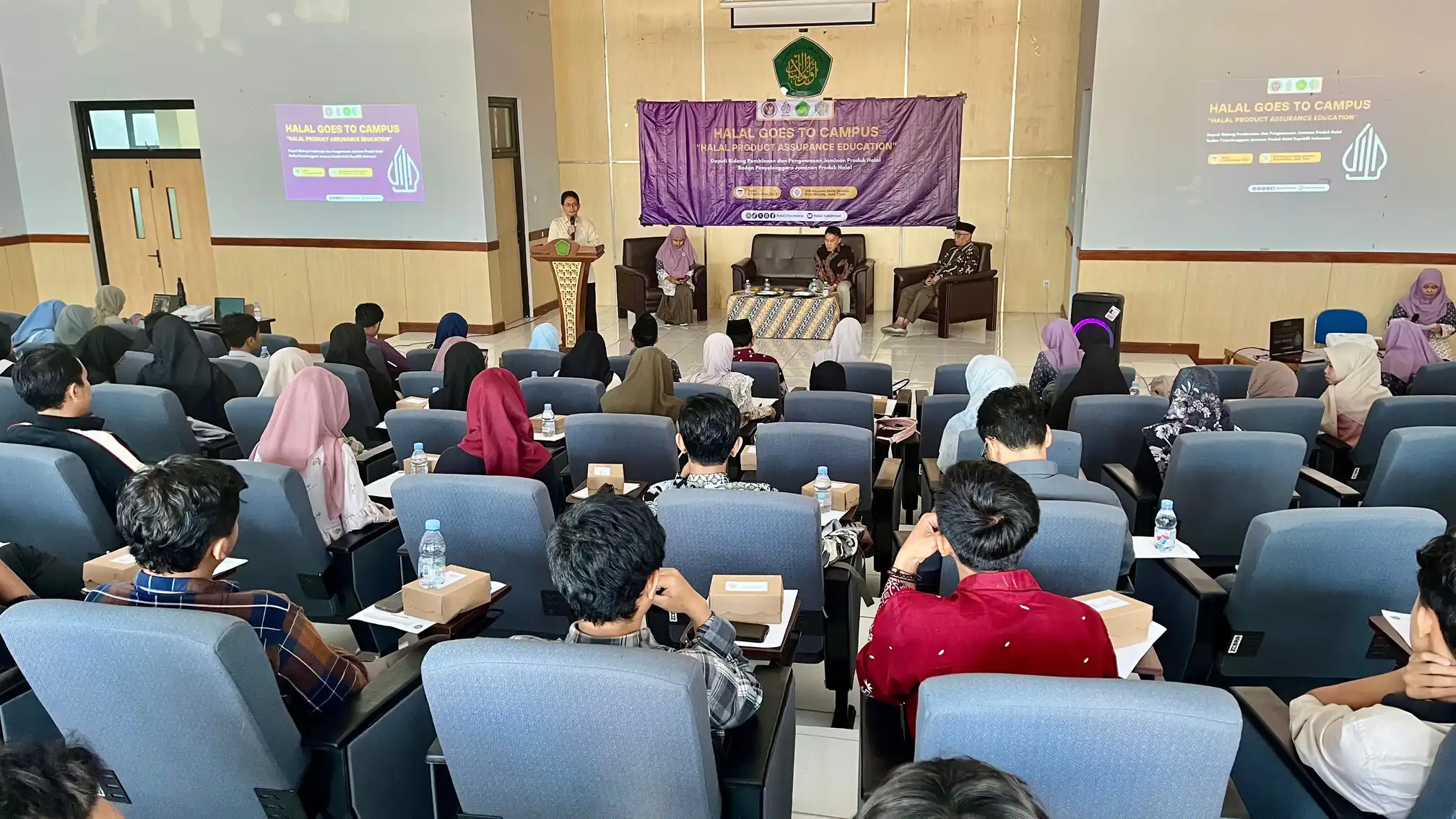
The groundbreaking “Halal Goes to Campus” program recently launched at two prestigious East Java institutions: Universitas Brawijaya Malang and Universitas Islam Negeri (UIN) Malang. This inaugural initiative brought together hundreds of students from diverse academic disciplines, demonstrating the cross-sectoral nature of halal industry opportunities.
The program’s comprehensive curriculum addressed fundamental regulatory frameworks, mandatory certification requirements, and emerging opportunities for student participation in Indonesia’s expanding halal sector. By targeting university students, BPJPH recognizes the critical importance of developing halal expertise at the foundational level of professional education.
Strategic Vision for Academic Integration
BPJPH Director Ahmad Haikal Hasan articulated the agency’s multifaceted objectives for university partnerships, emphasizing that campus engagement serves multiple strategic purposes. “This initiative fulfills our mandate under Law No. 33 of 2014 regarding Halal Product Assurance while creating direct pathways for government support to reach micro and small enterprises through academic channels,” Hasan explained.
The program design reflects sophisticated understanding of how academic institutions can amplify government outreach efforts, particularly in reaching small business communities that might otherwise lack access to professional halal certification guidance and resources.
University Resources as Halal Infrastructure
The collaboration framework recognizes universities’ unique capacity to contribute substantively to Indonesia’s halal certification infrastructure through their existing academic and research capabilities. Universities possess the institutional framework, technical expertise, and human resources necessary to support comprehensive halal ecosystem development.
Key areas where universities can contribute include establishing Halal Inspection Bodies (LPH) within their institutional structure, developing Halal Product Process Assistance Organizations (LP3H) to support local businesses, and creating specialized academic programs that produce qualified halal industry professionals.
Professional Development and Career Opportunities
The campus outreach emphasizes the emerging career landscape within Indonesia’s halal sector, highlighting diverse professional opportunities that align with various academic backgrounds and interests. The program showcases specific career tracks including halal supervision specialists who oversee production compliance, halal auditors who conduct facility inspections and certification assessments, and Halal Product Process Assistants (P3H) who guide businesses through certification procedures.
Additionally, universities can develop programs for halal slaughter specialists, ensuring proper religious compliance in meat processing, and comprehensive halal experts who can address complex certification challenges across multiple industries.
Market Growth Driving Professional Demand
The timing of this academic partnership reflects the explosive growth in global halal markets, which create unprecedented demand for qualified professionals across all sectors of the halal economy. Current market projections indicate continued expansion of halal commerce, driven by growing Muslim populations, increasing mainstream acceptance of halal standards, and expanding international trade in halal-certified products.
This market growth translates directly into career opportunities for graduates with halal expertise, making university programs increasingly attractive to students seeking stable, well-compensated professional paths in a rapidly expanding industry.
Expert Perspectives on Career Prospects
Dr. Sucipto, Expert Council member of Universitas Brawijaya’s Halal Inspection Body, provided compelling insights into the professional landscape for halal specialists. “Halal industry careers represent prestigious professional opportunities with significant growth potential,” he noted. “The current shortage of qualified professionals creates exceptional opportunities for graduates who invest in developing halal expertise during their university studies.”
This expert assessment reflects broader industry recognition that halal certification has evolved from niche religious compliance into sophisticated professional specialization requiring advanced technical knowledge and practical experience.
Institutional Capacity Building
The university partnership model creates sustainable capacity building that extends far beyond individual training programs. By establishing halal expertise within academic institutions, BPJPH ensures long-term continuity and continuous improvement in halal professional development.
Universities can integrate halal principles into existing curriculum across multiple disciplines, from food science and engineering to business administration and religious studies. This integration approach ensures that halal awareness becomes embedded in professional education rather than remaining a specialized add-on.
Supporting Micro and Small Enterprise Development
The campus outreach program specifically emphasizes universities’ potential role in supporting Indonesia’s vast micro and small enterprise sector, which forms the backbone of the national economy but often lacks access to professional certification guidance.
University-based support programs can provide accessible, culturally appropriate assistance to local businesses seeking halal certification. This grassroots approach ensures that certification benefits reach communities that might otherwise be excluded from formal business development programs.
Research and Development Opportunities
Beyond professional training and business support, universities offer substantial research capabilities that can advance halal science and technology development. Academic research programs can address complex technical challenges in halal certification, develop innovative processing methods that maintain compliance, and create technological solutions that improve certification efficiency.
This research dimension positions Indonesian universities as contributors to global halal knowledge development, potentially creating intellectual property and consulting opportunities that generate revenue while advancing industry standards.
Regional Impact and Scalability
The East Java launch represents a pilot program with significant scalability potential across Indonesia’s extensive higher education system. The lessons learned from Universitas Brawijaya and UIN Malang can inform similar programs at universities throughout the archipelago, creating a national network of halal-competent academic institutions.
This regional approach ensures that halal expertise development reaches communities across Indonesia’s diverse geographic and economic landscape, rather than concentrating in major urban centers where businesses may already have better access to professional services.
International Competitiveness
The university partnership strategy also serves Indonesia’s broader objectives of establishing global leadership in halal industry development. By creating world-class halal education programs, Indonesian universities can attract international students while positioning the country as the preferred destination for halal expertise development.
This international dimension creates opportunities for educational exports, consulting services, and technology transfer that can generate foreign exchange while spreading Indonesian halal standards globally.
Integration with National Development Goals
The campus outreach initiative aligns with Indonesia’s broader economic development strategies that emphasize human capital development, small business empowerment, and export-oriented industry growth. By leveraging existing educational infrastructure for halal sector development, the program maximizes efficiency while creating synergies between educational policy and economic development objectives.
Long-term Strategic Implications
This university partnership model represents a fundamental shift toward sustainable, institutionally-embedded halal sector development rather than relying solely on government agency resources. By creating halal expertise within the academic system, Indonesia ensures that halal knowledge and capabilities become permanently integrated into the nation’s intellectual infrastructure.
The long-term implications extend beyond certification compliance to encompass innovation, research, international competitiveness, and professional excellence that can sustain Indonesia’s halal industry leadership for generations.
Conclusion: Academic Excellence Driving Industry Leadership
Indonesia’s innovative approach to university-based halal sector development demonstrates sophisticated understanding of how academic resources can be mobilized to support national economic objectives. By positioning universities as key partners rather than passive recipients of government programs, BPJPH has created a collaborative model that leverages existing institutional strengths while addressing critical industry needs.
This strategic vision ensures that Indonesia’s halal certification program evolves beyond regulatory compliance toward comprehensive industry ecosystem development that can sustain long-term growth and international competitiveness. As universities embrace their role in halal sector development, they contribute to a future where Indonesian halal expertise becomes a globally recognized standard of excellence.
Original Article:
Antara News. (2025, September 5). Gelar Halal Goes to Campus, BPJPH Gandeng Perguruan Tinggi Perkuat Penyelenggaraan JPH. Retrieved from https://bpjph.halal.go.id/detail/gelar-halal-goes-to-campus-bpjph-gandeng-perguruan-tinggi-perkuat-penyelenggaraan-jph