Ghana Charts New Course with Halal Tourism Development
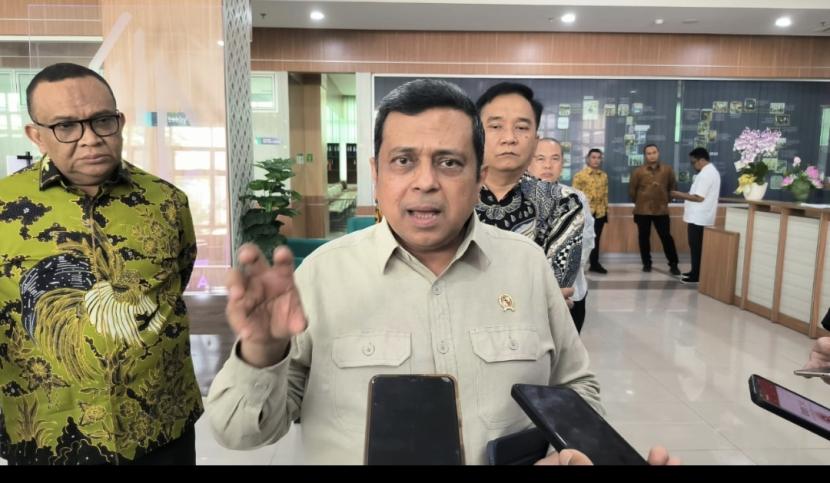
JAKARTA – Ghana is positioning itself as a pioneer in West Africa’s halal tourism sector, with significant governmental backing from Hon. Yussif Issaka Jajah, the Deputy Minister overseeing Tourism, Culture, and Creative Arts. During a recent conference in the capital city, the Deputy Minister articulated his vision for Islamic-compliant hospitality services that would serve both religious and economic objectives.
The Deputy Minister’s endorsement represents more than ceremonial support—it signals a comprehensive strategy to capture emerging market opportunities. Jajah emphasized that halal-certified establishments would appeal not only to Muslim visitors but also to travelers who prioritize excellence in hygiene, security, and ethical business practices. He urged the Bureau of Halal Certification Ghana (BHCG) to collaborate with accommodation providers and food service establishments to implement halal-friendly operations ahead of complete certification infrastructure deployment.
This governmental stance demonstrates Ghana’s awareness of halal tourism’s potential as one of the travel industry’s most rapidly expanding niches.
Establishing Certification Infrastructure
The Bureau of Halal Certification Ghana, launched in 2023 under presidential oversight, is developing comprehensive standards for halal verification. The organization’s mandate extends beyond hospitality and food services to encompass pharmaceuticals, beauty products, health services, and entertainment media. This broad-spectrum approach positions Ghana to become West Africa’s halal economy hub.
Ghana has forged strategic alliances with Malaysian institutions, particularly the Halal Development Corporation and JAKIM, Malaysia’s premier halal certification body. Malaysia’s internationally acclaimed expertise will inform Ghana’s certification procedures, educational initiatives, and technical assistance programs.
Economic Rationale for Halal Tourism
Deputy Minister Jajah framed halal tourism as fundamentally an economic development strategy rather than merely a cultural accommodation. The worldwide halal travel market represents billions in revenue, with Muslim tourists constituting one of the travel industry’s fastest-growing demographics. By establishing itself as a halal-welcoming destination, Ghana can capture significant portions of this market segment.
Additionally, halal certification standards typically emphasize superior quality, operational transparency, and ethical business conduct—attributes that resonate with non-Muslim travelers as well. Establishments pursuing halal certification may discover expanded customer bases while elevating their overall service standards.
Ghana’s Competitive Advantages
Multiple factors position Ghana favorably for halal tourism development:
Historical and Cultural Assets: The nation boasts significant historical sites, colonial-era structures, fortifications, and dynamic cultural celebrations that attract domestic and international visitors alike.
Political Support: Strong endorsement from the Deputy Minister and additional government entities provides solid institutional foundation for the halal initiative.
International Collaboration: Partnership with Malaysia, a recognized global leader in halal tourism, enhances Ghana’s legitimacy and technical capabilities.
Regional First-Mover Advantage: With limited formal halal tourism frameworks across West Africa, Ghana can establish itself as the regional trailblazer.
Deputy Minister’s Profile
Hon. Yussif Issaka Jajah represents the Ayawaso North Constituency in Parliament while serving as Deputy Minister of Tourism, Culture, and Creative Arts. His professional background spans finance and international commerce, including an MBA in International Oil and Gas Management and undergraduate studies in Accounting.
Throughout his tenure, Jajah has advocated for modernizing Ghana’s tourism sector to enhance global competitiveness. His halal tourism advocacy reflects broader objectives of inclusivity, economic expansion, and establishing Ghana as a universally welcoming destination.
Implementation Framework
Ghana’s halal tourism development will proceed through several phases:
- Immediate introduction of halal-compatible practices in hospitality and dining establishments prior to formal certification completion
- Gradual certification expansion across hospitality, food services, wellness, and additional sectors
- Educational programs to inform businesses and communities about halal requirements
- International investment partnerships to enhance infrastructure and promotional activities
These measures will build Muslim traveler confidence while strengthening Ghana’s overall tourism brand.
Broader Economic Impact
Halal tourism’s influence extends beyond hospitality services. Certification across wellness, cosmetics, and pharmaceutical sectors can create new export possibilities, raise industry standards, and build consumer confidence. This aligns with government objectives to diversify the national economy and develop industries meeting international ethical and quality standards.
Conclusion
Deputy Minister Yussif Issaka Jajah’s halal tourism endorsement represents a pivotal moment for Ghana’s tourism industry. It embodies a progressive, inclusive approach where commercial opportunities and cultural awareness complement each other. Through adopting halal principles and constructing robust certification systems, Ghana can establish itself as West Africa’s premier halal-friendly destination.
This initiative transcends accommodation of Muslim travelers—it represents elevated standards, expanded market access, and Ghana’s commitment to remaining a dynamic, inclusive, and competitive tourism destination on the global stage.
Original Article:
Halal Times. (2025, September 7). Deputy Minister Yussif Issaka Jajah Supports Development of Halal Tourism in Ghana. Retrieved from https://www.halaltimes.com/deputy-minister-yussif-issaka-jajah-supports-development-of-halal-tourism-in-ghana/