Can Muslims Pray While Wearing Alcohol-Based Perfume?
“If alcohol is forbidden in Islam, why do many Muslims still wear alcohol-based perfume even while praying?”
This is one of the most common questions asked by both Muslims and non-Muslims. At first glance, it seems contradictory. If alcohol is prohibited, shouldn’t perfume containing alcohol also be forbidden?
The answer is more nuanced than a simple “yes” or “no.” Islamic scholars distinguish between intoxicating alcoholic beverages (khamr) and alcohol used as an ingredient in products such as perfumes, medicines, disinfectants, and cosmetics. Understanding this distinction helps explain why many contemporary scholars consider alcohol-based perfume permissible for prayer.
What Does the Qur’an Actually Prohibit?
The primary Qur’anic verse concerning alcohol states:
“O you who believe! Indeed, intoxicants, gambling, stone altars, and divining arrows are but defilement from the work of Satan, so avoid them that you may be successful.” (Al-Ma’idah, 5:90)
The Arabic word used here is khamr, which refers to intoxicating drinks that cloud the mind. The verse addresses the consumption of intoxicants, not every chemical substance known today as “alcohol.”
This distinction is important because modern chemistry classifies many compounds as alcohols, while Islamic legal discussions focus on whether a substance is intoxicating, how it is produced, and how it is used.
Why Do Perfumes Contain Alcohol?
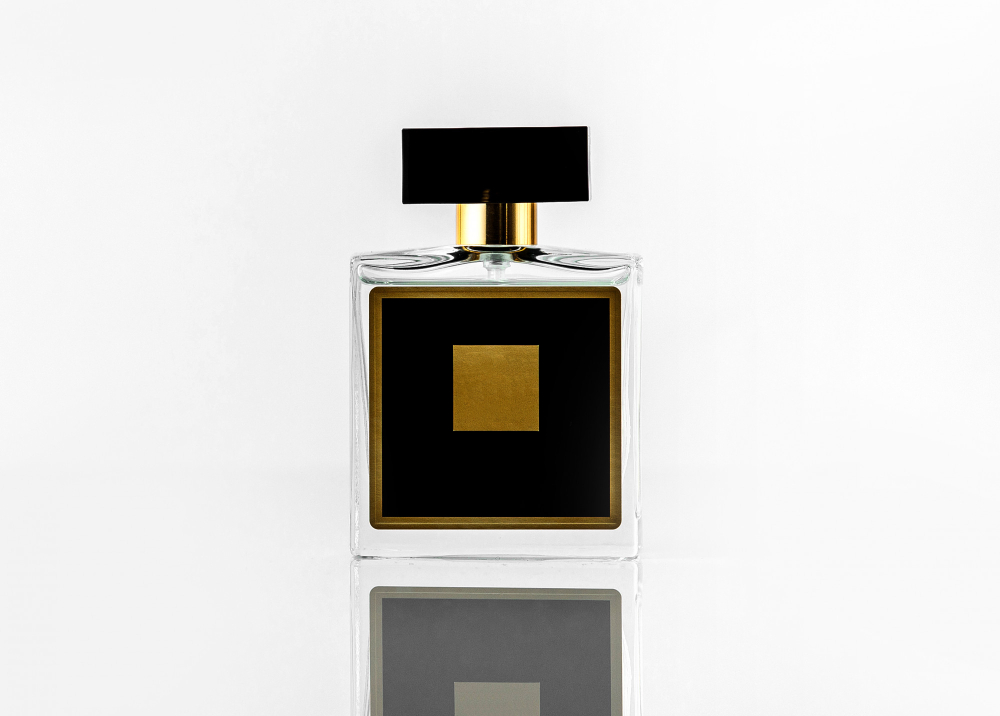
Most modern perfumes contain ethanol, often listed as:
- Ethanol
- Alcohol Denat.
- SD Alcohol
- Perfumer’s Alcohol
Its purpose is not to intoxicate people. Instead, ethanol serves as a solvent that dissolves fragrance oils, helps distribute the scent evenly on the skin, and evaporates quickly so the fragrance develops properly.
From a scientific perspective, alcohol is simply an ingredient that enables the perfume to function effectively. It is not included as a beverage or for recreational use. Recent halal science literature also notes that ethanol used in perfumes serves a technical function rather than an intoxicating one.
Does Alcohol-Based Perfume Make Prayer Invalid?
This is where Islamic jurisprudence (fiqh) presents different scholarly opinions. Some classical scholars, particularly within parts of the Shafi’i school, regarded alcohol originating from khamr as ritually impure (najis). Based on this view, they exercised caution regarding products containing such alcohol.
However, many contemporary scholars differentiate between alcohol intended for intoxication and alcohol manufactured for industrial, pharmaceutical, or cosmetic purposes. They argue that alcohol used externally in perfume is not considered khamr and therefore does not invalidate prayer.
Because of these contemporary developments in chemistry and manufacturing, many Islamic fatwa institutions today permit Muslims to wear alcohol-based perfume while praying, provided the product does not contain other prohibited ingredients. This position is also reflected in guidance issued by Indonesian religious authorities such as the Indonesian Ulema Council (MUI) and the Ministry of Religious Affairs.
Is There a Maximum Percentage of Alcohol Allowed?
Many people assume Islam sets a maximum percentage, perhaps 10%, 30%, or 70% alcohol. In reality, Islamic law does not specify a numerical alcohol limit for perfumes.
Instead, scholars generally examine questions such as:
- What is the source of the alcohol?
- Is it derived from an intoxicating beverage (khamr) or produced synthetically or industrially?
- Is the product intended for drinking or external use?
- Can it intoxicate when used as intended?
For this reason, a perfume containing 80–90% ethanol may still be considered permissible for external use, while a beverage containing only a small percentage of alcohol may still be prohibited because it is consumed as an intoxicating drink. The ruling depends on the nature and purpose of the substance, not merely its percentage.
Didn’t the Prophet Muhammad Love Perfume?
Yes. In fact, pleasant fragrance holds an honored place in the Sunnah.
The Prophet Muhammad shallallahu ‘alaihi wa sallam said:
“Women and perfume have been made dear to me from your worldly life, and the coolness of my eyes has been placed in prayer.” (Narrated by An-Nasa’i)
In another authentic narration, the Prophet shallallahu ‘alaihi wa sallam never refused a gift of perfume (Sahih al-Bukhari).
These narrations demonstrate that Islam encourages cleanliness, good personal hygiene, and pleasant fragrance. Therefore, the discussion surrounding alcohol-based perfume is not about whether perfume itself is encouraged, but rather about the legal status of one particular ingredient used in modern perfume manufacturing.
So, Can Muslims Pray While Wearing Alcohol-Based Perfume?
For many Muslims around the world, the answer is yes.
Many contemporary scholars and fatwa councils conclude that alcohol-based perfumes used externally do not invalidate prayer because the alcohol they contain is not regarded as khamr and is not used as an intoxicant.
At the same time, it is important to recognize that some scholars continue to adopt a more cautious opinion, particularly regarding alcohol derived directly from intoxicating beverages. Respecting these scholarly differences is part of the rich tradition of Islamic jurisprudence.
Conclusion
The question of alcohol-based perfume illustrates an important principle in Islam: legal rulings are based not only on the name of an ingredient but also on its source, purpose, and manner of use.
While alcohol is commonly associated with intoxicating drinks, the alcohol found in modern perfumes serves an entirely different function. For this reason, many contemporary Islamic scholars consider wearing alcohol-based perfume permissible even during prayer.
Understanding these distinctions helps prevent misconceptions and highlights how Islamic scholarship continues to engage thoughtfully with modern scientific developments while remaining rooted in the Qur’an and the Sunnah.
– Written by Naflah –
References
Kementerian Agama Republik Indonesia. (2023). Apakah boleh memakai parfum beralkohol untuk shalat?. https://kemenag.go.id/tanya-jawab-fiqih/apakah-boleh-memakai-parfum-beralkohol-untuk-shalat-33BIb
LPPOM Majelis Ulama Indonesia. (2024). Bolehkah memakai parfum beralkohol ketika shalat?. https://halalmui.org/bolehkah-memakai-parfum-beralkohol-ketika-shalat/
Putri, T. A. (2022). The perspective of ethanol as a lawful component in alcohol-based perfumes through fiqh and science point of view. Journal of Halal Product and Research, 5(1), 38–42. https://doi.org/10.20473/jhpr.vol.5-issue.1.38-42.
Widda, W., Wawan, G., & Ginan, W. (2024). Review of Sharia Economic Law on the Buying and Selling of Alcoholic Perfume. Journal Presumption of Law, 6(1), 108–124. https://doi.org/10.31949/jpl.v6i1.8595.