The Islamic Perspective on Selling Pig Manure: Between Benefit and Caution
Source: Wiki Farmer
Kawaguchiko, Japan – Humans cannot be separated from three fundamental needs: clothing, food, and shelter. Without one of these three elements, human life cannot function properly. In terms of food, consumption plays a fundamental role in human survival. As a Muslim, the process of reaching the consumption stage requires harmony between input and output in accordance with Islamic law.
The “output” refers to consumption activities that bring blessings and happiness, while the “input” refers to all food and drink that enter the human body—whether they are healthy or harmful, how they are obtained, and whether their production process meets halal standards.
The Use of Pig Manure in Agriculture
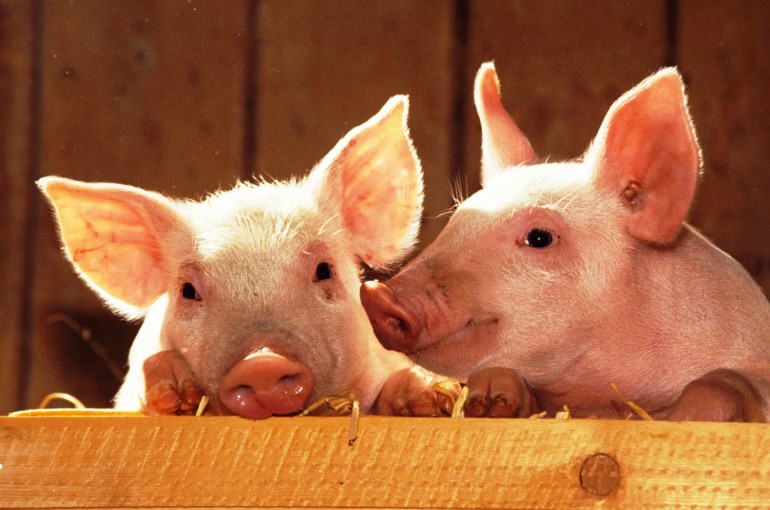
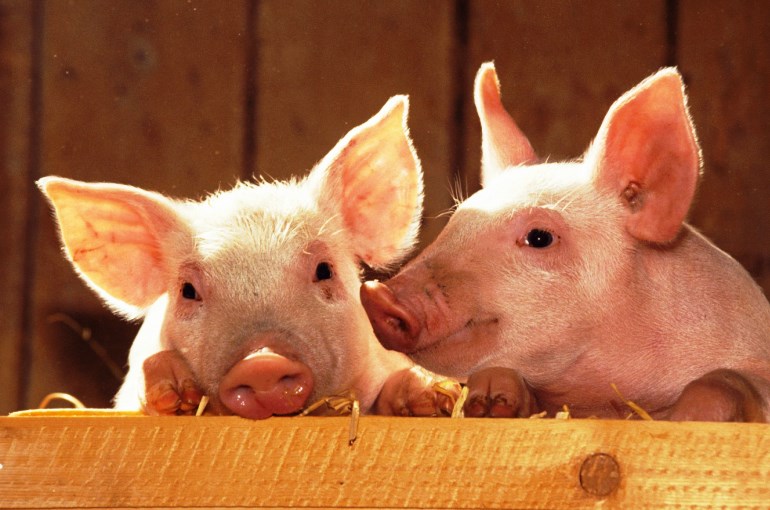
In agriculture, the use of manure is common for fertilizing plants. In addition to manure from cows, goats, and chickens, there is also manure derived from pigs. This raises debates among Muslims regarding the halal status of crops grown using such fertilizers, considering that the permissibility of a product is not only determined by its final state but also by the entire production process.
Regarding the use of pig manure, Imam Nawawi in Al-Majmu’ states:
“يجوز تسميدُ الأرض بالزَّبل النجس … قال إمام الحرمين: ولم يمنع منه أحد ، وفى كلام الصيدلاني ما يقتضي خلافاً فيه ، والصواب : القطع بجوازه مع الكراهة”
“It is permissible to fertilize land with impure manure… Imam al-Haramayn said: No one has prohibited it. However, in the words of al-Saydalani, there are indications of differing opinions. The correct view is to affirm that it is permissible, although disliked (makruh).”
Thus, using pig manure in agriculture is allowed but is classified as makruh (undesirable) and should be avoided if possible.
The Debate on the Legality of Buying and Selling Pig Manure
Although its use is allowed with makruh status, the trade of pig manure remains a controversial issue. The question is whether its trade follows the same ruling as its usage or differs entirely.
Essentially, the sale of manure is permitted if it comes from animals that are lawful (halal) for consumption, such as chickens, buffaloes, cows, and camels. As-Sarakhsi in Al-Mabsut (24/27) states:
“وكذلك بيع السرقين جائز وإن كان تناوله حراما والسرقين محرم العين ومع ذلك كان بيعه جائزا”
“The sale of manure (najis) is permissible, even though consuming it is forbidden and its substance is impure; nonetheless, its sale is allowed.”
However, concerning the sale of impure manure from pigs, most scholars prohibit this practice because pig manure is classified as najis (impure) and originates from an inherently impure animal, making its commercial transaction impermissible in Islamic law. This prohibition is based on the principle that items derived from impure sources should not be traded or profited from, as they do not align with the ethical and legal standards of Islamic commerce. Imam Nawawi, in Al-Majmu’ (4/448), elaborates on this ruling:
“قد ذكرنا أن مذهبنا الصحيح جواز الانتفاع بالدهن المتنجس وشحم الميتة في الاستصباح ودهن السفن ويجوز أن يتخذ من هذا الدهن الصابون فيستعمله ولا يبيعه وله اطعام العسل المتنجس للنحل والميتة للكلاب والطيور الصائدة وغيرها واطعام الطعام المتنجس للدواب هذا مذهبنا وبه قال عطاء ومحمد بن جرير”
“As mentioned earlier, the correct opinion in our (Shafi’i) school is that it is permissible to benefit from impure oil and the fat of carcasses for lighting lamps and painting ships. It is also allowed to use this oil to make soap and use it, but not to sell it. Similarly, it is permissible to feed honey that has become impure to bees and carcasses to dogs, hunting birds, and other animals. The same applies to feeding impure food to livestock. This is the opinion of our school (Shafi’i) and is also held by ‘Ato’ and Muhammad Jarir.”
Alternative: Isqath al-Haq as a Middle Ground
An-Nawawi further explains that while selling prohibited items is not allowed, one can transfer them to others in exchange for compensation—this concept is known as isqath al-haq (waiving a right). This differs from conventional selling, as isqath al-haq involves someone requesting the item and receiving it with a certain payment.
This is explained in Hashiyat al-Sharwani and al-Abadi (4/235):
“ويجوز نقل اليد عن النجس بالدراهم كما في النزول عن الوظائف وطريقه أن يقول المستحق له أسقطت حقي من هذا بكذا فيقول الآخر”
“It is permissible to transfer ownership of an impure item for a sum of money, just as one may relinquish a position or duty. The method is: the rightful owner says, ‘I waive my right over this for a certain amount,’ and the recipient replies, ‘I accept.'”
Considering Benefits (Maslahah) and Harm (Mafsadah)
The prohibition on selling pig manure is rooted in the principle of minimizing harm and preventing negative societal impacts, particularly in matters related to religious and ethical considerations. Allowing its trade could inadvertently contribute to the growth and sustainability of the pig farming industry, which is especially concerning in a Muslim-majority country where such practices are generally discouraged and may conflict with prevailing religious values.
Conclusion
Based on the evidence and scholarly opinions presented, the following conclusions can be drawn:
- The use of pig manure in agriculture is permissible but classified as makruh (undesirable) and should be avoided if alternatives exist.
- The sale of pig manure is generally prohibited according to the majority of scholars, particularly in the Shafi’i school, as it originates from an impure and forbidden animal.
- An alternative to selling is through isqath al-haq (waiving rights), which allows the transfer of impure items in exchange for compensation without engaging in direct commercial trade.
- The principle of benefit and harm (maslahah and mafsadah) must be considered, as prohibiting the sale of pig manure helps restrict the growth of the pig farming industry, which is impermissible in Islam.
- As a Muslim, it is best to practice caution (ihtiyat) in matters of halal and haram, including choosing fertilizers for agriculture, prioritizing those derived from lawful animals.
By understanding these legal considerations, Muslims can make wise and Sharia-compliant decisions in their agricultural practices, particularly regarding the use and trade of manure.
References:
Ibrahim, M. Y., & Masruhen, M. F. B. (2024). HUKUM PRODUK HASIL PERTANIAN DENGAN PUPUK DARI KOTORAN BABI DALAM PERSPEKTIF KRITERIA SISTEM JAMINAN PRODUK HALAL. International Journal Mathla’ul Anwar of Halal Issues, 4(2), 54-66.
Shaleh, M., Sidek, A., & Imannullah, I. (2021). Hukum Praktek Jual Beli Kotoran Hewan Menurut Mazhab Imam Syafi’i. As-Syar’i: Jurnal Bimbingan & Konseling Keluarga, 3(2), 273-279.
Ahmad Zein. (n.d.). Hukum Jual Beli Pupuk Kandang. Retrieved April 4, 2025, from https://www.ahmadzain.com/read/karya-tulis/491/hukum-jual-beli-pupuk-kandang/
Islam Question and Answer. (n.d.). حكم الأطعمة والمزروعات التي يتم تسميدها بالنجاسات. Retrieved April 3, 2025, from https://islamqa.info/ar/answers/131185/