Algeria’s Bold Move: Importing One Million Sheep for Eid Al-Adha Amid Drought Crisis
 (Photo: KGOU)
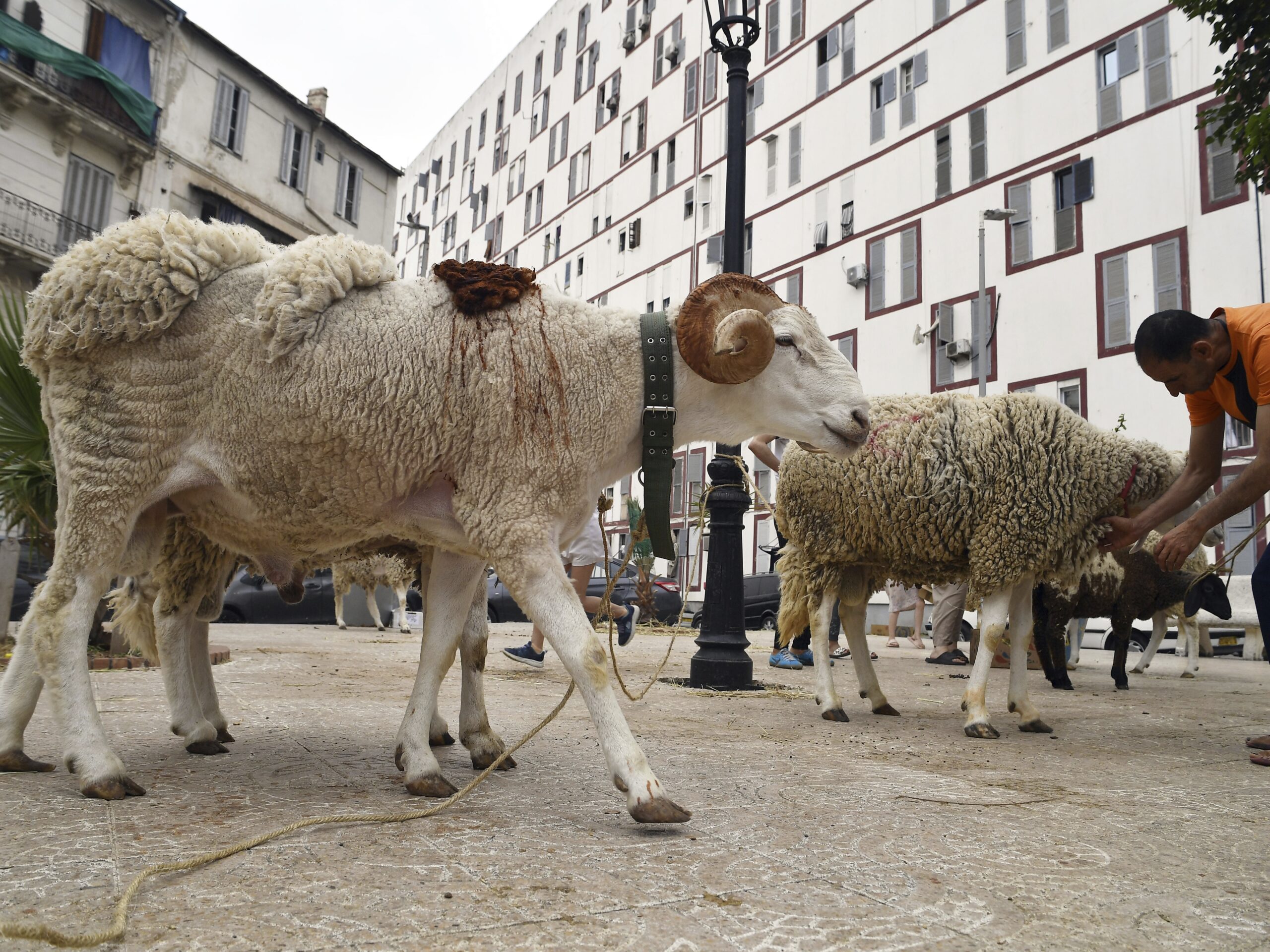
In a significant response to the ongoing drought crisis, Algeria’s government has announced plans to import an impressive one million sheep ahead of this year’s Eid Al-Adha, a cherished Muslim holiday celebrated with the ritual sacrifice of livestock. President Abdelmadjid Tebboune has directed his ministers to initiate this massive importation effort to stabilize prices and meet the surging demand for sheep during this festive season.
The decision comes as North Africa grapples with its seventh consecutive year of extreme heat and below-average rainfall, leading to a severe drought that has devastated harvests and inflated the cost of animal feed. This situation has particularly affected sheep breeders in the northern highlands of Algeria, where the quality of livestock is highly regarded. The government has historically played a crucial role in the economy, previously importing livestock in smaller quantities to ensure that low-income citizens have access to affordable options. Last year, for instance, Algeria facilitated the sale of 100,000 sheep sourced from countries like Argentina, Australia, Brazil, and Spain.
Eid Al-Adha, which falls in early June this year, is a time when Muslim families around the world purchase livestock to honor the story of the prophet Ibrahim, who was prepared to sacrifice his son as an act of obedience to God. In Algeria, this tradition is deeply rooted, yet it has become increasingly costly. During last year’s celebrations, sheep prices soared to 200,000 Algerian dinars (approximately $1,496) in some markets—ten times the country’s minimum wage—forcing many families to forgo this beloved custom.
This year’s initiative aims to prevent similar price spikes and shortages that could make the ritual sacrifice unattainable for most Algerian families. The Ministries of Agriculture and Trade are set to seek international suppliers to meet the ambitious target set by President Tebboune, hoping to alleviate the inflation that has made basic goods, including meat, unaffordable for many.
Yasmine Zireg, a mother of three, expressed relief at the current market conditions, stating, “Thank God, this year’s Ramadan is a blessing. The markets are well-stocked, housewives can shop without stress, without pressure. Products are available, and prices are accessible.”
Historically, food prices have been a catalyst for political unrest in North Africa, and Algeria is not alone in taking proactive measures ahead of Eid Al-Adha. Just ten days prior, King Mohammed VI of neighboring Morocco offered his citizens a reprieve from the costly ritual, acknowledging that the slaughter could burden low-income families. His statement, broadcast on state-run television, allowed for the possibility of forgoing the sacrifice, a move that has garnered significant media attention in Algeria.
President Tebboune’s intervention is designed to ensure that the Eid celebration remains accessible for all, particularly for those who might struggle to afford sheep. This initiative is part of a broader set of government spending policies aimed at calming social unrest while maintaining a firm grip on opposition parties, journalists, and critics of the military-backed government.
As Algeria prepares for Eid Al-Adha, the importation of one million sheep represents not just a logistical challenge but a vital step toward preserving a cherished cultural tradition in the face of economic adversity.
Original Article:
Arab News. (2025, April 7). Drought-stricken Algeria plans to import one million sheep ahead of Islam’s Eid Al-Adha. https://www.arabnews.com/node/2593166/amp