The Impact of Trump’s Tariffs on Halal Food: Strategies for Resilience
 (Photo: Halal Times)
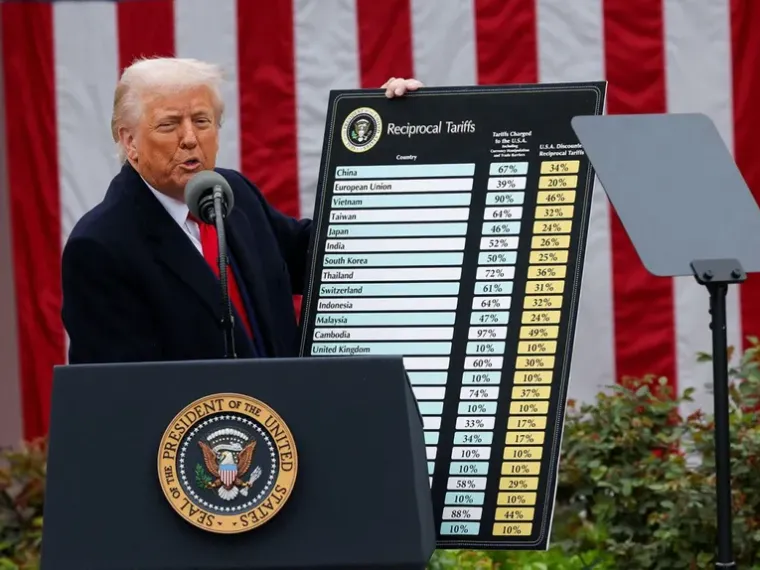
Imagine waking up to find that your favorite halal chicken nuggets have doubled in price overnight. Grocery store shelves are nearly empty, and the butcher can only shrug and mention “tariffs.” For millions who rely on affordable halal food, this scenario is becoming a reality. On April 2, 2025, former President Donald Trump announced a sweeping tariff plan, imposing a 10% baseline tax on imports from nearly every country, with rates as high as 50% for those he deems “worst offenders.” As someone with over 20 years in the halal industry, I see this as a monumental shift that affects not just economics but also culture and faith. So, how can countries respond to this bold policy?
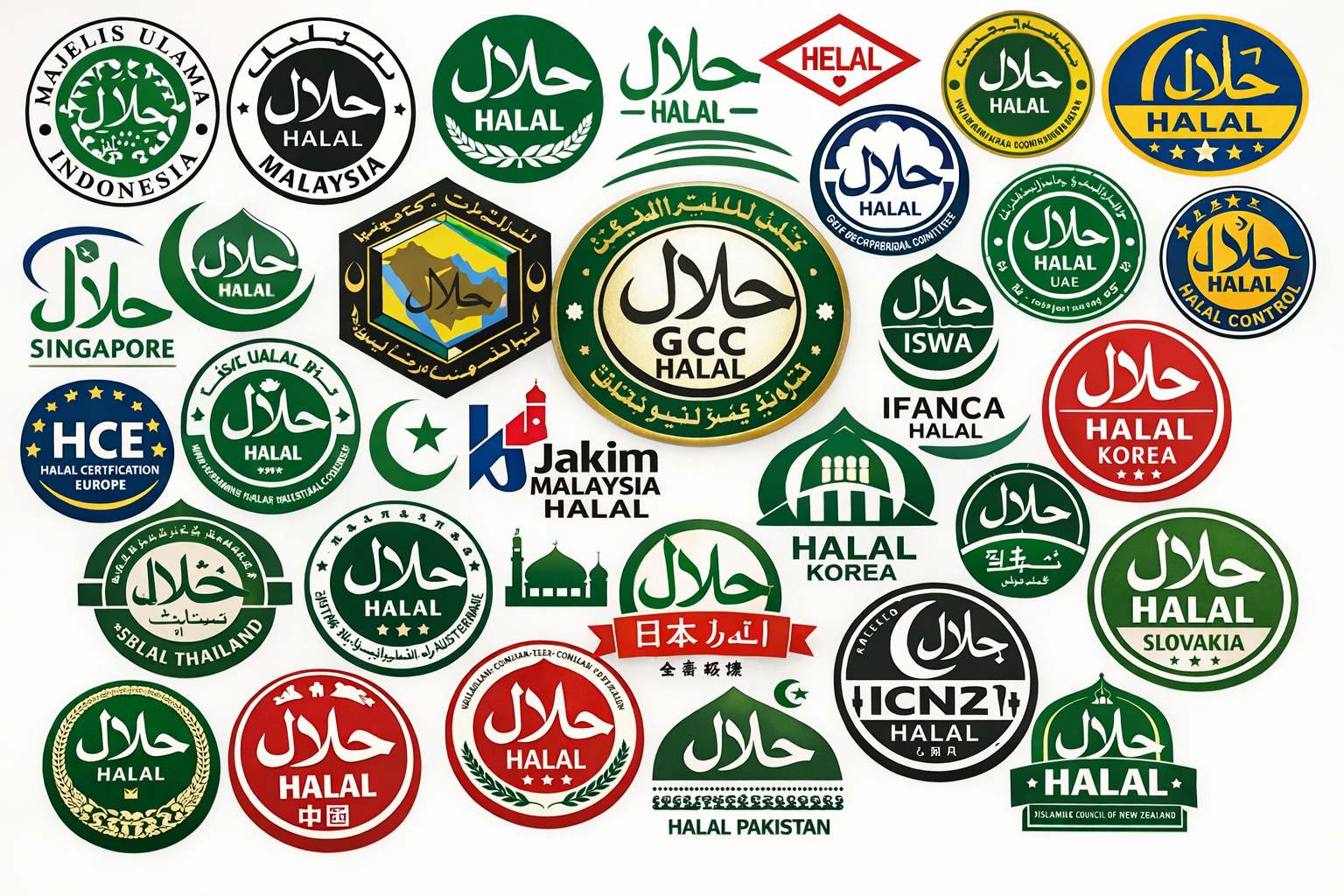
The halal industry, valued at over $2 trillion globally, includes meat, poultry, snacks, and more, adhering to Islamic dietary laws. It serves as a vital resource for Muslim communities and is increasingly appealing to non-Muslims. However, Trump’s tariffs threaten this ecosystem. For instance, Malaysia exported $12 billion worth of halal goods to the U.S. last year. A 24% tariff could make halal beef unaffordable for American Muslims. Similarly, Pakistan’s poultry farmers, who have built supply chains for U.S. demand, would face squeezed profits. The U.S. halal meat processors also rely on imported spices and equipment, meaning tariffs could inflate their costs too.
So, what strategies can countries adopt to navigate this tariff storm? First, they must remain calm and assess the situation. Panic can lead to hasty retaliatory tariffs that could escalate tensions. Countries like Japan and Singapore are taking a measured approach, studying the impact before acting. For halal-heavy economies, a mix of defense and offense is essential—protecting their industries while seeking new growth opportunities.
One option is to focus on domestic markets. If exporting to the U.S. becomes too costly, countries like Indonesia or Turkey can pivot inward, boosting local demand for halal products. This approach isn’t a complete fix, but it can buy time. Another strategy is diversification—finding new trade partners. The Middle East and Europe present lucrative opportunities for halal goods, with growing Muslim populations eager for certified products.
Negotiation is another avenue. Trump’s tariffs come with a promise: lower your barriers to U.S. goods, and he might ease up. Countries could advocate for similar trade agreements, leveraging what they can offer in return. Innovation is also key; halal producers could set up processing plants in tariff-free zones or invest in lab-grown halal meat to bypass import taxes altogether.
For halal consumers in the U.S., advocacy is crucial. They should urge leaders to fight for tariff exemptions, emphasizing the importance of affordable halal options. Countries should also consider strategic retaliation, targeting U.S. exports that would hurt politically, not just economically.
The economic fallout is already evident, with markets reacting negatively to the announcement. The S&P 500 dropped nearly 5% on April 3, 2025, and economists warn of rising prices and potential supply chain disruptions.
The best response is a hybrid approach: protect halal industries with subsidies, pivot to new markets, negotiate where possible, and innovate. Countries like Malaysia are already exploring lab-grown halal as a safeguard.
Time is of the essence, as these tariffs will take effect by April 9, 2025. However, pressure often breeds progress. The halal industry has faced significant challenges before and emerged stronger. With determination and creativity, countries can turn this challenge into an opportunity for growth. The world is watching—let’s rise to the occasion and show our resilience.
Original Article:
Halal Times. (n.d.). What Trump’s tariffs mean for halal food and how countries can fight back. Halal Times. https://www.halaltimes.com/what-trumps-tariffs-mean-for-halal-food-and-how-countries-can-fight-back/