Thailand Positions Itself as Halal Powerhouse in $3.1 Trillion Global Market Revolution
The Islamic Economy Awakens: A Trillion-Dollar Opportunity
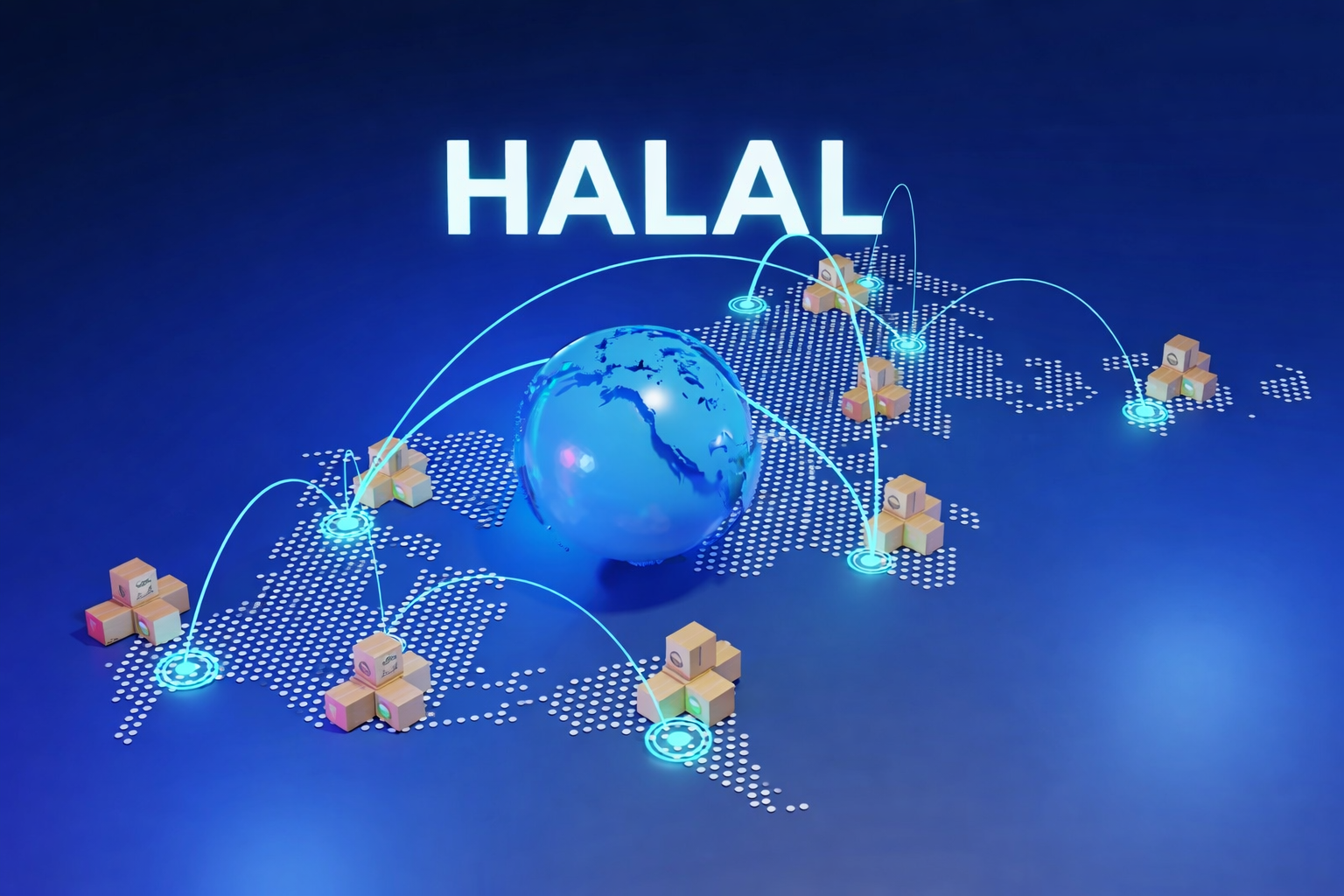
In the bustling corridors of Thailand’s Commerce Ministry, officials are crafting what could be the kingdom’s most lucrative economic strategy of the decade. Their target? A slice of the explosive global halal market that’s projected to surge from $2.35 trillion today to an astronomical $3.1 trillion by 2027—a growth trajectory that’s capturing the attention of nations worldwide.
This isn’t merely about religious dietary requirements anymore. The halal market has transformed from a specialized niche into a mainstream economic force that’s reshaping global trade patterns and consumer behavior. At its heart lies a demographic revolution that’s impossible to ignore.
The Demographics Tell the Story
The numbers paint a compelling picture of unprecedented opportunity. Muslims currently represent 1.907 billion people—nearly a quarter of humanity at 23.5% of the world’s 8.119 billion population. But here’s where it gets interesting: by 2050, this figure is expected to explode to 2.761 billion, representing almost 30% of all humans on Earth.
This demographic tsunami isn’t just about population growth—it’s about economic empowerment. Rising per capita income among Muslim consumers globally is creating a sophisticated market with increasingly discerning tastes and higher spending power. The result? A market that’s not just growing in size, but in value and influence.
Beyond Religion: The Universal Appeal of Halal
What makes the halal market particularly fascinating is its crossover appeal. While rooted in Islamic principles, halal products are increasingly attracting non-Muslim consumers who associate the certification with superior quality, cleanliness, and ethical production standards.
“Halal has become synonymous with trust,” explains industry analysts. The stringent production requirements—from sourcing to processing to packaging—create a quality assurance system that resonates with health-conscious consumers regardless of their faith.
This universal appeal is evident in the market breakdown: food and beverages dominate with $1.38 trillion (59% of the total market), but significant opportunities exist across fashion, media, recreation, tourism, pharmaceuticals, and cosmetics sectors.
Thailand’s Strategic Position: From Competitor to Market Leader
Thailand’s entry into this lucrative arena isn’t accidental—it’s the result of careful strategic positioning. In 2024, the kingdom exported $7.13 billion worth of food products to Organization of Islamic Cooperation (OIC) countries, achieving impressive 6.3% growth that outpaced many competitors.
Poonpong Naiyanapakorn, Director General of the Trade Policy and Strategy Office, describes this as Thailand’s “golden opportunity.” Currently ranking as the 10th largest food exporter to the OIC market, Thailand is strategically positioned to climb higher in the global rankings.
The kingdom’s competitive advantages are multifaceted:
- Quality Infrastructure: Thailand’s advanced food processing capabilities and established supply chains provide a solid foundation for halal production scaling.
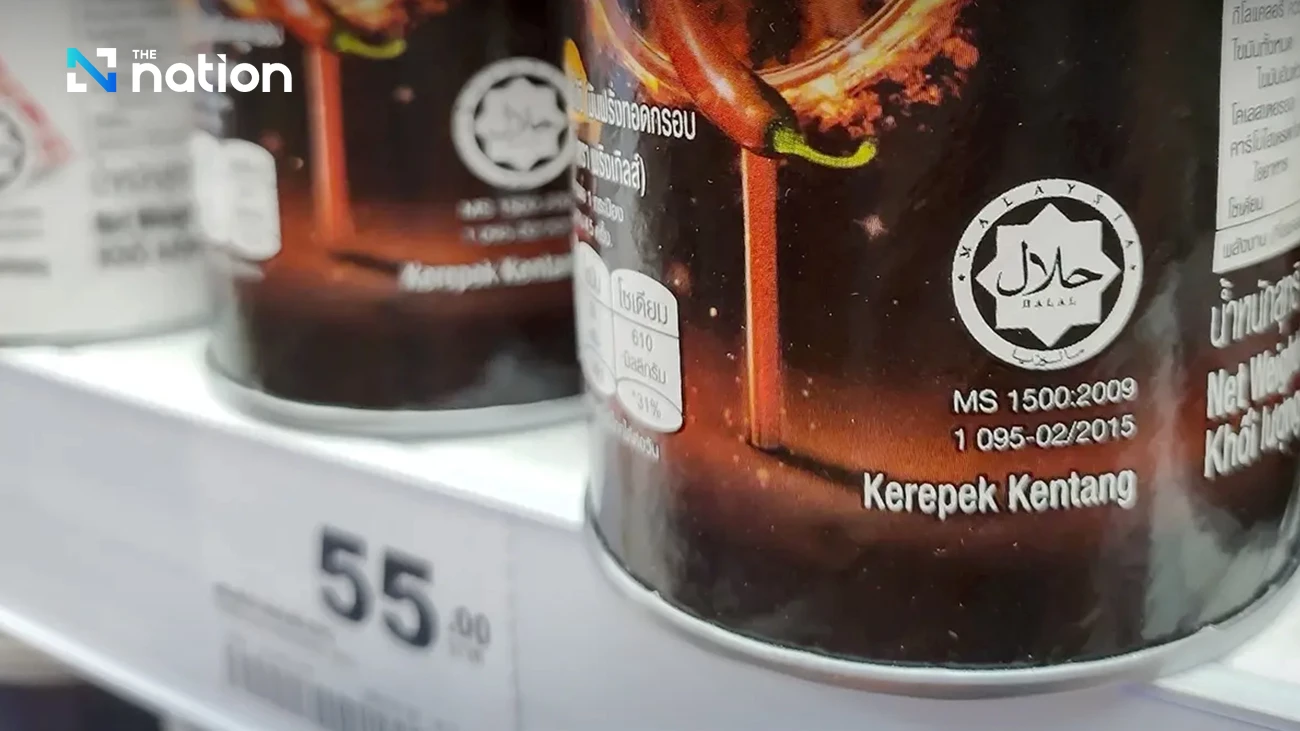
- Certification Credibility: The country has invested heavily in developing a robust halal certification system that meets international standards and enjoys recognition across Muslim-majority nations.
- Geographic Advantage: Thailand’s location in Southeast Asia provides natural access to major Muslim markets, including Indonesia (the world’s largest Muslim population) and Malaysia.
- Product Diversification: Thai halal exports span multiple categories—rice, tinned tuna, sugar, pet food, and seasonings—reducing dependency on single product lines.
Market Dynamics and Opportunities
The global halal trade landscape reveals fascinating patterns. While traditional agricultural powerhouses like Brazil, India, and China dominate overall exports, there’s significant room for specialized players like Thailand to carve out profitable niches.
Key importing markets within the OIC present varied opportunities:
- Indonesia: The world’s largest Muslim market, representing massive volume potential with growing middle-class spending power.
- United Arab Emirates: A sophisticated market with high per capita income and demand for premium halal products.
- Malaysia: A regional hub with strong demand for processed foods and ingredients.
- Saudi Arabia: High-value market with substantial purchasing power and increasing food import requirements.
- Turkey: Growing economy with diverse halal food needs spanning traditional and modern categories.
For Thailand, the concentration strategy is already paying dividends. Five key markets—Indonesia, Malaysia, Iraq, UAE, and Saudi Arabia—account for 68.5% of Thailand’s OIC food exports, allowing for focused relationship building and market development.
The Road Ahead: Challenges and Strategic Imperatives
While the opportunities are substantial, Thailand faces significant challenges in its quest for halal market dominance. The competition is fierce, with established players like Brazil and India leveraging scale advantages, while regional competitors like Malaysia and Indonesia have natural cultural and religious affinities with target markets.
To succeed, Thailand must focus on several strategic imperatives:
- Brand Building: Developing Thailand as a premium halal food destination requires consistent marketing and quality delivery across all touchpoints.
- Innovation: Continuous product development and adaptation to local tastes in different OIC markets will be crucial for sustained growth.
- Supply Chain Optimization: Scaling production while maintaining halal integrity requires sophisticated logistics and quality control systems.
- Partnership Development: Strategic alliances with distributors, retailers, and local partners in key markets will accelerate market penetration.
- Digital Integration: Leveraging e-commerce platforms and digital marketing to reach younger, tech-savvy Muslim consumers globally.
Economic Impact and Future Projections
The economic implications of Thailand’s halal market strategy extend far beyond export revenues. Success in this sector could:
- Create thousands of jobs in food processing, certification, and export logistics.
- Attract foreign investment in halal-certified manufacturing facilities.
- Position Thailand as a regional halal hub, drawing companies seeking certified production bases.
- Generate significant foreign exchange earnings to support economic stability.
Conservative projections suggest Thailand could capture 2-3% of the global halal food market by 2030, potentially generating $40-60 billion in annual exports—nearly doubling current levels.
Conclusion: A Golden Opportunity Beckons
Thailand’s halal market ambitions represent more than just export diversification—they embody a strategic vision for the country’s economic future. With a global Muslim population approaching 2.8 billion by 2050 and spending power growing exponentially, the halal market offers Thailand a pathway to sustainable, high-value economic growth.
The foundation is solid: quality products, credible certification, strategic location, and growing market presence. What’s needed now is the vision, investment, and execution to transform this opportunity into lasting competitive advantage.
As Poonpong Naiyanapakorn noted, this truly is a “golden opportunity” for Thai entrepreneurs. The question isn’t whether the halal market will continue growing—it’s whether Thailand will position itself to capture its fair share of this trillion-dollar prize.
The race is on, and Thailand is well-positioned to win.
Original Article:
The Nation Thailand. (2025, June 22). Political uncertainty threatens Thailand’s economy, private sector warns.The Nation Thailand. Retrieved from https://www.nationthailand.com/business/economy/40051582