Strategic Alliance: Peru Seeks Indonesia as Latin America’s Gateway to Global Halal Markets
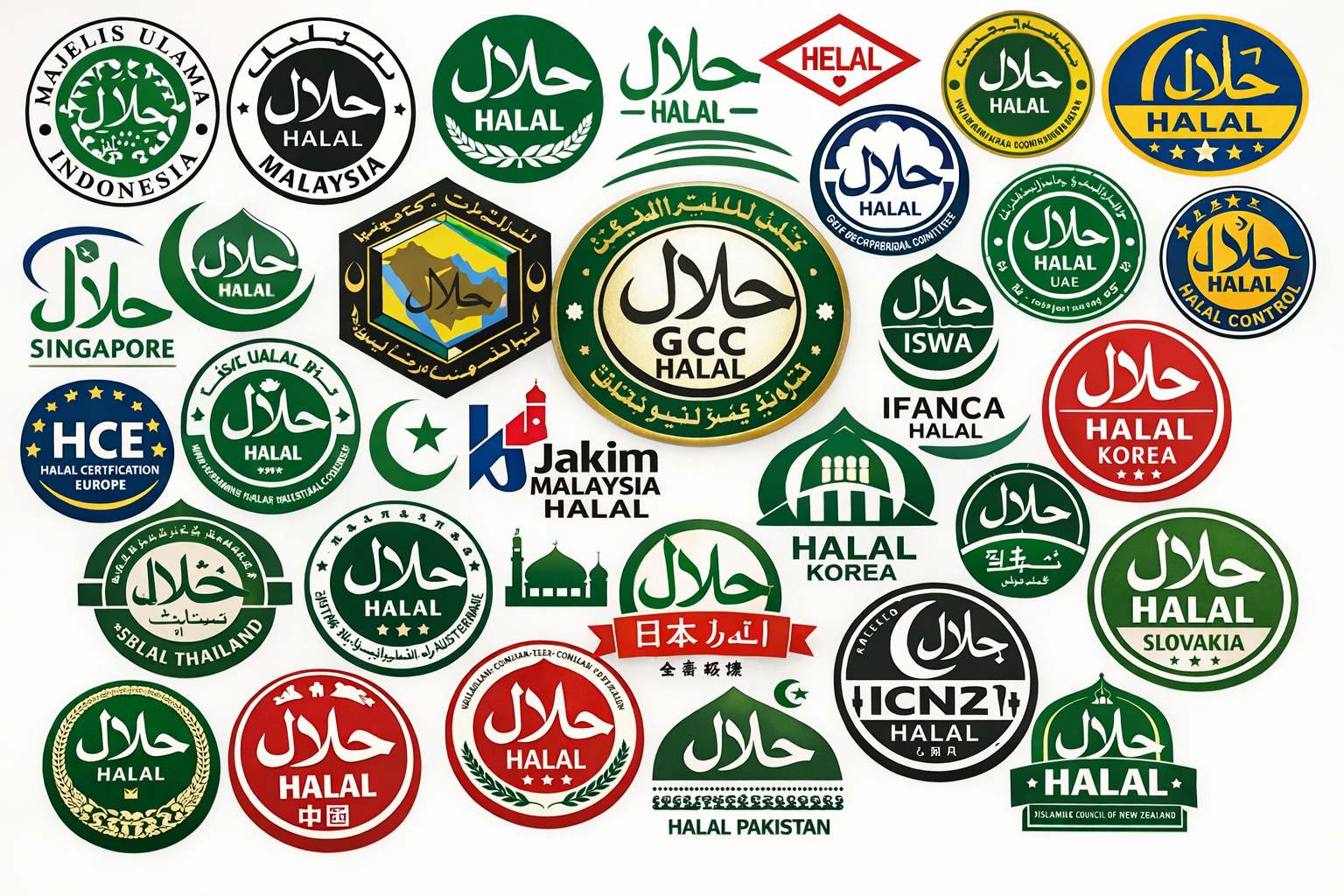
JAKARTA – In a significant development for international halal trade, Peru has formally requested Indonesia to serve as the primary halal certification hub for Latin American products seeking to penetrate Asian markets. This strategic partnership proposal emerged during high-level diplomatic discussions in Jakarta, highlighting the growing importance of halal certification in global commerce and Indonesia’s recognized leadership in Islamic product standards.
The initiative represents a groundbreaking approach to regional cooperation, where Peru aims to leverage Indonesia’s established halal certification infrastructure and credibility to access lucrative Asian markets with substantial Muslim consumer populations.
Indonesia’s Role as Regional Halal Authority
Anindya Bakrie, Chairman of the Indonesian Chamber of Commerce and Industry (Kadin), confirmed that Peruvian leadership has specifically requested Indonesia to establish a comprehensive certification center dedicated to halal product verification and market promotion for Latin American goods.
“Peru envisions Indonesia becoming the central authority for halal product certification and market development,” Bakrie explained during discussions in Jakarta. This proposal positions Indonesia not merely as a certification provider, but as a strategic partner in developing Latin America’s halal export capabilities.
The request came directly from Peruvian President Dina Boluarte, who has formally asked Indonesia to provide halal certification services for various Peruvian products. Under this arrangement, Peru plans to submit diverse product categories for certification while participating in comprehensive halal industry education and socialization programs.
Institutional Framework and Implementation
Indonesia’s Chamber of Commerce and Industry plays a crucial role in facilitating this ambitious partnership. Bakrie emphasized that Kadin has established collaborative relationships with Indonesia’s Halal Product Guarantee Agency (BPJPH), creating a comprehensive framework encompassing certification processes, professional training programs, and ongoing technical cooperation.
“Peruvian businesses have numerous products they wish to submit for halal certification. This partnership could establish us as the premier halal industry hub for Latin America within the ASEAN region,” Bakrie noted, highlighting the broader regional implications of this bilateral cooperation.
The institutional structure leverages Indonesia’s advanced halal certification system, which has gained international recognition for its rigorous standards and comprehensive approach to Islamic product compliance. This credibility makes Indonesian certification highly valued in Muslim-majority markets across Asia and the Middle East.
Beyond Certification: Expanding Economic Cooperation
The Peru-Indonesia partnership extends beyond halal certification to encompass broader economic collaboration, particularly in the fisheries and aquaculture sectors. Both nations recognize significant potential for technology transfer and knowledge sharing in fish farming operations, which represent important economic activities for both countries.
Bakrie expressed optimism about mutual technology exchange in aquaculture development, viewing this cooperation as an opportunity to advance both nations’ fisheries industries through shared expertise and innovative practices. This comprehensive approach to partnership demonstrates how halal certification can serve as a gateway to broader economic relationships.
“This collaboration exemplifies how the Indonesian Chamber of Commerce and Industry works closely with government institutions to ensure that diplomatic initiatives translate into concrete economic progress,” Bakrie observed, emphasizing the practical implementation of international agreements.
Diplomatic Context and Historical Significance
This halal certification partnership emerges during a significant milestone in Indonesia-Peru relations, coinciding with the 50th anniversary of diplomatic ties between the two nations. Indonesian President Prabowo Subianto has reaffirmed his country’s commitment to strengthening cooperative relationships with Peru, viewing this anniversary as an opportunity to deepen bilateral engagement across multiple sectors.
President Prabowo’s reception of Peruvian President Dina Boluarte at Jakarta’s Merdeka Palace marked this important diplomatic milestone, with both leaders recognizing August 12 as a historic date in their bilateral relationship. The halal certification initiative represents a concrete manifestation of this enhanced cooperation, moving beyond ceremonial diplomacy to practical economic collaboration.
Market Opportunities and Strategic Implications
Latin American Market Potential
Peru’s initiative reflects broader recognition across Latin America of the substantial economic opportunities in global halal markets, which continue expanding as Muslim populations grow worldwide and non-Muslim consumers increasingly seek halal-certified products for quality and ethical reasons.
By partnering with Indonesia, Peru gains access to established distribution networks, market knowledge, and consumer trust that Indonesian halal certification provides in key Asian markets. This strategic approach allows Peruvian exporters to overcome entry barriers that might otherwise prevent access to these lucrative markets.
Indonesia’s Regional Leadership
For Indonesia, this partnership reinforces its position as ASEAN’s leading halal authority and demonstrates the international credibility of its certification systems. Serving as Latin America’s halal gateway enhances Indonesia’s role in global Islamic commerce while creating new opportunities for Indonesian businesses and institutions.
The partnership also aligns with Indonesia’s broader economic diplomacy objectives, using its religious and cultural credentials to build advantageous trade relationships with nations seeking to access Muslim consumer markets.
Implementation Timeline and Next Steps
The partnership involves several phases of development, beginning with product submission and certification processes for initial Peruvian exports. Concurrent socialization programs will educate Peruvian businesses about halal requirements, market preferences, and compliance standards necessary for success in Asian markets.
Training components will likely include technical workshops on halal production methods, supply chain management, and marketing strategies specifically adapted for Muslim consumers. These educational initiatives ensure that certified products meet not only technical requirements but also cultural expectations of target markets.
Broader Regional Impact
Success in the Peru-Indonesia halal partnership could serve as a model for other Latin American nations seeking similar market access. Countries throughout the region possess agricultural and manufactured products with significant potential in Asian halal markets, suggesting that this bilateral initiative might expand into a comprehensive regional cooperation framework.
The partnership also demonstrates how halal certification can serve as a bridge between different cultural and economic regions, facilitating trade relationships that might not otherwise develop through traditional commercial channels.
Conclusion
Peru’s request for Indonesia to serve as Latin America’s halal certification hub represents a sophisticated approach to international trade development, recognizing that success in global markets increasingly requires specialized knowledge and credible certification systems. By leveraging Indonesia’s expertise and reputation in halal standards, Peru positions itself to access rapidly growing Asian markets while building long-term economic relationships.
This partnership exemplifies how countries can use cultural and religious commonalities to create mutually beneficial trade relationships, transforming diplomatic ties into concrete economic opportunities. As the global halal market continues expanding, such strategic alliances will likely become increasingly important for nations seeking to participate in this dynamic sector.
The Peru-Indonesia halal certification partnership marks not just a bilateral agreement, but potentially the beginning of a new model for South-South cooperation that could reshape how Latin American nations approach Asian markets and how ASEAN countries extend their influence beyond traditional regional boundaries.
Original article:
antaranews.com. (n.d.). Peru wants RI to become Latin America’s halal certification hub. Retrieved August 13, 2025, from https://en.antaranews.com/news/372645/peru-wants-ri-to-become-latin-americas-halal-certification-hub