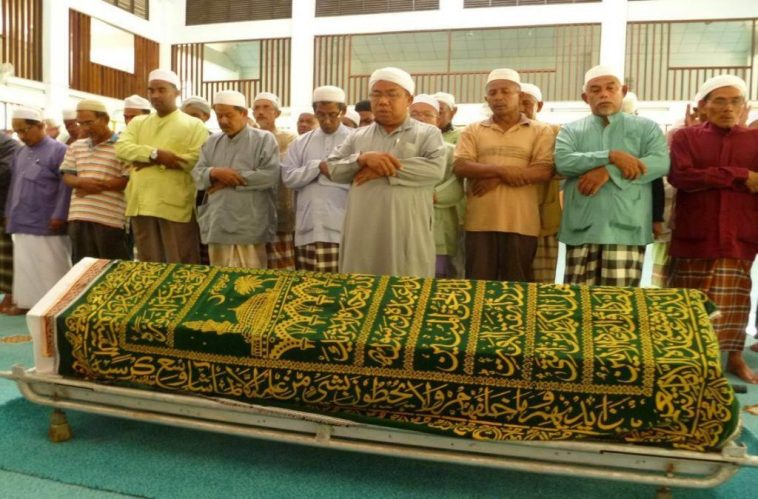
Janazah Prayer: Meaning, Conditions, and Step-by-Step Guide
Understanding the Janazah Prayer
Every human being will return to Allah. Although the exact moment of death is unknown, its certainty is beyond doubt. In Islam, when a Muslim passes away, several sacred rites must be completed before burial. One of the most essential rites is the Janazah Prayer, a special funeral prayer offered for the deceased.
The Janazah Prayer is not just a tradition. It is a final act of kindness for someone who has passed away and an important act of worship in Islam. Through this prayer, Muslims ask Allah to forgive the deceased, show them mercy, and make their journey in the Hereafter easier. It is a quiet and meaningful moment. It reminds us to be humble, to reflect on our own lives, and to sincerely pray for the one who has returned to Allah.
Is the Janazah Prayer Obligatory?
In Islamic law, the Janazah Prayer is classified as fardhu kifayah, which means a communal obligation. The word fardhu means something that is required, and kifayah means it is enough if some people carry it out.
In other words, this responsibility belongs to the Muslim community as a whole. If a group of Muslims performs the prayer, then the obligation is lifted from the rest. But if no one performs it, the entire community shares the sin. This shows how Islam teaches shared responsibility and caring for one another. The Janazah Prayer is performed after the deceased has been prepared according to Islamic guidelines.
The Prophet Muhammad said:
مَا مِنْ مَيِّتٍ يُصَلِّى عَلَيْهِ أُمَّةٌ مِنَ الْمُسْلِمِينَ يَبْلُغُونَ مِائَةً كُلُّهُمْ يَشْفَعُونَ لَهُ إِلاَّ شُفِّعُوا فِيهِ
“There is no deceased person for whom a group of one hundred Muslims offers the funeral prayer, all interceding for him, except that their intercession will be accepted.”
This hadith shows the great blessing of the Janazah Prayer. When many Muslims sincerely pray for the deceased, asking Allah for forgiveness and mercy, their supplication is accepted by Him. It reminds us of the power of collective prayer and the mercy of Allah.
Unlike regular daily prayers, the Janazah Prayer does not include bowing (rukuʿ) or prostration (sujud). It is performed entirely while standing and consists of four takbirs, as mentioned in the hadith narrated by Shahih Bukhari Muslim:
أَنَّ رَسُولَ اللَّهِ صَلَّى اللهُ عَلَيْهِ وَسَلَّمَ نَعَى لِلنَّاسِ النَّجَاشِيَ فِي الْيَوْمِ الَّذِي مَاتَ فِيهِ فَخَرَجَ بِهِمْ إِلَى الْمُصَلَّ وَكَبَّرَ أَرْبَعَ تَكْبِيرَاتٍ
Allah’s Messenger informed about the news of the death of An-Najash on the day he died. He went out with us to the Musalla and we aligned in rows and he said four Takbirs for An-Najashi’s funeral prayer.
Conditions Before Performing the Janazah Prayer
Although the Janazah Prayer does not involve bowing (ruku’) or prostration (sujud), it still requires proper preparation. Several conditions must be fulfilled before the prayer begins to ensure its validity.
- Preparation of the Place
The prayer area must be clean and free from impurities. Cleanliness is a basic requirement in all acts of worship, including the Janazah Prayer.
- Personal Preparation
Those performing the prayer must be Muslim, be mumayyiz (able to distinguish right from wrong), be in a state of ritual purity, perform wudhu (ablution) before praying. Even though the movements are simple, the spiritual and physical requirements remain the same as other prayers.
- Proper Positioning of the Deceased
The deceased must also be positioned correctly before the prayer begins.
- The body must be placed in front of the Imam, not behind him. The Imam stands facing the qiblah, with the body laid before him.
- The distance between the Imam and the body should not exceed approximately 150 meters. The same applies to the rows (saf) of the congregation, they should remain close and without large gaps.
- The deceased should be placed on their right side facing the qiblah, just as Muslims face the qiblah during prayer and burial.
Correct positioning ensures the validity of the prayer and reflects the order and unity emphasized in Islamic worship.
Who Has the Right to Lead?
The person most entitled to lead the prayer (Imam) is generally the closest male relative in terms of responsibility. If the deceased is a married woman, her husband has priority.
If he is not present, then her wali (father or paternal grandfather) may lead. After them, the right passes to her sons, then male siblings. If none are available, any qualified Muslim man may serve as Imam.
Steps of the Janazah Prayer
Step 1: Niyyah
The niyyah is formed in the heart. It does not have to be spoken aloud, but it may be recited softly for focus.
- Niyyah for a Male Deceased
أُصَلِّيَ عَلَى هَذَا الْمَيِّتِ أَرْبَعَ تَكْبِيرَاتٍ فَرْضَ كِفَايَةٍ لله تَعَالَى
Usalli ‘ala hadzal-mayyiti arba‘a takbiratin fardha kifayah lillahi ta‘ala.
“I intend to perform the funeral prayer for this deceased male with four takbirs as a communal obligation for the sake of Allah, the Most High.”
- Niyyah for a Female Deceased
أُصَلِّيَ عَلَى هَذِهِ الْمَيِّتَةِ أَرْبَعَ تَكْبِيرَاتٍ فَرْضَ كِفَايَةٍ لله تَعَالَ
Usalli ‘ala hadzihil-mayyitah arba‘a takbiratin fardha kifayah lillahi ta‘ala.
“I intend to perform the funeral prayer for this deceased female with four takbirs as a communal obligation for the sake of Allah, the Most High.”
- Niyyah for Multiple Deceased
أُصَلِّيَ عَلَى هَؤُلَاءِ الْأَمْوَاتِ أَرْبَعَ تَكْبِيرَاتٍ فَرْضَ كِفَايَةٍ لله تَعَالَى
Usalli ‘ala ha’ula’i al-amwat arba‘a takbiratin fardha kifayah lillahi ta‘ala.
“I intend to perform the funeral prayer for these deceased individuals with four takbirs as a communal obligation for the sake of Allah, the Most High.”
Step 2: First takbir
Raise both hands to shoulder level (thumbs near the earlobes), then say “Allahu Akbar.” Place the right hand over the left between the chest and navel. Recite Surah Al-Fatihah silently.
Step 3: Second Takbir
After saying “Allahu Akbar” the second time, recite salawat upon Prophet Muhammad:
اللَّهُمَّ صَلِّ عَلَى سَيِّدِنَا مُحَمَّدٍ وَعَلَى آلِ سَيِّدِنَا مُحَمَّدٍ كَمَا صَلَّيْتَ عَلَى سَيِّدِنَا إِبْرَاهِيمَ وَعَلَى آلِ سَيِّدِنَا إِبْرَاهِيمَ، وَبَارِكْ عَلَى سَيِّدِنَا مُحَمَّدٍ وَعَلَى آلِ سَيِّدِنَا مُحَمَّدٍ كَمَا بَارَكْتَ عَلَى سَيِّدِنَا إِبْرَاهِيمَ وَعَلَى آلِ سَيِّدِنَا إِبْرَاهِيمَ إِنَّكَ حَمِيدٌ مَجِيدٌ.
Allahumma salli ‘ala Sayyidina Muhammadin wa ‘ala ali Sayyidina Muhammadin kama sallayta ‘ala Sayyidina Ibrahima wa ‘ala ali Sayyidina Ibrahima, wa barik ‘ala Sayyidina Muhammadin wa ‘ala ali Sayyidina Muhammadin kama barakta ‘ala Sayyidina Ibrahima wa ‘ala ali Sayyidina Ibrahima innaka Hamidun Majid.
“O Allah, send Your peace and blessings upon Muhammad and the family of Muhammad, as You sent Your peace and blessings upon Ibrahim and the family of Ibrahim. Truly, You are Praiseworthy, Most Glorious. O Allah, bless Muhammad and the family of Muhammad, as You blessed Ibrahim and the family of Ibrahim. Truly, You are Praiseworthy, Most Glorious”
Step 4: Third Takbir (Main Supplication)
- For a Male Deceased
اللَّهُمَّ اغْفِرْ لَهُ وَارْحَمْهُ وَعَافِهِ وَاعْفُ عَنْهُ
Allahumma aghfir lahu warhamhu, wa ‘afihi wa’fu ‘anhu.
“O Allah, forgive him, have mercy on him, pardon him, and grant him security.”
- For a Female Deceased
اللَّهُمَّ اغْفِرْ لَهَا وَارْحَمْهَا، وَعَافِهَا وَاعْفُ عَنْهَا
Allahumma aghfir laha warhamha, wa ‘afiha wa‘fu ‘anha.
“O Allah, forgive her, have mercy on her, pardon her, and grant her security.”
- For Multiple Deceased
اللَّهُمَّ اغْفِرْ لَهُمْ وَارْحَمْهُمْ، وَعَافِهِمْ وَاعْفُ عَنْهُمْ
Allahumma aghfir lahum warhamhum, wa ‘afihim wa‘fu ‘anhum.
“O Allah, forgive them, have mercy on them, pardon them, and grant them security.”
Step 5: Fourth Takbir (Closing Supplication)
- For a Male Deceased
اللَّهُمَّ لَا تَحْرِمْنَا أَجْرَهُ وَلَا تَفْتِنَّا بَعْدَهُ وَاغْفِرْ لَنَا وَلَهُ
Allahumma la tahrimna ajrahu wa la taftinna ba‘dahu, waghfir lana walahu.
”O Allah, do not deny us the reward (for our patience over his loss), and do not subject us to trials after him, and forgive us and him.”
- For a Female Deceased
اللَّهُمَّ لَا تَحْرِمْنَا أَجْرَهَا وَلَا تَفْتِنَّا بَعْدَهَا، وَاغْفِرْ لَنَا وَلَهَا
Allahumma la tahrimna ajraha wa la taftinna ba‘daha, waghfir lana walahaa.
”O Allah, do not deny us the reward (for our patience over her loss), and do not subject us to trials after her, and forgive us and her.”
- For Multiple Deceased
اللَّهُمَّ لَا تَحْرِمْنَا أَجْرَهُمْ وَلَا تَفْتِنَّا بَعْدَهُمْ، وَاغْفِرْ لَنَا وَلَهُمْ
Allahumma la tahrimna ajrahum wa la taftinna ba‘dahum, waghfir lana walahum.
”O Allah, do not deny us the reward (for our patience over their loss), and do not subject us to trials after them, and forgive us and them.”
Step 6: Concluding with Salam
Turn your head to the right and say:
السَّلَامُ عَلَيكُم وَرَحمَةُ اللهِ
Assalamualaikum warahmatullah
“Peace and blessings upon you”
Then repeat to the left side.
References:
How to perform Solat Jenazah (Islamic funeral prayer) with detailed steps. (n.d.). https://muslim.sg/articles/how-to-perform-solat-jenazah-islamic-funeral-prayer-with-detailed-steps
Cantika, Y. (n.d.). Pengertian Sholat Jenazah Beserta Tata Cara Sholat Jenazah. https://www.gramedia.com/literasi/tata-cara-sholat-jenazah/
Sahih Al-Bukhari 1333 – Funerals (Al-Janaa’iz) – كتاب الجنائز – Sunnah.com – Sayings and teachings of Prophet Muhammad (صلى الله عليه و سلم). (n.d.). https://sunnah.com/bukhari:1333
Sunan An-Nasa’i 1991 – The Book of Funerals – كتاب الجنائز – Sunnah.com – Sayings and teachings of Prophet Muhammad (صلى الله عليه و سلم). (n.d.). https://sunnah.com/nasai:1991
Haji, B.-. B. P. K. (n.d.). Pengertian Fardhu Kifayah dan Pentingnya dalam Kehidupan Sosial. BPKH – Badan Pengelola Keuangan Haji. https://bpkh.go.id/publikasi/siaran-pers/pengertian-fardhu-kifayah