Vietnamese Companies Leverage Blockchain to Enhance Halal Market Access
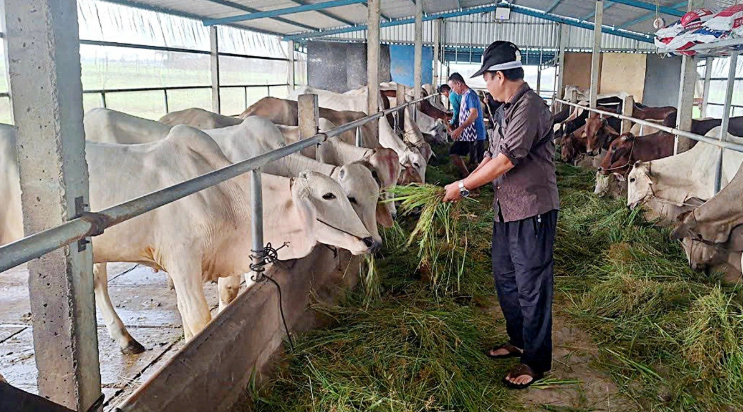
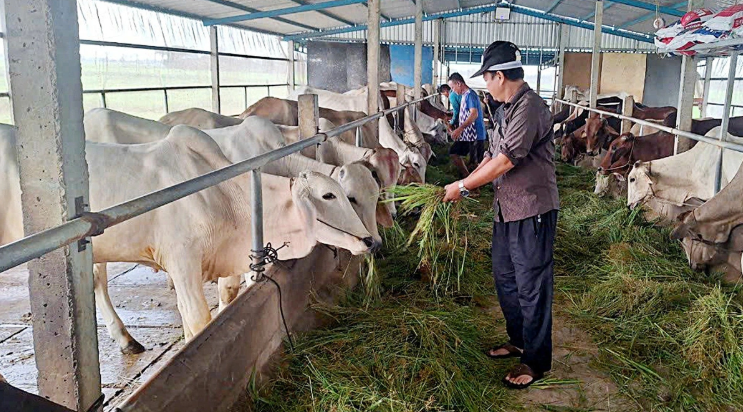 (Photo: Halal Focus)
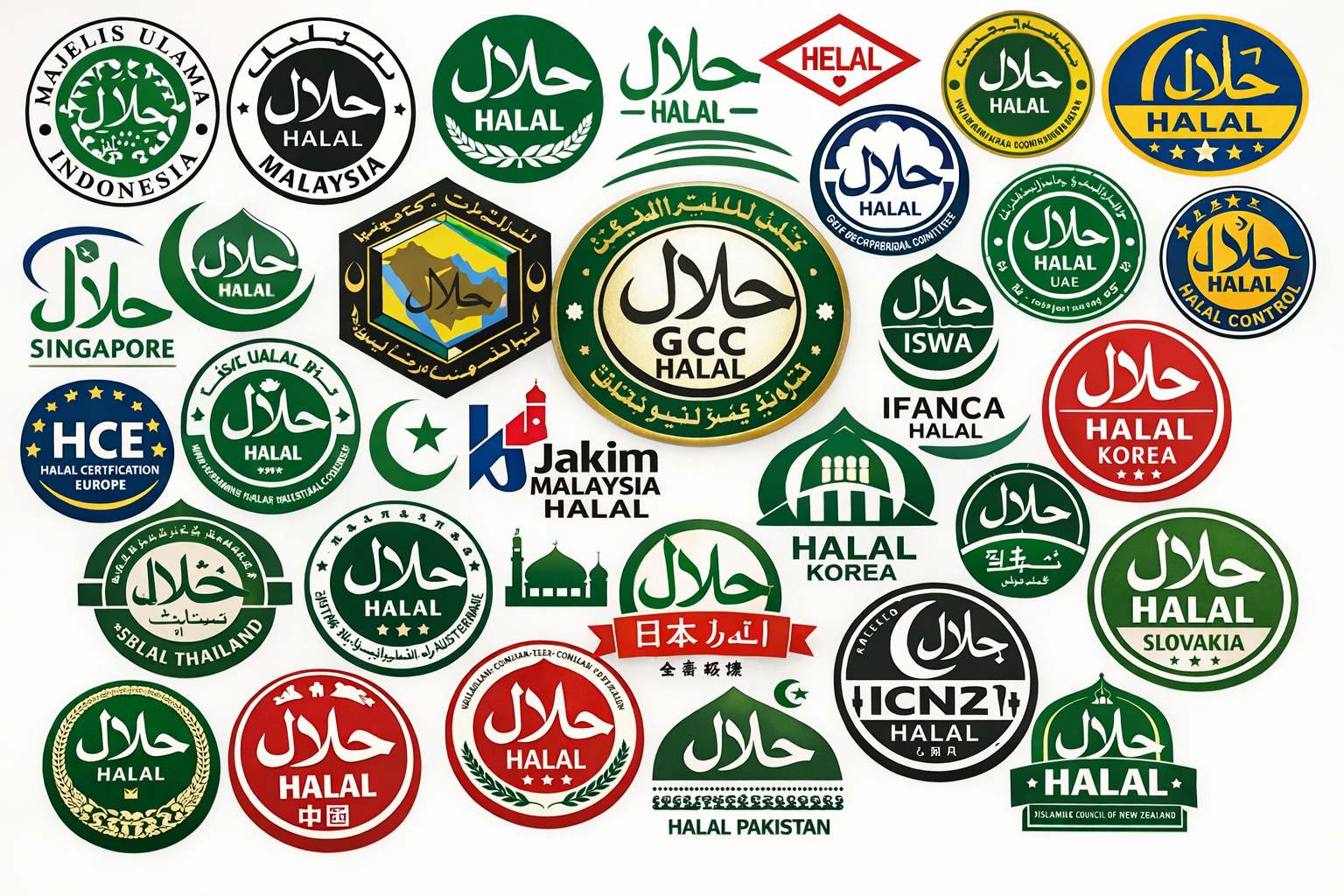
In a significant move to penetrate the halal market, Vietnamese firms are increasingly adopting blockchain technology. This innovative database system allows for the secure storage and transmission of interconnected information blocks through encryption, ensuring that products are free from non-halal materials or processes.
Halal, which refers to food products and services compliant with Islamic law, is gaining traction in Vietnam. By utilizing blockchain, companies can maintain transparent and immutable records of the halal certification process, ensuring adherence to halal standards at every stage of the supply chain. This technology not only enhances the integrity of the certification process but also boosts consumer confidence by detecting fraud and labeling errors, making it easier for customers to identify halal products while shopping, especially in international markets.
With the implementation of blockchain, Vietnamese firms can market their products based on transparency in halal standards, regardless of the varying regulations across different countries. In 2024, Vietnam established a comprehensive partnership with the United Arab Emirates, marking a significant milestone in its efforts to export agricultural products and processed foods to the Middle East.
If successful in penetrating the halal market, Vietnam’s exports of agricultural and key products could see an increase of 50% or more. Vietnamese companies have already demonstrated their capabilities by entering selective markets such as the U.S., the European Union, and Japan. With strategic investments in the halal sector, double-digit growth in various industries is within reach, contributing to Vietnam’s overall economic expansion.
Meeting Stringent Standards for Halal Certification
The Middle East and North Africa (MENA) region presents immense potential for halal products. The MENA market for halal consumer goods and beauty products is projected to reach a staggering US$5.9 trillion by 2025. With the MENA population expected to grow to 600 million by 2030, and a younger generation increasingly consuming processed foods and cosmetics, Vietnam has a unique opportunity to leverage its agricultural strengths and export natural products.
Vietnam’s Politburo has created favorable conditions for enterprises involved in the production, cultivation, packaging, and transportation of halal products, enabling them to quickly integrate into the global supply chain catering to the Muslim community. However, determining whether a product is halal can be challenging, as many ingredients may originate from animal or plant sources, and some may be by-products of animals.
While all plant-based products are considered halal, contamination with ingredients or processing aids containing intoxicating or addictive substances renders them non-permissible. To fully capitalize on trade opportunities with Middle Eastern countries, Vietnam must prioritize understanding the significance of Islamic trade standards. It is essential to note that halal standards in Middle Eastern countries differ from those in Malaysia and Indonesia, necessitating careful navigation of these regulations.
Original Article:
Tuoi Tre News. (2025, April 6). Vietnamese firms employ blockchain to support halal market penetration. https://tuoitrenews.vn/news/business/20250219/vietnamese-firms-employ-blockchain-to-support-halal-market-penetration/84638.html