Indonesia Mandates Halal Certification for Consumer Products by Late 2026
Source: Antara News
Jakarta, Indonesia – Indonesia’s Halal Product Assurance Agency (BPJPH) has announced that several categories of consumer products will be required to obtain halal certification by October 17, 2026, marking a significant shift in the country’s regulatory landscape for Muslim consumers.
According to Deputy Head Afriansyah Noor, the mandate stems from Government Regulation Number 42 of 2024, which addresses the implementation of halal product guarantee standards. The regulation encompasses five key product categories: pharmaceutical items, beauty and personal care products, chemical compounds, genetically modified products, and various consumer goods.
Growing Market Demand Drives Policy
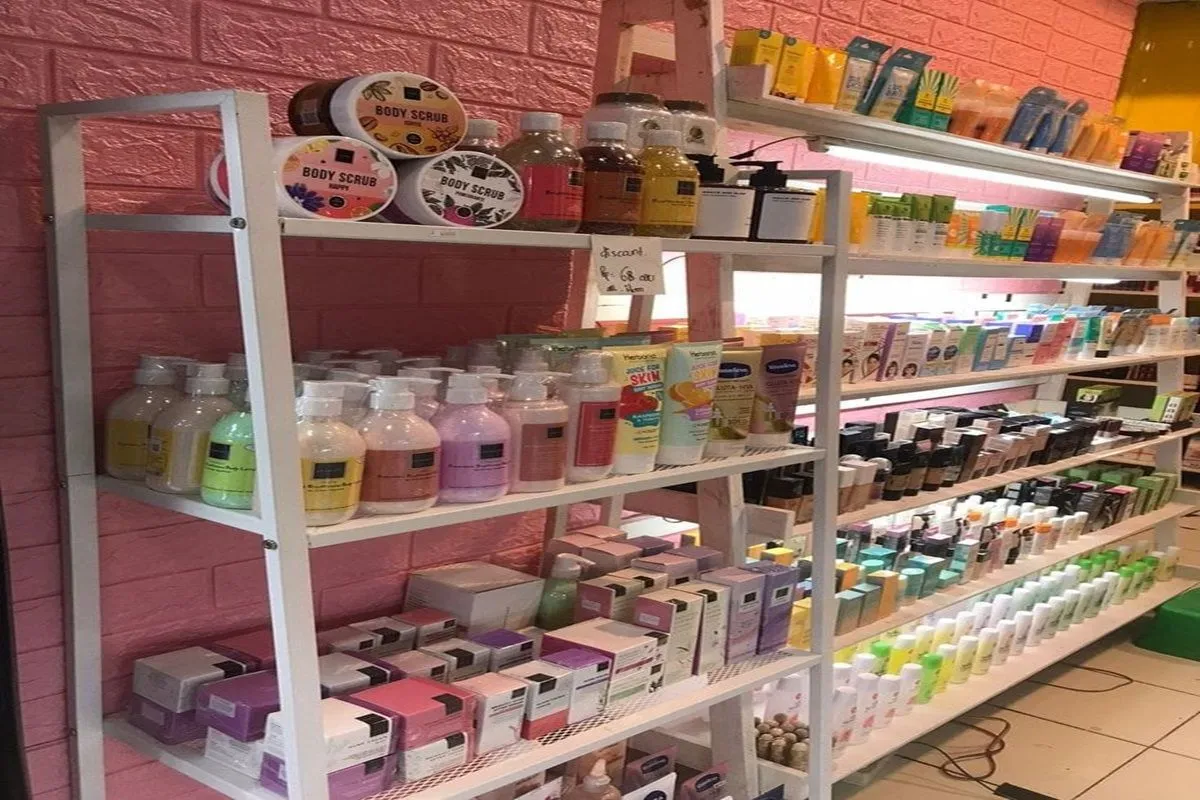
The certification requirement reflects the substantial market demand from Indonesia’s Muslim population, particularly in the cosmetics sector. Noor emphasized that beauty products have become essential items for Indonesian consumers, especially Muslim women who increasingly prioritize halal labeling when making purchasing decisions.
Social media platforms have amplified awareness around halal-certified cosmetics, contributing to consumer education and market pressure for compliant products. This digital influence has helped shape purchasing behaviors and increased transparency expectations within the industry.
Industry Preparedness and Current Status
Despite the October 2026 deadline, many manufacturers have already begun the certification process. Current BPJPH data reveals that 81,343 domestically produced cosmetic items and 7,558 imported cosmetic products have successfully obtained halal certification under the Indonesian Standard Classification of Business Fields category 20232-Cosmetics for humans.
The classification system includes various personal care items, with toothpaste specifically mentioned as part of the cosmetics category requiring certification.
Agency Outreach and Education Efforts
Deputy for Development and Supervision JPH Chuzaemi Abidin highlighted the agency’s commitment to supporting businesses through the transition period. BPJPH is conducting comprehensive outreach programs through multiple media channels to educate manufacturers about certification requirements and processes.
These educational initiatives aim to increase industry awareness, promote transparency, and build consumer confidence across different demographic groups. The agency particularly commends businesses that proactively pursue halal certification while simultaneously improving their overall product quality.
Market Implications
The regulatory change positions Indonesia as a leader in halal product standardization, potentially facilitating easier access to global markets where halal certification is valued. This development aligns with the country’s role as the world’s largest Muslim-majority nation and its growing influence in the global halal economy.
The mandate represents a comprehensive approach to ensuring religious compliance in consumer goods, reflecting the intersection of regulatory policy, market demand, and religious observance in Indonesia’s diverse economy.
Original article:
halaltimes.com. (n.d.).Multiple products require halal certification by October 2026. Retrieved June 25, 2025, from https://en.antaranews.com/news/355309/multiple-products-require-halal-certification-by-october-2026