Expanding Horizons: Vietnamese Enterprises Eye Massive Global Halal Market Opportunities
Market Potential and Growth Projections
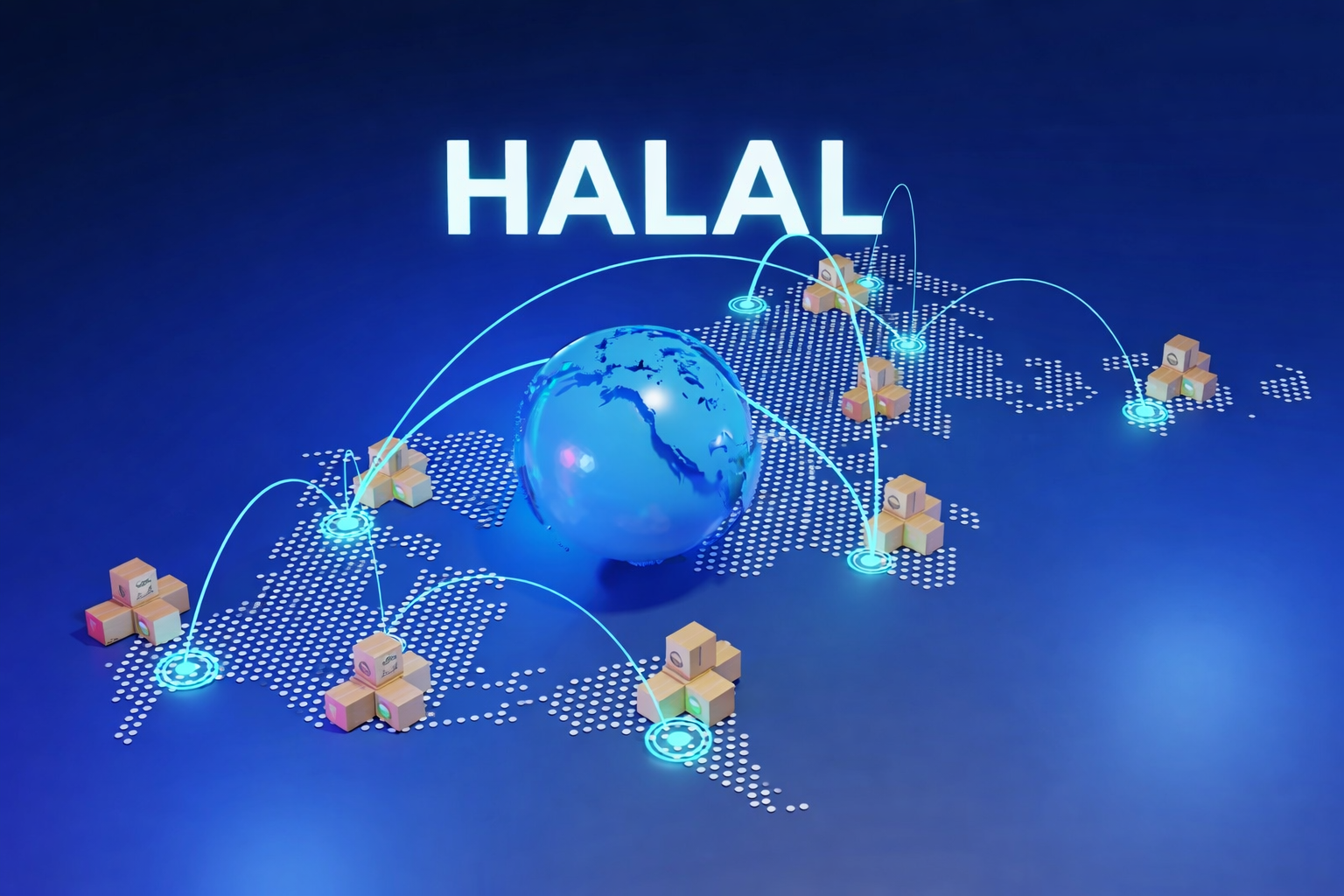
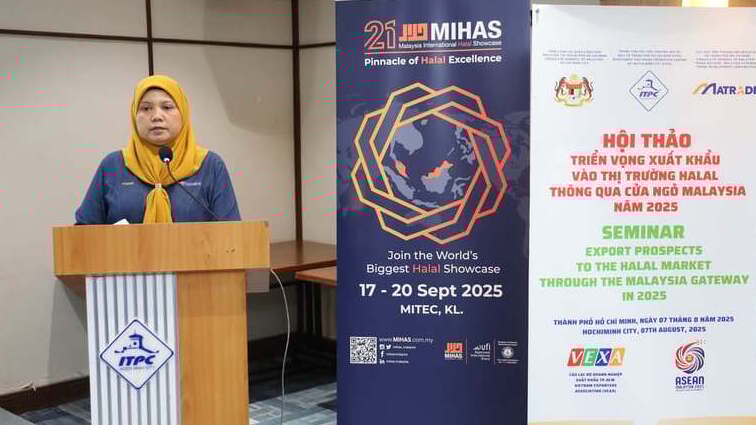
The global halal market represents an extraordinary business opportunity projected to reach five trillion dollars by 2030, presenting significant prospects for Vietnamese enterprises seeking international expansion. Malaysia, serving as a crucial gateway to this enormous market, is expected to achieve 113.2 billion dollars in halal market value, making it an attractive entry point for Vietnamese businesses. Shariza binti Abdul Rasheed, Halal product manager at Maybank Malaysia, highlighted these projections during a seminar titled “Prospects for exporting to the Halal market via the Malaysian gateway by 2025” held in Ho Chi Minh City.
Malaysian Market Segmentation and Demand Analysis
The Malaysian halal market demonstrates robust demand across multiple sectors, with food and beverages commanding the largest share at 85.2 billion dollars, followed by cosmetics at 10.5 billion dollars, and pharmaceuticals at 5.9 billion dollars. This diversification provides Vietnamese businesses with multiple entry points depending on their expertise and product capabilities. The market structure indicates sustained growth across all segments, offering long-term business opportunities for companies willing to invest in halal certification and compliance.
A critical factor favoring Vietnamese market entry is the significant supply-demand gap in the global halal market, where demand currently exceeds supply by 80%. This imbalance creates favorable conditions for new market participants who can meet halal standards and deliver quality products consistently. Vietnamese enterprises positioned to capitalize on this gap have substantial opportunities for market penetration and business growth in the expanding halal economy.
Certification Framework and Market Access
– Vietnam Halal Certification Recognition
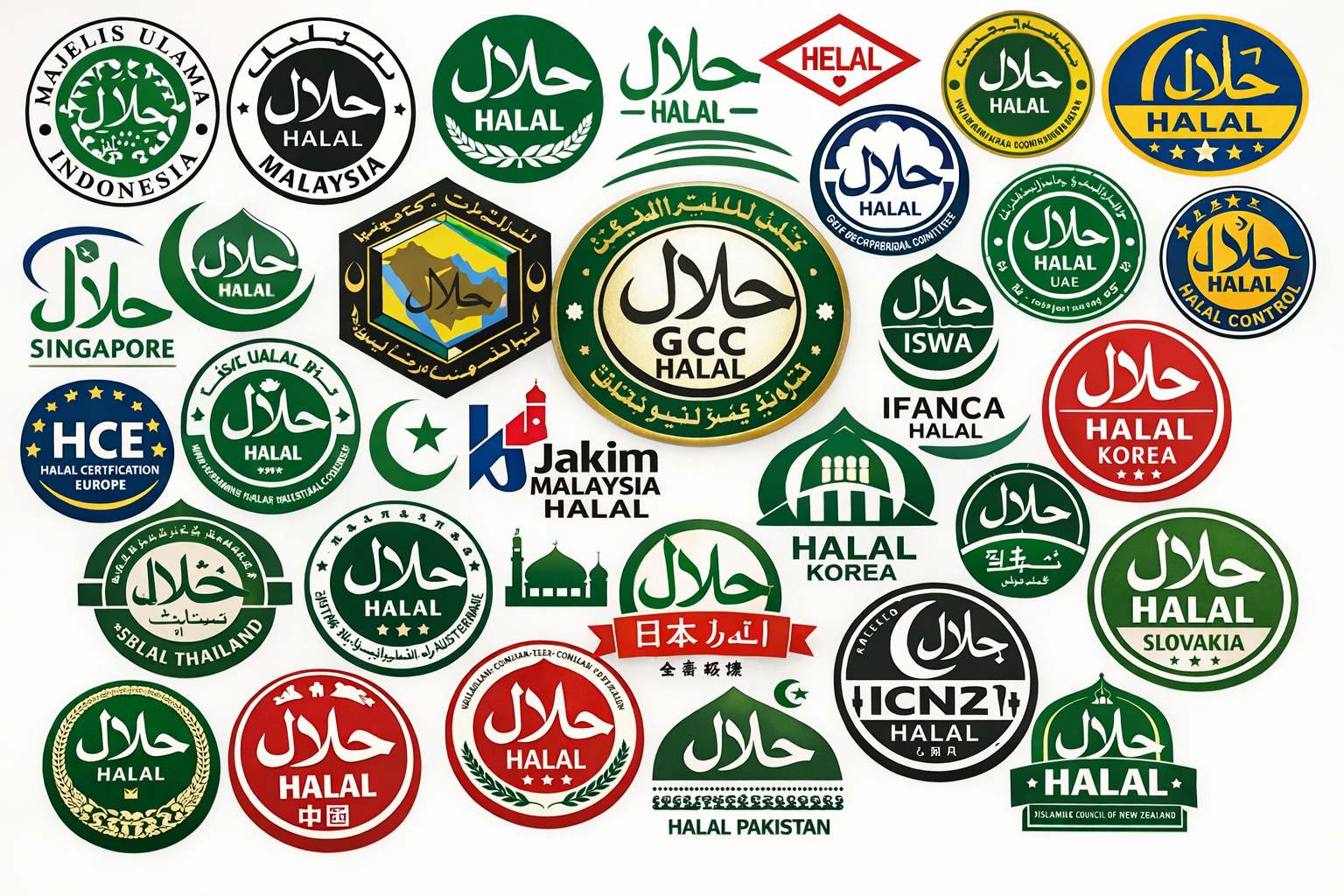
Vietnamese businesses benefit from official recognition of the Vietnam Halal Certification Agency by Malaysia’s Department of Islamic Development (JAKIM), which significantly streamlines market entry processes. This recognition enables Vietnamese products to meet established halal standards and gain easier access to Malaysia’s extensive distribution networks. The endorsement represents a crucial milestone in bilateral trade relations and provides Vietnamese companies with credible pathways to halal market participation.
– Digital Platform Integration
Vietnamese businesses can now leverage Malaysia’s first business-to-business halal e-commerce platform, Salaam Market, to introduce halal-certified products to Malaysian consumers and distributors. This digital marketplace provides direct access to established distribution channels while reducing traditional barriers to market entry. Additionally, organized business matchmaking programs connect Vietnamese manufacturers with local suppliers and partners, facilitating complete halal supply chain development and operational integration.
Government Support and Trade Facilitation
– Malaysian Trade Promotion Initiatives
Zaimah Osman, representing Malaysia’s Trade Section at the Consulate General, emphasized Malaysia’s commitment to supporting Vietnamese businesses in exploring halal market opportunities through MATRADE’s network and business connection initiatives. MATRADE, operating under Malaysia’s Ministry of Investment, Trade and Industry, actively promotes Malaysian exports globally while facilitating international partnerships. Malaysia’s pioneering recognition of Vietnam’s Halal Certification Agency demonstrates governmental commitment to bilateral trade development and mutual economic benefit.
– Local Government Engagement
Ho Thi Quyen, deputy director of the Ho Chi Minh City Investment and Trade Promotion Center, recognized the halal industry’s rapid expansion across consumer demand and global supply chains. She identified the current period as particularly favorable for Vietnamese enterprises in poultry, agriculture, seafood, and food processing sectors to pursue halal market opportunities through professional and strategic approaches. Her perspective reflects local government understanding of halal market potential and commitment to supporting business development in this sector.
Bilateral Cooperation Framework
The cooperation between Malaysia and Vietnam in halal certification demonstrates significant potential for expanded collaboration in the halal food sector. Malaysia’s internationally recognized halal standards complement Vietnam’s establishment of the National Halal Certification Center (HALCERT) under the Ministry of Science and Technology as the country’s focal point for halal certification. This agency collaborates closely with international experts, including Malaysian specialists, ensuring alignment with global best practices and standards.
Implementation Challenges and Barriers
Despite substantial opportunities, Vietnamese businesses face significant challenges in halal market entry, particularly regarding the limited number of organizations authorized to issue halal certificates domestically. The associated certification costs can be prohibitive for small and medium-sized enterprises, creating financial barriers to market participation. Additionally, certain requirements prove difficult to meet domestically, such as the stipulation requiring Muslim supervision of production processes, which creates substantial operational barriers for Vietnamese companies targeting Muslim-majority markets.
Dr. Phu Van Han of Hung Vuong University highlighted Vietnam’s lack of internationally recognized halal certification bodies as a fundamental challenge. Domestic certification efforts remain fragmented, lacking coordination among relevant agencies and falling short of international standards and best practices. Most Vietnamese companies involved in food and agricultural processing operate as small and medium enterprises with limited financial resources, weak management capabilities, and insufficient knowledge of halal standards, further compounding market entry difficulties.
The academic perspective emphasizes Vietnam’s need for comprehensive, coordinated, and long-term vision development for halal industry growth. This approach should integrate institutional reform, enhanced business competitiveness, high-quality human resource development, and proactive international cooperation promotion. The current lack of strategic orientation and insufficient information access discourage many businesses from exploring halal market opportunities, suggesting need for systematic government and industry support.
Trade Performance and Future Potential
– Current Bilateral Trade Relations
Trade statistics from Vietnam’s Customs Department indicate total trade turnover between Vietnam and Malaysia reached 7.7 billion dollars in the first half of 2025, representing a 6% increase compared to the same period in 2024. Vietnamese exports to Malaysia accounted for 2.5 billion dollars of this total, with primary export categories including machinery, equipment, and spare parts, computers, electronics and components, iron and steel products, gasoline, and chemicals.
– Growth Opportunities Assessment
Vietnamese products demonstrate significant potential for export growth in the Malaysian market, which offers strong purchasing power, diverse consumer demands, and cultural affinity with Vietnamese goods. The combination of established trade relationships, growing halal market demand, and supportive certification frameworks creates favorable conditions for expanded Vietnamese business participation in Malaysia’s halal economy and broader Southeast Asian markets.
Original Article:
The investor. (2025, August 10). Halal market presents major opportunities for Vietnamese businesses. https://theinvestor.vn/halal-market-presents-major-opportunities-for-vietnamese-businesses-d16585.html