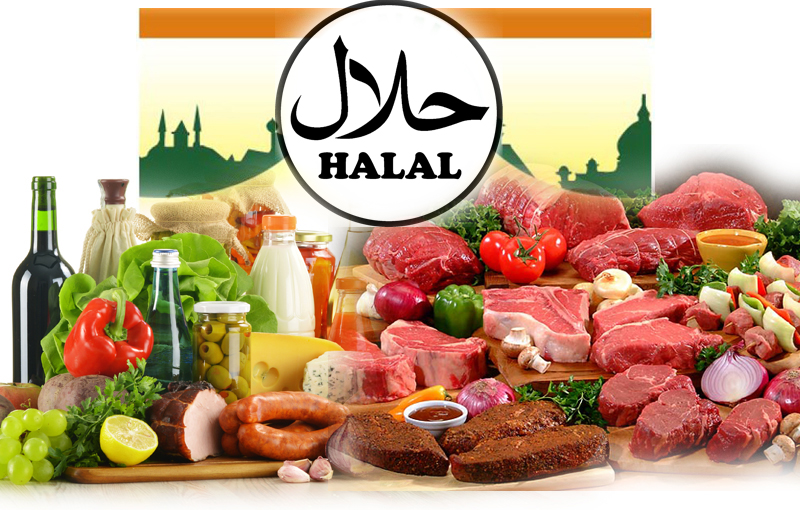
The Hidden Crisis in Indonesia’s Halal Meat Industry: Challenges and Solutions
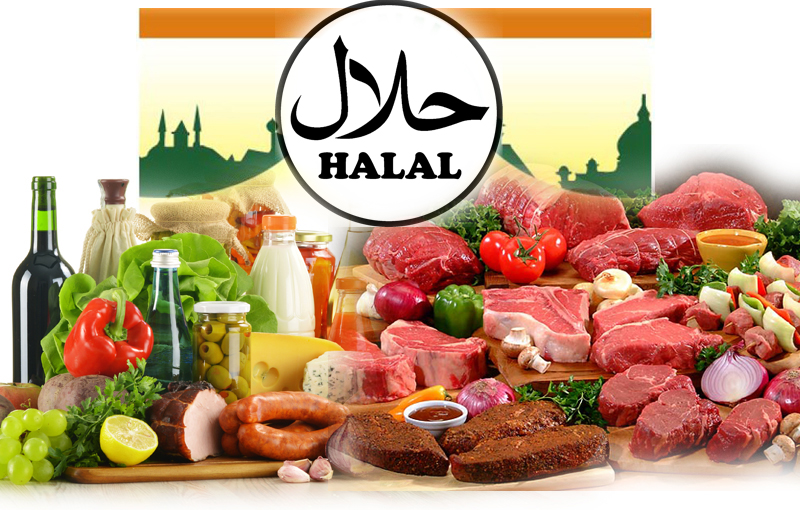
source: madaninews.com
Kawaguchiko, Japan – Indonesia’s culinary industry, particularly those offering meat as their main menu, has been growing rapidly in recent years. One emerging trend is the rise of restaurants promoting the halal concept with meat as their primary ingredient. This development is inseparable from the increasing demand for food that is considered not just a necessity but also part of the lifestyle of Indonesia’s Muslim community. Restaurants using meat as their main ingredient, both from local brands and international franchises, are increasingly sought after by Indonesian consumers.
However, behind the booming industry, there are various problems related to the halal status of the meat being used. The halal status of meat has become a major concern for consumers and business owners, especially regarding the quality and authenticity of raw materials. Recently, the public was shocked by reports of fraudulent practices, where some restaurants claiming to use beef were actually using other ingredients, such as pork or even rat meat. This problem indicates a significant gap in the halal supervision and certification system in Indonesia. One of the main problems in ensuring the halal status of meat in Indonesian restaurants is the inadequacy of halal meat standardization. There are three main factors influencing this issue: business actors, government, and consumers.
1. Business Actors
Many restaurant owners lack awareness of the criteria and procedures for processing halal food ingredients. Some even choose to substitute beef with other meats that are cheaper and more readily available to maximize profits. Additionally, some do not properly separate the processing of halal and haram meat, causing the mixing of ingredients that do not comply with Islamic law. Strict separation between halal and haram ingredients is crucial to guarantee the halal status of the food served.
2. Government
Although the government has established the Halal Product Assurance Agency (BPJPH) to handle halal certification issues, the implementation of existing policies is still lacking firmness. The government tends to focus on business actors who provide significant profits rather than giving equal attention to small or medium-sized businesses that prioritize the halal status of their products.
The process of obtaining halal certification is also considered expensive and complicated, making it difficult for many local food businesses. A concrete example is the experience of Almaz Fried Chicken, which had to spend billions of rupiah and wait up to six months to obtain a single halal certificate.
Meat import policies are also a serious concern. Most of the meat used by restaurants in Indonesia is imported from non-Muslim countries, such as Australia and Brazil. This raises questions about the halal status of imported meat, as there is no guarantee that all slaughtering and processing procedures abroad comply with established halal standards. These meat imports also harm local farmers, as imported meat is cheaper and more preferred by the market.
3. Consumers
Many consumers are not yet aware of the importance of ensuring the halal status of the food they consume. Most assume that all food in Indonesia is already guaranteed halal, when in reality this is not always the case. Food service applications like GoFood, for example, do not always display halal signs for registered restaurants. This makes it difficult for consumers to ensure whether the food they order is truly halal. Therefore, consumers need to be more thorough and conduct research first regarding the restaurants or products they choose.
Solutions for Creating a Conducive Halal Meat Industry

source: halalfood.councilusa.com
To address these issues, close coordination between the government, business actors, and consumers is needed. Here are several solutions that can be implemented:
- The government must be more assertive in monitoring and enforcing policies related to halal certification, as well as increasing the number of accredited halal assurance institutions (LPH). The halal certification process must also be simplified and made more affordable for small and medium businesses. Additionally, the government needs to reduce dependence on meat imports from non-Muslim countries and support local farmers to meet the domestic demand for halal meat.
- Business actors need to better understand the importance of implementing strict halal standards and maintaining transparency in meat processing. They must also pay attention to business ethics and not just pursue profits, but also ensure their products are safe and comply with Islamic law.
- Consumers must be wiser in choosing the food they consume. They need to check whether the restaurants or products they choose already have valid halal certificates and ensure that the food they order is truly halal.
The halal meat industry in Indonesia has great potential, but problems related to halal status and the quality of raw materials must be addressed immediately. The government, business actors, and consumers must work together to ensure that halal standards in the food industry can be properly met. With good cooperation, Indonesia can have a high-quality halal meat industry that is safe for all groups.
References
Amam, A., & Haryono, H. (2021). Quality of imported beef in Indonesia. Jurnal Sain has Peternakan Indonesia, 16(3), 277-282.
Cahyani, P. T., Shaleh, C., & Rasyid, F. A. (2025). Kontribusi Politik Ekonomi Pertanian dalam Penyediaan Bahan Baku Halal di Indonesia. Al-Muzdahir: Jurnal Ekonomi Syariah, 7(1), 111-125.
Danasari, I. F., Sari, N. M. W., Septiadi, D., & Supartiningsih, N. L. S. (2023). Dependency on beef import to support food security in Indonesia. IOP Conference Series: Earth and Environmental Science, 1253, 012088.
Ikawati, R., Erwanto, Y., & Purnomo, B. R. (2024). Are online meatball restaurants in Indonesia committed to their declared Halal label? Veterinary World, 17(4), 778–784.
Pratama, C. I. (2025). KEBIJAKAN LUAR NEGERI INDONESIA TERHADAP IMPOR DAGING SAPI BRAZIL PASCA KASUS SENGKETA DAGANG (BOVINE MEAT) TAHUN 2022. Global Insights Journal: Jurnal Mahasiswa Hubungan Internasional, 2(1).
Republika. (2023). Bikin sertifikasi halal, pemilik Almaz Fried Chicken diminta miliaran, ini kata LPPOM MUI. Khazanah Republika. https://khazanah.republika.co.id/berita/srgwxp366/bikin-sertifikasi-halal-pemilik-almaz-fried-chicken-diminta-miliaran-ini-kata-lppom-mui-part2


