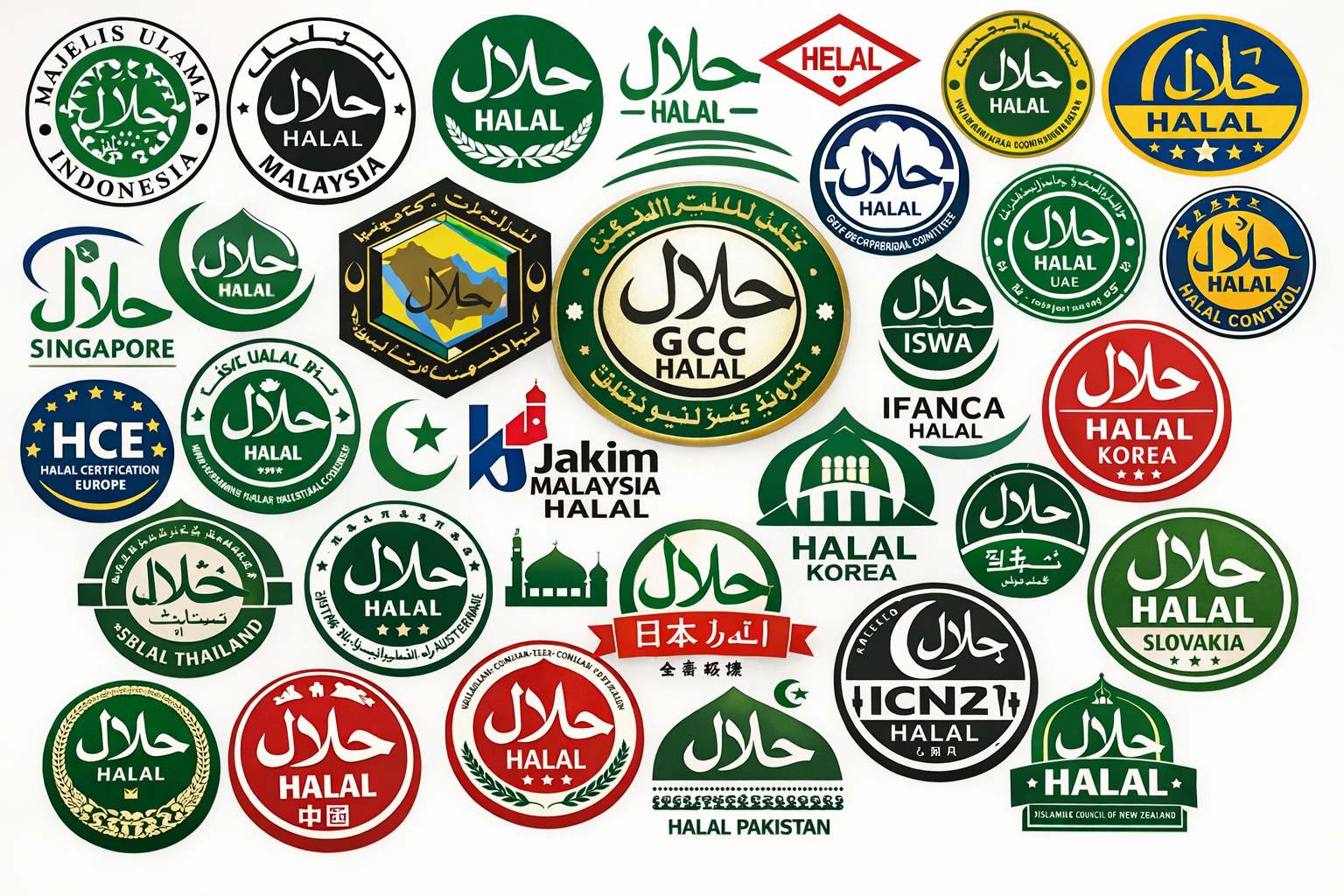
The Rise of Halal-Certified Beauty Products in Southeast Asia
(Source: marketing-interactive.com)
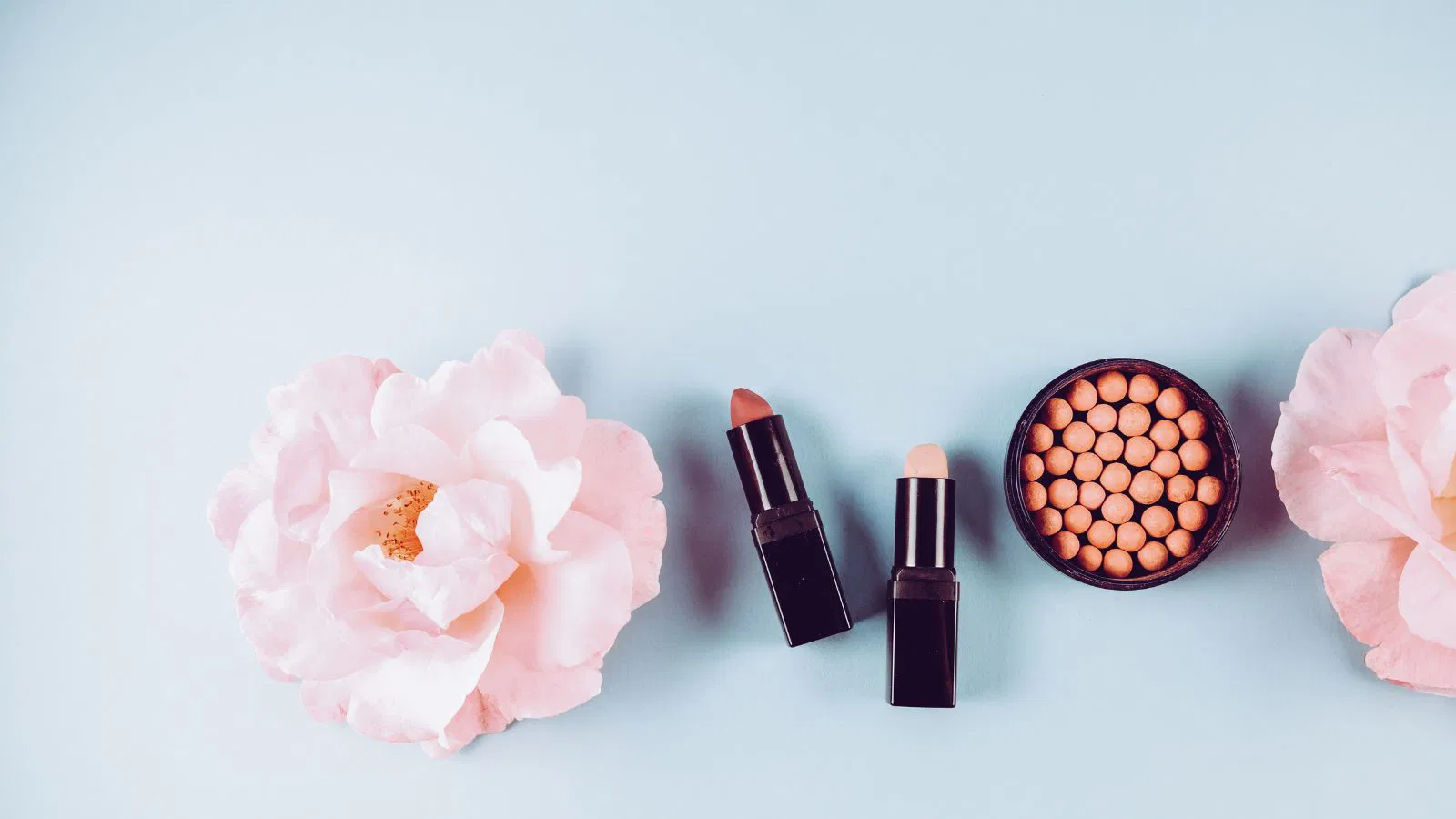
The halal-certified beauty and personal care industry is experiencing remarkable expansion across Southeast Asia. What was once considered a specialized market segment has evolved into a substantial business opportunity worth $4.8 billion, with Indonesia and Malaysia alone contributing over 10% of the Asia Pacific region’s growth.
Market Expansion Beyond Traditional Boundaries
According to NielsenIQ’s 2024 report on oral and personal care trends, demand for halal beauty products is spreading to countries with smaller Muslim populations, including Vietnam and South Korea. These nations are working to establish official regulations for halal products to tap into the Muslim consumer market.
In Singapore’s diverse society, purchasing behaviors vary among different ethnic groups for oral and personal care products:
- Malay households: Make 13 shopping trips annually, spending approximately SG$178 per household
- Chinese households: Make 9 trips yearly, spending around SG$143 per household
- Indian and other households: Make 12 trips annually, spending about SG$180 per household
Industry Growth and Global Projections
The worldwide halal cosmetics sector was valued at $69.1 billion in 2024 and is expected to reach $152.4 billion by 2030, representing a compound annual growth rate of 14.1%. Major international consumer goods companies and prominent East Asian brands are entering this market to serve Muslim consumers while appealing to broader audiences.
Many halal-focused beauty companies are diversifying their offerings to include toothpaste, deodorants, and hair care products designed for local consumer preferences.
Key Growth Drivers
Several interconnected factors are fueling this market expansion:
- Demographic Changes: The growing global Muslim population, particularly in the Middle East, Southeast Asia, and parts of Africa, creates increased demand for religiously compliant beauty products.
- Ethical Consumerism: Rising consumer interest in ethical and sustainable beauty aligns with halal principles, as these products are cruelty-free and produced through environmentally conscious methods.
- Economic Factors: Increasing purchasing power in emerging markets, especially those with significant Muslim populations, enables greater spending on premium halal-certified products.
- Consumer Education: Growing awareness about halal certification benefits—including product purity, safety, and ethical manufacturing—encourages consumers to pay premium prices for certified products.
- Trust and Quality Assurance: Halal certification serves as a quality guarantee, assuring consumers that products meet strict cleanliness, safety, and ethical standards.
Digital Influence and Accessibility
Social media platforms like Instagram, YouTube, and TikTok play a crucial role in market growth. Beauty influencers who focus on ethical and clean beauty increasingly feature halal-certified products, raising awareness among their followers and expanding the market reach.
Online shopping platforms have revolutionized product accessibility, allowing consumers worldwide to purchase halal beauty products regardless of location. This digital accessibility has enabled halal beauty brands to enter new markets and expand their customer base significantly, contributing to overall market growth.
Original Article:
Staff Writer. (2025, August 24). What you need to know about the booming Halal-certified beauty market in SEA. Marketing-Interactive. https://www.marketing-interactive.com/halal-certified-beauty-market-booms-across-sea