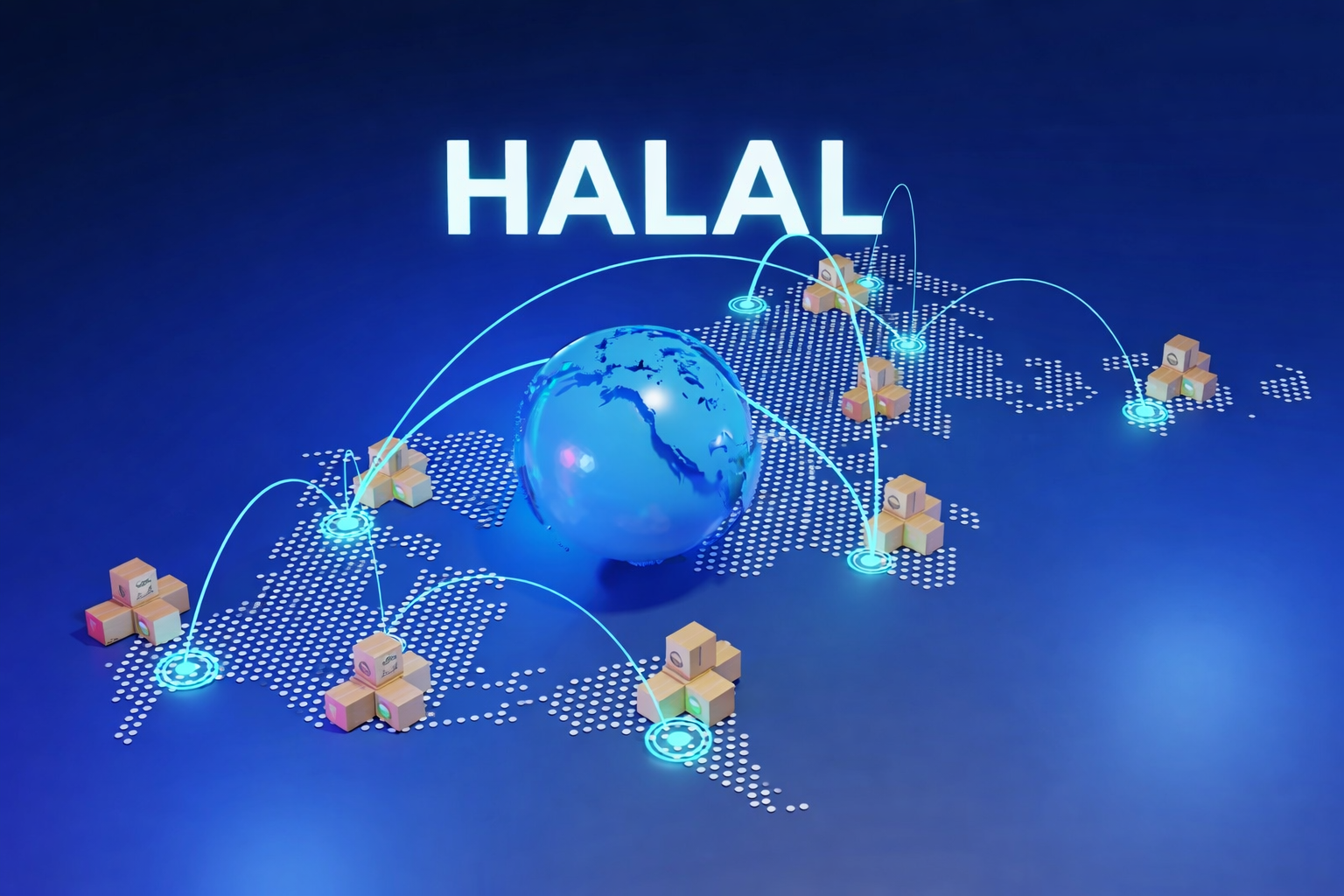
Indonesia’s Halal Cosmetics Industry: Untapped Global Market Potential
JAKARTA – Indonesia stands at the threshold of becoming a major force in the global beauty industry, particularly in the rapidly expanding halal cosmetics segment. Despite the country’s natural advantages and growing export figures, there remains significant untapped potential in international markets.
Current Export Performance and Market Gap
The Indonesian cosmetics industry has achieved notable export success, generating US$486.38 million in 2024 according to Statistics Indonesia (BPS). This performance positions Indonesia as the world’s 38th largest cosmetics exporter. However, when viewed against the broader global context, this figure represents less than one percent of the total international demand.
The global cosmetics market presents enormous opportunities, with projections showing growth from US$75.65 billion to US$114.69 billion by 2025. Industry analysts forecast a compound annual growth rate (CAGR) of 3.96% through 2030, highlighting the substantial room for Indonesian companies to expand their market share.
Strategic Advantages in Natural and Halal Segments
Indonesia possesses unique competitive advantages that could propel it to industry leadership. The country ranks as the world’s second-richest nation in biobotanical resources, providing an extensive foundation for natural cosmetics development. This natural wealth, combined with Indonesia’s position as the world’s largest Muslim population, creates a powerful synergy for halal cosmetics production.
Deden Muhammad FS, Director of Manufacturing Export Development at the Ministry of Trade, emphasizes that Indonesia’s minimal current market share actually represents a significant opportunity. “The country has tremendous potential not only due to abundant natural ingredients but also through its strength in the halal cosmetics segment,” he explains.
Geographic Focus and Market Expansion
Indonesian cosmetics exports currently concentrate primarily on Southeast Asian markets, including Malaysia, Thailand, and Singapore. The Middle East, particularly the United Arab Emirates, has also become an important destination given Indonesia’s halal certification capabilities.
However, the Ministry of Trade is actively encouraging businesses to explore non-traditional markets with promising potential, including South Asia, Africa, Russia, and Latin America. To support this expansion, the ministry has launched the BISA program (Berani Inovasi, Siap Adaptasi – Dare to Innovate, Ready to Adapt) to strengthen small and medium enterprises for global market entry.
Balancing Export Growth with Domestic Market Protection
While pursuing international expansion, Indonesian policymakers recognize the critical importance of protecting the domestic market. With over 280 million inhabitants, Indonesia represents both a significant opportunity and a vulnerable target for foreign beauty products, particularly from China, South Korea, and Thailand.
The government has implemented cross-ministerial coordination to establish protective measures, including non-tariff barriers, technical requirements, and initiatives promoting domestic product usage. This dual approach aims to secure the home market while building capacity for international competition.
Industry Vision: Halal Cosmetics Leadership
Solihin Sofian, Chairman of the Indonesian Cosmetics Companies and Associations (PPAK), advocates for leveraging Indonesia’s distinctive identity through halal and thematic cosmetics. He notes that halal cosmetics transcend religious labeling, being increasingly recognized internationally as healthy and environmentally friendly products.
This strategic positioning has already yielded results, with Indonesia rising from fifth to third place globally in the halal cosmetics industry rankings. The country’s rich biobotanical heritage provides the foundation for thematic products that distinguish Indonesian brands from international competitors.
Addressing Industry Challenges
Despite promising prospects, the Indonesian cosmetics industry faces significant structural challenges. Industry leaders acknowledge that the lack of an integrated ecosystem remains the primary obstacle to sustained growth.
Building a comprehensive ecosystem requires coordinating the entire value chain, from local raw material supply to research and development, skilled human resources, and collaboration with universities and research institutions like BRIN (National Research and Innovation Agency). Such integration could reduce logistics costs, increase domestic component levels, and enhance industry independence.
Educational institutions play a crucial role in this ecosystem development, with efforts underway to prepare graduates who can immediately contribute to the cosmetics industry rather than requiring extensive additional training.
International Platform and Future Outlook
The IndoBeauty Expo 2025 serves as a showcase for Indonesian cosmetics innovation, featuring over 120 participants representing more than 250 brands from nine countries, including the UAE, South Korea, Thailand, Hong Kong, Malaysia, Taiwan, Japan, and China.
CEO of Krista Exhibition Daud D Salim describes the event as “a golden opportunity to demonstrate potential, expand business networks, and explore strategic collaborations with global markets.”
Conclusion
Indonesia’s cosmetics industry stands poised for significant growth, supported by natural resource advantages, religious demographic alignment, and growing government support. The combination of halal certification capabilities, biobotanical wealth, and strategic market positioning creates a unique value proposition for international markets.
Success will depend on building integrated industry ecosystems, maintaining domestic market protection while pursuing international expansion, and leveraging Indonesia’s distinctive cultural and natural advantages. With coordinated effort from government, industry associations, and educational institutions, Indonesia has the potential to become the global icon of halal cosmetics.
Original Article:
Hypeabis. (2025, September 2). Potensi Besar Kosmetik Halal Indonesia di Pasar Global, Ekspor Capai US$486 Juta. Retrieved from https://hypeabis.id/read/51179/potensi-besar-kosmetik-halal-indonesia-di-pasar-global-ekspor-capai-us486-juta