US-Indonesia Trade Framework: Implications for Cosmetics and Healthcare Product Imports
JAKARTA – A new bilateral trade framework between the United States and Indonesia promises significant changes to import regulations, potentially affecting certification and labeling requirements for American cosmetics and medical devices entering the Indonesian market.
Trade Agreement Overview
The comprehensive trade framework emerged following President Donald Trump’s decision to reduce tariff rates on Indonesian products from 32% to 19%. This tariff adjustment prompted negotiations that resulted in a joint statement released by the White House on Tuesday, July 22nd (US time), outlining mutual trade concessions.
According to the White House statement, Indonesia has committed to addressing various non-tariff barriers that have previously complicated American exports to the archipelago nation.
Certification and Labeling Exemptions
One of the most significant provisions in the agreement involves the elimination of certain regulatory requirements for American products. The framework specifically mentions that “Indonesia will address various non-tariff barriers, including exempting cosmetics exports, medical devices, and other manufactured goods from the US from burdensome certification and labeling requirements.”
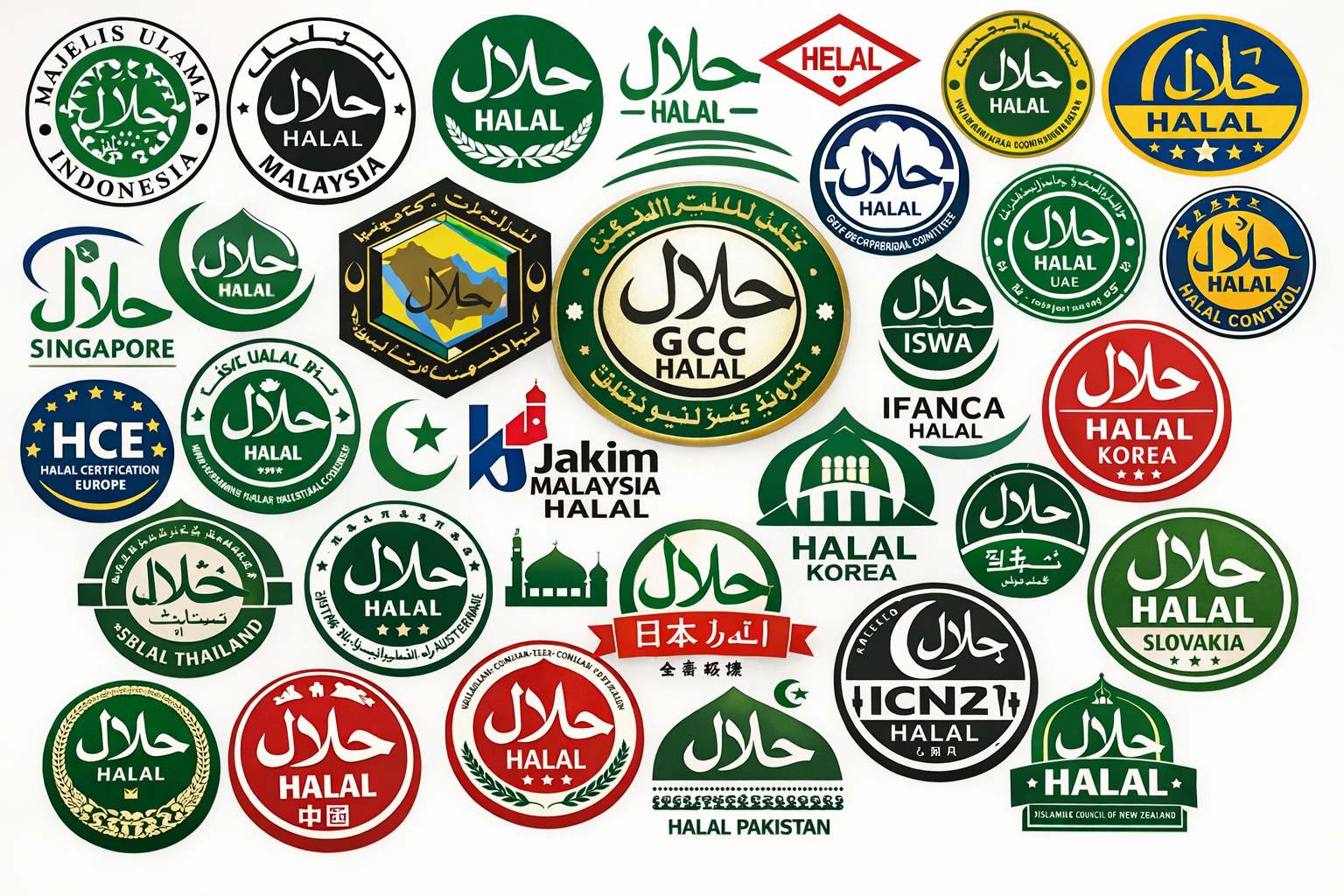
However, critical details remain unclear, particularly regarding whether these exemptions extend to halal certification requirements—a matter of considerable importance given Indonesia’s status as the world’s largest Muslim-majority nation.
Despite attempts to obtain clarification from the Coordinating Ministry for Economic Affairs Secretary Susiwijono, no official response had been received at the time of reporting, leaving uncertainty about the scope of these regulatory changes.
Broader Import Facilitation Measures
The trade framework extends beyond certification exemptions to encompass several other import facilitation measures. American manufactured products and their components will benefit from the removal of licensing restrictions and requirements.
Additionally, Indonesia has agreed to eliminate pre-shipment inspections and verification requirements for goods imported from the United States, potentially streamlining the import process significantly.
Eight-Point Framework Details
The comprehensive agreement includes eight key provisions:
1. Asymmetric Tariff Structure
Under the new arrangement, all Indonesian exports to the US will face a 19% tariff, while American exports to Indonesia will enter duty-free at 0%. Previously, Indonesian goods faced an average 8% tariff in the US market, while American products encountered approximately 3% tariffs when entering Indonesia.
2. Local Content Requirement Exemptions
American imports will be exempt from Indonesia’s domestic component level (TKDN) requirements. The agreement also includes acceptance of US-manufactured vehicles meeting American standards and recognition of US Food and Drug Administration (FDA) certifications.
3. Agricultural Product Import Liberalization
American food and agricultural products will be exempted from import licensing regulations, including commodity balance policies. The framework ensures transparency and fairness while respecting geographical indications, particularly for meat and cheese products.
Indonesia will also provide fresh fruit and vegetable (FFVO) naming rights for all applicable US plant products and recognize American regulatory oversight, including approval of beef, poultry, and dairy facilities with US-issued certificates.
4. Third-Country Prevention Measures
Both nations will negotiate facilitative rules regarding product origin to ensure that US-Indonesia trade benefits are not exploited by third countries.
5. Digital Trade and Data Transfer Provisions
The framework addresses digital commerce, services, and investment commitments. Indonesia has agreed to eliminate tariff barriers on “intangible goods” under the US Harmonized Tariff System and defer related requirements for import declarations.
Significantly, Indonesia will provide certainty regarding the ability to transfer personal data to the US, with America being recognized as providing adequate personal data protection under Indonesian law.
6. Forced Labor Restrictions
Indonesia commits to adopting and implementing prohibitions on forced foreign labor imports while also removing restrictions on workers’ and unions’ freedom of association rights.
7. Mineral Export Restriction Removal
Indonesia will eliminate export bans on commodities to the US, including critical minerals—a provision that could significantly impact global supply chains.
8. Increased US Import Commitments
Indonesia pledges to increase imports from the United States, particularly in agricultural products, aerospace, and energy sectors, further expanding American export opportunities.
Market Access and Competitive Implications
This trade framework represents a substantial shift in US-Indonesia commercial relations, with potential ramifications extending beyond bilateral trade. The elimination of certification and labeling requirements for American cosmetics and medical devices could provide US companies with significant competitive advantages in the Indonesian market.
For the Indonesian cosmetics industry, which has been building its reputation around halal certification and natural ingredients, the entry of American products with reduced regulatory barriers could intensify market competition.
Regulatory Uncertainty and Industry Response
The ambiguity surrounding halal certification requirements remains a critical concern for industry stakeholders. Given Indonesia’s position as a global leader in halal cosmetics and the importance of religious compliance for Muslim consumers, clarification of this aspect will be essential for both American exporters and Indonesian regulators.
Industry associations, manufacturers, and regulatory bodies are likely monitoring developments closely as implementation details emerge. The framework’s impact on consumer choice, market dynamics, and regulatory consistency will become clearer as specific provisions are operationalized.
Conclusion
The US-Indonesia trade framework represents a significant evolution in bilateral commercial relations, with far-reaching implications for product access, regulatory compliance, and market competition. While the agreement promises reduced barriers for American exports, key questions regarding halal certification and other regulatory requirements remain unresolved.
As implementation proceeds, stakeholders across both countries will be watching closely to understand how these changes affect market dynamics, consumer protection, and competitive positioning in one of Southeast Asia’s largest consumer markets.
Original Article:
CNN Indonesia. (2025, September 2). Benarkah Kosmetik Cs Impor dari AS Akan Bebas Sertifikasi-Label Halal? Retrieved from https://www.cnnindonesia.com/ekonomi/20250723183448-92-1254120/benarkah-kosmetik-cs-impor-dari-as-akan-bebas-sertifikasi-label-halal