Etiqa Champions Ethical Finance, Community Empowerment at Philippines Halal Economy Forum
Malaysian ambassador keynotes Islamic finance session
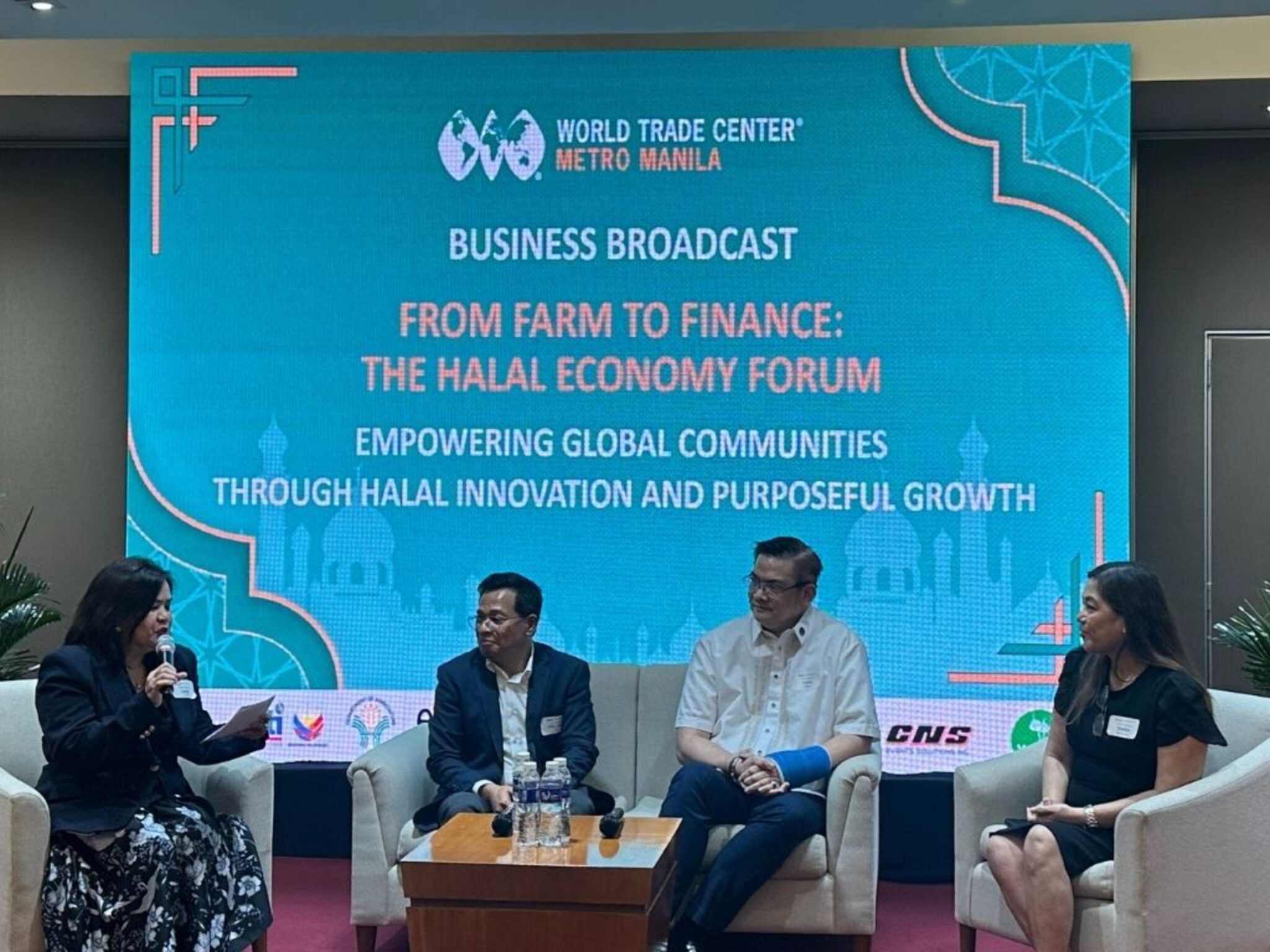
Etiqa Philippines joined industry leaders and policymakers at the Halal Economy Forum organized by the World Trade Center Metro Manila under its Business Broadcast Series. With the theme “From Farm to Finance: Empowering Global Communities through Halal Innovation and Purpose Growth,” the forum gathered experts from the Department of Trade and Industry (DTI), Bangko Sentral ng Pilipinas (BSP), Maybank Philippines, and Etiqa Philippines to discuss opportunities within the Halal economy and its role in fostering inclusive, ethical and sustainable development.
His Excellency Dato’ Abdul Malik Melvin Castelino Anthony, Ambassador of Malaysia to the Philippines, set the tone for the afternoon session on “Mainstreaming Islamic Finance.” His keynote opened discussions on the growing potential of Islamic finance in the Philippines. The session delved into key topics such as Islamic Banking Legislation and Emerging Opportunities in Islamic Banking and Financing; and Key Differences from Conventional Banking.
Industry leaders explore halal innovation pathways
As part of the program, Gladys Pascual, Head of Strategy and OIC Chief Operating Officer of Etiqa Philippines, participated in a high-level panel discussion alongside representatives from DTI, BSP and Maybank Philippines. The panel explored how Halal innovation can empower communities, promote financial inclusion, and strengthen purpose-driven economies.
Pascual stated that the forum reflects the shared belief that ethical finance and inclusive innovation can build stronger, more resilient communities. At Etiqa, they see their role not just as a provider of protection, but as a partner in advancing financial inclusion guided by integrity, cooperation, and shared growth.
Takaful insurance offers Shariah-compliant protection
This advocacy aligns closely with Etiqa Philippines’ Takaful Personal Accident Insurance, a Shari’ah-compliant and ethical way of protecting families through trust, mutual support, and shared responsibility. For as low as ₱1,400 per year, the Etiqa Takaful Personal Accident Plan offers affordable protection against life’s uncertainties, including accidental death, disability, and medical expenses resulting from accidents. A cashback benefit may also be granted when no claims are filed, no cancellations occur before expiry, and all contributions are paid in full during the certificate term.
Don Divinagracia, Head of Takaful at Etiqa Philippines, stated that through Etiqa Takaful Personal Accident Insurance, they aim to make financial protection accessible to every Filipino—guided by the values of fairness, compassion, and collective well-being. It’s a meaningful way to help families stay secure while staying true to their faith and principles.
Community empowerment drives corporate mission
By supporting platforms like the Halal Economy Forum, Etiqa Philippines reinforces its vision of creating a more inclusive and purpose-driven financial ecosystem—one that empowers individuals and strengthens communities across the country. Through this advocacy, the company continues to champion ethical innovation, shared prosperity, and community empowerment, reflecting Etiqa’s unwavering mission to make the world a better place, one community at a time.
Islamic finance gains Philippine traction
The forum’s prominence—featuring central bank, trade ministry, and diplomatic representation—signals Philippine government interest in Islamic finance as a tool for financial inclusion within the country’s 11% Muslim minority (approximately 12 million people), concentrated in Mindanao. Takaful insurance, based on mutual cooperation rather than conventional risk transfer, aligns with Islamic prohibitions against gharar (excessive uncertainty) and riba (interest), offering Shariah-compliant alternatives to conventional insurance products.
Etiqa’s ₱1,400 annual premium positioning emphasizes affordability, targeting lower-income segments often excluded from conventional insurance due to cost barriers. The cashback feature—returning contributions when no claims occur—differentiates takaful from conventional insurance where premiums are never returned, potentially appealing to cost-conscious consumers regardless of religious affiliation.
Malaysia’s diplomatic engagement reflects strategic interest in expanding its Islamic finance expertise regionally. As a global Islamic finance leader, Malaysia benefits from exporting financial products, consulting services, and regulatory frameworks to countries developing Shariah-compliant financial systems. The ambassador’s keynote likely promoted Malaysian institutions as partners for Philippine Islamic finance development.
The “Farm to Finance” theme connecting halal food production with Islamic finance illustrates ecosystem thinking where halal certification, Shariah-compliant financing, and takaful insurance create integrated value chains serving Muslim consumers plus businesses. For the Philippines, developing such ecosystems could stimulate Mindanao economic development while addressing financial inclusion gaps affecting Muslim communities historically marginalized within the predominantly Catholic nation.
Original Article:
Inquirer Business. (2025, October 20). Etiqa champions ethical finance and community empowerment at the Halal Economy Forum. Retrieved from https://business.inquirer.net/553460/etiqa-champions-ethical-finance-and-community-empowerment-at-the-halal-economy-forum/amp