Saudi Beauty Industry Projected to Hit $10.84 Billion by 2031 Through Vision 2030 Initiatives
The Saudi Arabian beauty and personal care sector presents substantial opportunities driven by growing female workforce involvement, heightened interest in halal-certified and clean-beauty products, and social media-influenced trends. Though regulatory complexity creates obstacles, domestic brands can capitalize on cultural understanding and digital channels to secure growth, particularly within cosmetics.
The Saudi Arabia beauty and personal care market is positioned for notable expansion, with forecasts estimating growth from USD 7.56 billion in 2025 to USD 8.03 billion in 2026, eventually achieving USD 10.84 billion by 2031. This anticipated development is supported by a compound annual growth rate of 6.17% between 2026 and 2031. Primary factors propelling this trajectory include changing consumer patterns, regulatory modernization, and the Kingdom’s ambitious Vision 2030 program. A significant result of these transformations has been the increase in female workforce participation to 36% by early 2023, exceeding original objectives.
Personal care products currently account for the largest spending category, though decorative cosmetics are witnessing rapid volume expansion, stimulated by evolving social conventions and increased makeup adoption among professional women. The combination of elevated female labor participation, rigorous halal certifications, and Vision 2030 tourism goals is establishing favorable conditions for brands that harmonize effectiveness with cultural principles. Clean-beauty brands are gaining momentum by satisfying halal, ethical, and skin-health requirements through formulations adapted to the desert environment. While multinational corporations typically dominate the market, local digital-focused brands are discovering specialized opportunities through influencer partnerships and regulatory knowledge.
Saudi Arabia Beauty and Personal Care Market Developments and Analysis
Significant Social Media Impact on Beauty Trends: Platforms including Instagram, TikTok, and Snapchat have transformed product discovery for Gen Z Saudi women, converting brand development into an influencer-centered pursuit. Social and chat commerce platforms, including WhatsApp and Instagram Shopping, now serve as principal channels for online beauty transactions. This landscape advantages agile digital-native brands over established companies that may demonstrate slower market adaptation.
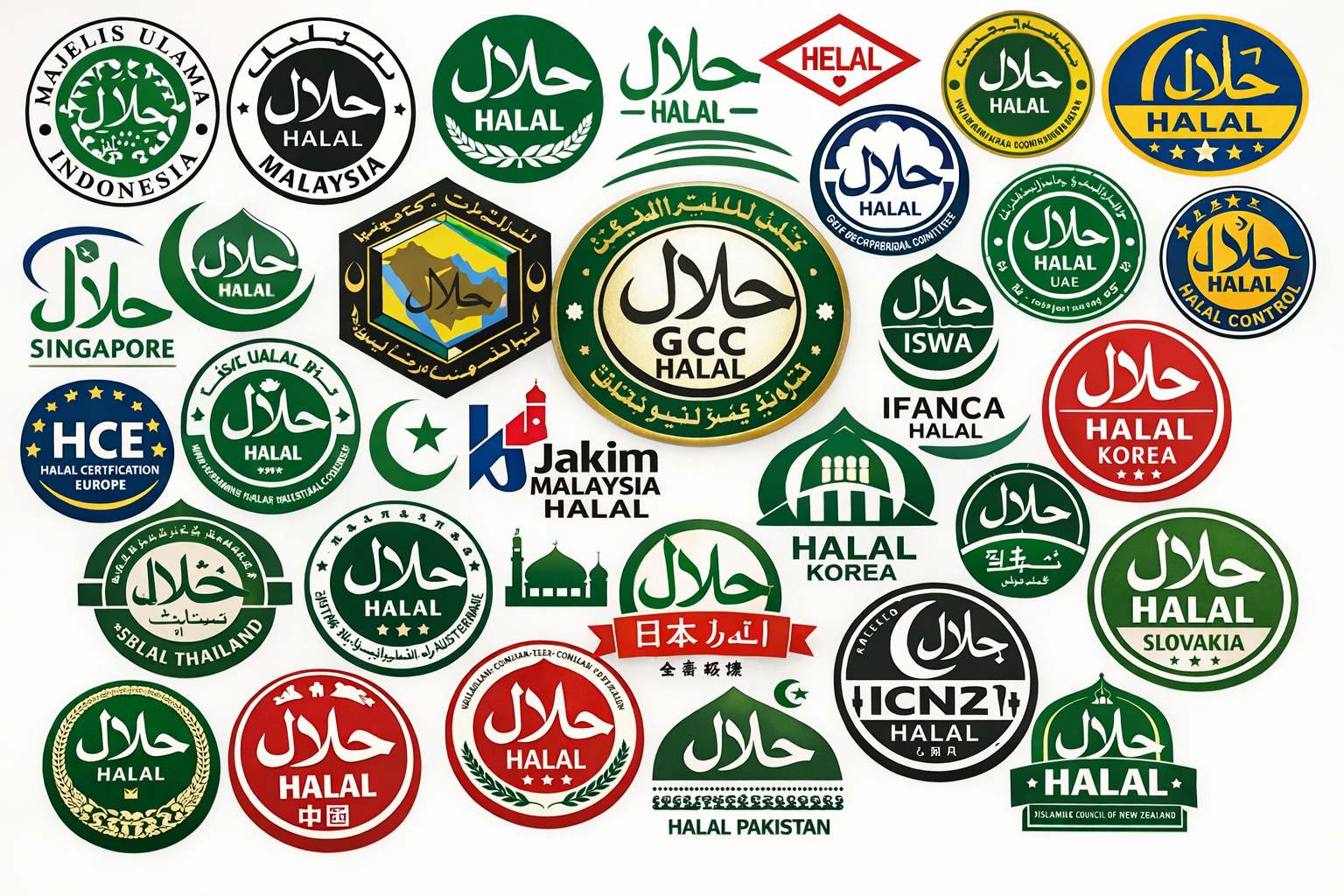
Growing Interest in Halal-Certified Cosmetics: The Saudi Food and Drug Authority (SFDA) and the GCC Standardization Organization’s GSO 1943:2024 standard have created strict compliance structures that differentiate the Saudi market from secular markets. The halal certification procedure covers ingredient procurement, production methods, and packaging, creating challenges for international brands unfamiliar with Islamic requirements. This demand intersecting with preferences for natural and botanical components establishes a specialty for clean-beauty offerings.
Strict Regulatory Standards Impede Expansion: SFDA requires pre-market notification for cosmetics, necessitating extensive documentation and adherence to local standards. Combined with customs charges and import documentation requirements, these regulations can postpone market entry for foreign brands, benefiting companies with domestic manufacturing capabilities to avoid import-related complications.
Additional significant factors involve men’s grooming expansion, increased grooming requirements due to rising female workforce participation, and threats from counterfeit products.
Segment Examination: Within the marketplace, personal care products are anticipated to maintain a commanding 86.64% share in 2025, with cosmetics and makeup experiencing elevated growth rates driven by changing social standards. The premium segment, benefiting from dermatological validation and association with international luxury brands, is positioned for a 6.62% compound annual growth rate through 2031. Shiseido’s purchase of Dr. Dennis Gross Skincare for Middle East expansion highlights the significance of premium growth.
The mass market’s sustained popularity stems from its accessibility through supermarkets and hypermarkets, while premium products concentrate more heavily in prosperous urban areas like Riyadh and Jeddah.
The analysis segments the market by Product Type (Personal Care, Cosmetics/Makeup), Category (Premium, Mass), Ingredient Type (Natural, Organic), and Distribution Channel, offering comprehensive analysis valuable for industry participants.
Companies Included in this Analysis:
- L’Oreal S.A.
- Unilever PLC
- The Procter & Gamble Company
- The Estee Lauder Companies Inc.
- Beiersdorf AG
- Coty Inc.
- Shiseido Company, Limited
- Kao Corporation
- Henkel AG & Co. KGaA
- Revlon, Inc.
- Avon Products, Inc.
- Colgate-Palmolive Company
- LVMH Moet Hennessy Louis Vuitton SE
- Natura & Co
- Mary Kay Inc.
- The Body Shop International Ltd.
- Bath & Body Works, Inc.
- Wella Company
- Godrej Consumer Products Ltd.
- Johnson & Johnson
ResearchAndMarkets.com serves as the world’s premier source for international market research reports and market information. The platform delivers current data on international and regional markets, leading industries, major companies, new products and emerging trends.
Source:
Yahoo Finance UK. (2026). Saudi beauty market to reach USD 12 billion. Yahoo Finance.
https://uk.finance.yahoo.com/news/saudi-beauty-market-reach-usd-120300123.html