From Boycott to Blessing: How Palestine Solidarity Transformed Indonesia’s Small Business Landscape
Source: Rellease ID
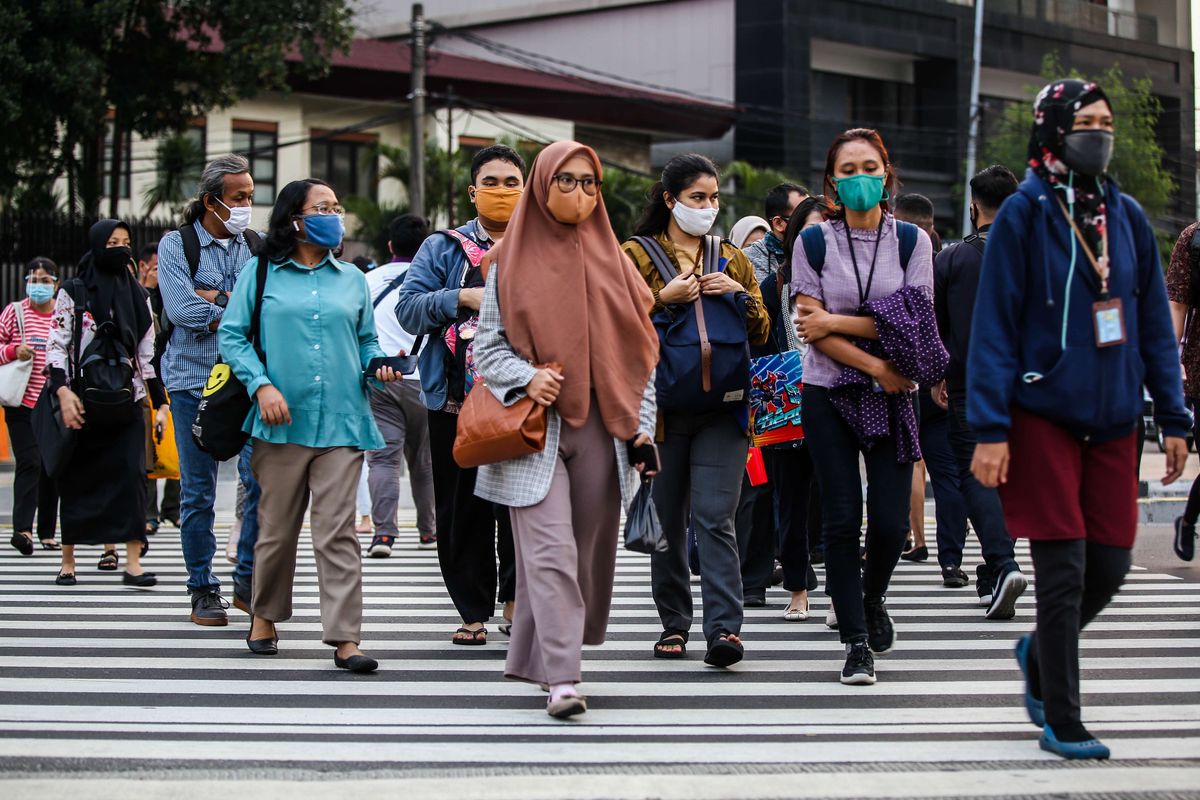
Jakarta, Indonesia – Since the escalation of the Israel-Palestine conflict in late 2023, waves of Muslim solidarity worldwide have taken various forms—from protests and fundraising to boycotts of Israel-affiliated products. In Indonesia, home to the world’s largest Muslim population, this boycott movement has evolved beyond religious solidarity into something unprecedented: a catalyst for the remarkable rise of local small and medium enterprises (SMEs).
This phenomenon demonstrates how collective action driven by moral values can create positive economic ripple effects for domestic markets. This article analyzes how the boycott movement unexpectedly became a springboard for Indonesian SME growth and explores whether this momentum can be sustained long-term.
The Spark That Lit the Fire: Origins of the Boycott Movement
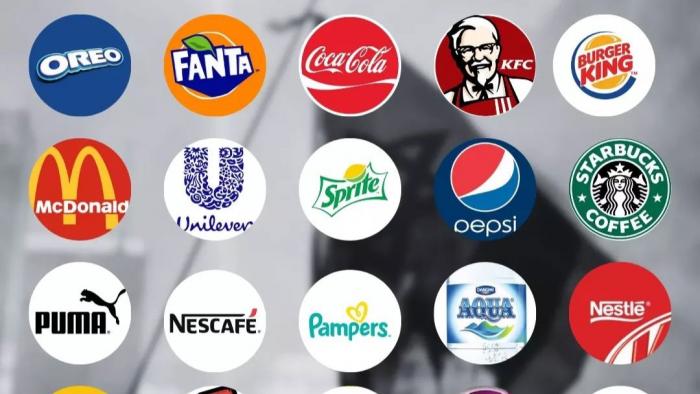
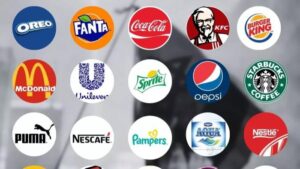
The boycott against products perceived as supporting Israel began as a response to military strikes on Gaza. Global brands like Starbucks, McDonald’s, KFC, Puma, Hyundai, and various other companies considered to have affiliations or provide support to Israel became primary targets of the boycott campaign.
In Indonesia, this movement gained extraordinary momentum through social media and grassroots education campaigns. Communities actively shared information about products to boycott while simultaneously promoting available local alternatives.
The Plot Twist: When Boycotts Became Business Boosters
The Great Coffee Revolution: David vs. Goliath in a Cup
Source: Padek Jawapos
Starbucks, as one of the main boycott targets, experienced significant sales decline. PT Sari Coffee Indonesia, Starbucks’ franchise holder in Indonesia, reported a 30-35% sales drop due to the boycott campaign. Various promotions, including free coffee giveaways, proved unable to restore customer numbers.
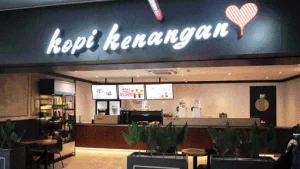
Meanwhile, local coffee franchises experienced extraordinary revenue surges. Kopi Kenangan, one of the major local coffee players, reportedly saw sales increase to 24 trillion rupiah and continues growing. Other local coffee shops like Kopi Tuku, Fore Coffee, Point Coffee, and various independent coffee houses also felt similar positive impacts.
Fast Food Gets a Reality Check: The Local Takeover

Source: Hops ID
The fast-food industry experienced similar upheaval. PT Fast Food Indonesia Tbk (FAST), KFC’s franchise holder in Indonesia, recorded losses of Rp 558.75 billion in the third quarter. McDonald’s also faced similar pressure from the boycott campaign.
This situation opened golden opportunities for local brands like Sabana, Hisana, Ayam Geprek Bensu, D’Kriuk, and d’Best O Chicken & Burger. These local brands have competitive advantages through lower cost structures, enabling them to offer more affordable prices to consumers.
The Psychology Behind the Shift: Why Hearts and Wallets Aligned
Breaking Down the Consumer Behavior Code
This phenomenon can be explained through consumer behavior theory proposed by Schiffman and Kanuk. According to this theory, consumer purchasing decisions are based on utility or satisfaction obtained, influenced by cultural values, social factors, personal characteristics, and psychological factors.
In this boycott context, four main factors drove consumers to switch to local SME products:
1. The Power of Solidarity: When Faith Meets Commerce
The strongest factor is solidarity toward Palestine rooted in religious and humanitarian values. Indonesian Muslim consumers feel morally responsible not to support products considered to aid aggression against their fellow believers. This collective empathy creates strong motivation to seek alternatives aligned with their values.
2. The Sweet Spot: Where Morality Meets Affordability
From an economic perspective, local SME products generally offer more competitive prices than international brands. This aligns with demand elasticity theory, where consumers are sensitive to price changes. When moral motivation meets economic benefits, consumer switching becomes easier.
For example, a cup of coffee at local shops averages Rp 8,000-15,000, while at Starbucks it ranges from Rp 25,000-50,000. This significant price difference reinforces consumer motivation to switch.
3. National Pride Awakens: The Patriotic Purchase
The boycott movement also triggered nationalist sentiment among Indonesian consumers. Buying local products is not only considered an economic act but also a form of patriotism and support for the domestic economy. This creates an “emotional premium” on local products that makes them more attractive to consumers.
4. Marketing Genius: Reading the Room Perfectly
Local SMEs demonstrated extraordinary adaptability in understanding Indonesian consumer behavior. For instance, 2022 research showed that 38% of Indonesians drink coffee at night, followed by morning (30%), afternoon (21%), and midday (11%).
Local coffee shops leveraged this data by extending operating hours until midnight, unlike most international franchises that close earlier. This strategy, combined with boycott momentum, created significant competitive advantages.
The Ripple Effect: Beyond Brand Switching
Creation on Steroids: The Employment Multiplier
SME growth triggered by the boycott movement has significant multiplier effects on job creation. Each new coffee shop opened requires baristas, cashiers, and operational staff. This industry also creates downstream demand for local raw material suppliers, including coffee farmers, packaging producers, and logistics services.
Data from the Ministry of Cooperatives and SMEs shows that the SME sector absorbs about 97% of Indonesia’s total workforce. Growth in this sector, despite being triggered by external factors like boycotts, still contributes positively to unemployment reduction.
The Unintended Education: Financial Literacy and Entrepreneurship Boom
The boycott movement also indirectly increased public awareness about wiser and more conscious consumption. Consumers became more selective in choosing products, not only based on price and quality but also the values upheld by brands.
For local entrepreneurs, this momentum became a valuable lesson about the importance of positioning and brand storytelling. They learned that Indonesian consumers seek not only quality products at affordable prices but also brands with purpose and values aligned with theirs.
Strengthening the Home Team: Domestic Supply Chain Renaissance
Local SME growth also strengthens the domestic supply chain. When local coffee shops develop, they tend to use coffee beans from local farmers, packaging from domestic producers, and services from other local providers. This creates a trickle-down effect benefiting various economic sectors.
The Sustainability Question: Can Lightning Strike Twice?
A crucial question emerges: can this momentum be sustained long-term? History shows that boycott movements are often cyclical and can weaken over time, especially when triggering issues no longer receive media attention.
However, several factors indicate that positive impacts on SMEs can endure:
- Proven Product Quality: Consumers who switched due to boycotts discovered that local products have comparable quality, often better suited to local tastes.
- Price Advantage: Significant price differentiation provides strong value propositions even when emotional factors weaken.
- Built Loyalty: Positive experiences with local brands create organic loyalty that’s not easily shaken.
Keeping the Momentum Alive: Strategic Imperatives
To maintain this positive momentum, Indonesian SMEs need to focus on several key areas:
- Continuous Quality Enhancement SMEs must continue investing in product and service quality improvements. Consumers who switched due to emotional factors will remain loyal only if they receive satisfying experiences.
- Innovation and Differentiation Developing innovative products unique to local preferences will help SMEs build sustainable differentiation.
- Digital Transformation and Expansion Leveraging digital technology to expand market reach and improve operational efficiency will help SMEs compete with international players.
- Brand Building Excellence Building strong brand identity with clear values will help SMEs maintain emotional connections with consumers.
Policy Implications: Government’s Golden Opportunity
Strategic Support for SME Sector
This momentum provides a golden opportunity for the government to strengthen the SME sector through various support programs:
- Capital Access Facilitation: Low-interest credit programs for rapidly growing SMEs.
- Training and Mentorship: Capacity building programs to enhance SME managerial and marketing capabilities.
- Digital Infrastructure: Strengthening digital infrastructure to support SME expansion to e-commerce platforms.
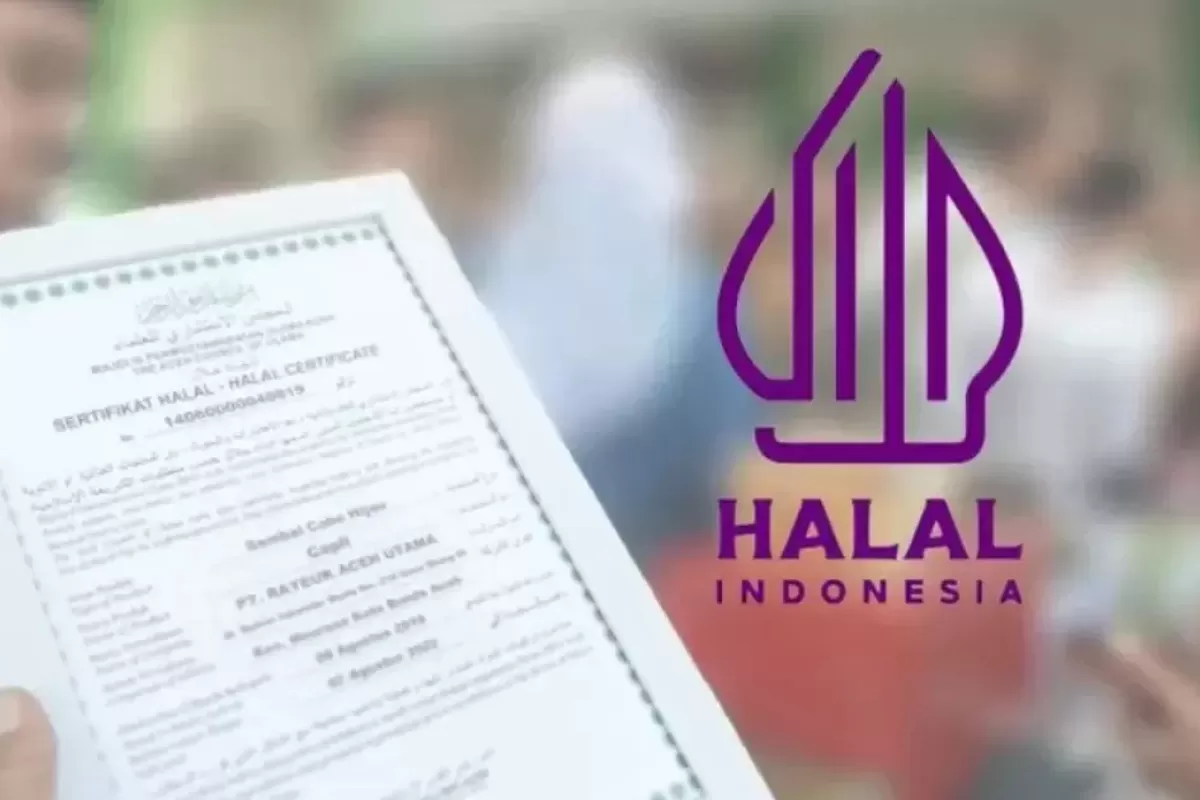
- Standardization and Certification: Halal certification and quality standard programs to enhance SME product competitiveness.
This phenomenon also provides important lessons about Indonesia’s economic resilience. Over-dependence on international brands can create economic vulnerabilities. Developing strong local brands and industries will enhance national economic resilience against external shocks.
The Transformation: From Solidarity to Prosperity
The boycott movement that began as solidarity toward Palestine has demonstrated how collective action driven by moral values can create significant positive economic impacts. Indonesian SME growth triggered by this momentum proves that the domestic economy has great potential that often remains untapped.
However, to ensure this momentum isn’t just a temporary trend, sustained commitment from various parties is required:
- Consumers must remain consistent in supporting local products, not only during high boycott trends.
- SMEs must continue innovating and improving quality to maintain consumer trust.
- Government needs to provide structural support to strengthen the SME sector.
- Society as a whole must build collective awareness about the importance of supporting the local economy.
If all these elements can synergize well, the movement that began with humanitarian solidarity can transform into a solid foundation for Indonesia’s economic prosperity. Boycotts, in this context, aren’t just about rejecting certain products but about choosing a more independent and sustainable economic future.
The Legacy: When Small Actions Create Big Changes
Source: Kompas
History has shown that major changes often begin with seemingly simple collective actions. This boycott movement may be remembered not only as a form of solidarity toward Palestine but also as a turning point for Indonesian SME resurgence on the global economic stage.
The journey from boycott to blessing illustrates that economic empowerment can emerge from the most unexpected circumstances. When moral conviction meets market opportunity, the results can reshape entire industries and create lasting prosperity for local communities.
As Indonesia’s SME sector continues to evolve and mature, the lessons learned from this unique period will serve as a blueprint for sustainable growth driven by authentic values and genuine consumer connection. The revolution that started with saying “no” to certain brands has ultimately become a resounding “yes” to local entrepreneurship and economic independence.
References:
Azhar, C. S., Raihanada, F. S., Nareshwari, R. A., & Wikansari, R. (2025). Dampak boikot Starbucks terhadap rantai pasok global ke lokal serta pengembangan UMKM kopi. Jurnal Rumpun Manajemen dan Ekonomi (JRME), 2(1), 352–360.
Aliyah, A. H. (2022). Peran usaha mikro kecil dan menengah (UMKM) untuk meningkatkan kesejahteraan masyarakat. Welfare: Jurnal Ilmu Ekonomi, 3(1), 64–72.
Santosa, S. D. L. (2024). The impact of the boycott of Israeli products, brands and their supporters on the Indonesian economy. Jurnal Ilmu Ekonomi dan Pembangunan, 24(1), 7–13.
Syajidah, S. S. A., & Mennita, R. (2024). Dampak boikot produk Israel terhadap kinerja penjualan PT Unilever Indonesia Tbk. Margin Eco: Jurnal Ekonomi dan Perkembangan Bisnis, 8(2), 126–133.
kontan.co.id. (n.d.). Isu Boikot dan Persaingan Lokal Pengaruhi Kinerja KFC dan McDonald’s di Indonesia. Retrieved June 26, 2025, from https://industri.kontan.co.id/news/isu-boikot-dan-persaingan-lokal-pengaruhi-kinerja-kfc-dan-mcdonalds-di-indonesia