Fresh Halal Food Ventures Making Waves Across America in 2025
JAKARTA – Imagine searching for quality halal meat but finding yourself far from any Muslim-owned butcher, with grocery stores offering only limited, uncertain options. Now picture innovative companies bringing certified halal products straight to your door, or cloud kitchens preparing authentic North African cuisine, all verifiable through your smartphone. This represents the evolving landscape of halal dining in America, where forward-thinking businesses are transforming access to ethical, premium food for Muslims and non-Muslims alike.
With projections showing the American halal food sector reaching $124.07 billion by 2032—powered by an expanding Muslim community and increasing interest in clean-label products—2025 marks a pivotal year for halal food enterprises. From technology-enhanced distribution networks to plant-based alternatives, innovative companies are fundamentally changing the industry.
The Halal Food Surge and New Business Prospects
America’s halal food sector is experiencing remarkable growth, supported by over 3.5 million Muslims and expanding interest from consumers prioritizing ethical, sustainable eating. Global projections indicate the halal food market will achieve $2.55 trillion by 2025, with America contributing significantly due to its varied, health-focused population.
Contemporary halal enterprises are capitalizing on this momentum through technology, online commerce, and creative products to satisfy demand. These businesses serve diverse audiences beyond the Muslim community, attracting anyone who appreciates the cleanliness, quality, and compassionate practices inherent in halal standards. From ready-to-cook packages to plant-based halal treats, companies are reimagining convenience and reach while honoring Islamic values like tayyib (pure and wholesome).
What distinguishes 2025 is how consumer preferences—sustainability, transparency, and digital integration—align with halal consumer requirements. Companies employ artificial intelligence, blockchain technology, and direct sales approaches to provide fresh, certified items to previously underserved locations. They’re also capitalizing on growing interest in plant-based and organic foods, matching the 9.56% compound annual growth rate forecast for the global halal market through 2033.
Notable Halal Food Companies to Monitor
Boxed Halal: Transforming Meat Distribution
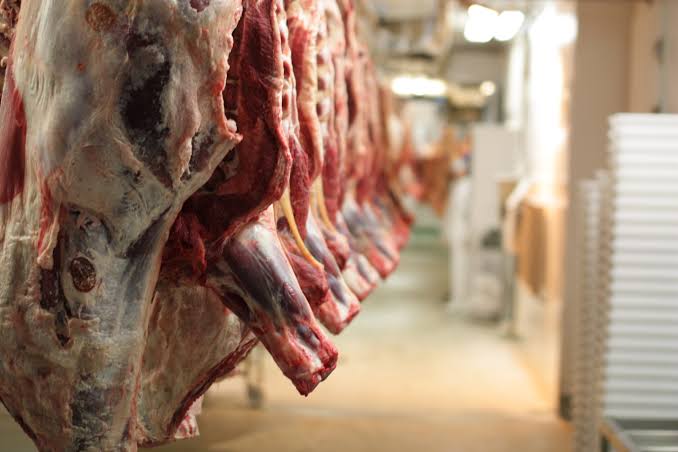
Ibrahim Ali and Iqra Isphahani established Boxed Halal to deliver premium, halal-certified meat products straight to customers. Based in Texas, this company tackles a significant challenge: limited halal meat availability across numerous American regions. Through a farm-to-consumer approach, Boxed Halal guarantees traceability via certified supplier partnerships, providing grass-fed beef and free-range poultry.
Their subscription offering, featuring curated selections of steaks, ground meat, and chicken, has attracted customers through convenience and excellence. They expanded in 2024 to include pre-seasoned cuts for busy households and grilling fans. Health-focused non-Muslim consumers also appreciate their hormone-free, ethically produced items. Their upcoming blockchain integration for real-time supply chain visibility could establish new benchmarks for consumer confidence in halal meat distribution.
MagicDates: Elevating Snack Standards
Diana Jarrar, a Syrian-Palestinian immigrant, founded MagicDates in California to bring halal-certified, date-centered snacks into mainstream markets. The company produces chocolate-enrobed dates and nutrient-dense snack bites that are vegan, gluten-free, and contain no added sugars—ideal for health-aware consumers.
Their offerings, inspired by Middle Eastern culinary heritage, appeal to Muslims wanting permissible treats and others seeking clean-label snacks. MagicDates’ sustainability focus, including eco-conscious packaging and ethically obtained ingredients, embodies the tayyib principle, building a devoted customer base. After partnering with major retailers like Whole Foods in 2024, they’re preparing to introduce halal-certified energy bars in 2025, targeting fitness enthusiasts within the $9 billion American snack industry.
HalalMealKits: Simplifying Home Cooking
Operating from New Jersey, HalalMealKits transforms home cooking by shipping pre-measured, halal-certified meal packages nationwide. The startup provides recipes from Pakistani korma to Mediterranean shawarma, all with IFANCA-certified components and straightforward instructions.
Their subscription service accommodates various dietary requirements, including vegetarian and gluten-free choices, making halal cooking accessible broadly. Research from the American Halal Council in 2024 revealed that 30% of their clientele are non-Muslims, attracted to ethical sourcing and robust flavors. The company utilizes cold-chain delivery to maintain freshness, even in remote locations, while their application offers video guidance for beginning cooks. Plans for 2025 include AI-powered meal customization, potentially disrupting the $20 billion meal kit sector.
Green Halal: Sustainable Plant-Based Leadership
This Chicago-based enterprise leads in sustainable, halal-certified plant-based products. Their range features vegan meat substitutes like halal-compliant burgers and sausages crafted from mycelium and pea protein, appealing to Muslims and environmentally conscious consumers alike.
Their dedication to biodegradable packaging and regenerative agriculture has earned environmental recognition. In 2024, Green Halal introduced halal-certified, organic frozen meals through platforms like HalalWorldDepot. With plant-based eating projected to grow 7% annually in America, Green Halal’s sustainability and innovation focus positions them for substantial 2025 growth, particularly as they investigate cultivated meat collaborations with companies like Mosa Meat.
WhatsHalal: Technology-Powered Certification
Though not a food manufacturer, WhatsHalal revolutionizes the halal food ecosystem. This Singapore-based company, expanding in America, provides a blockchain-enabled platform called the Assurance and Traceability Management System (ATeMS). It streamlines halal certification for food businesses, reducing expenses by up to 50% and decreasing certification duration by 66%.
For startups, this enables quicker market access and enhanced consumer trust. WhatsHalal’s system lets diners scan QR codes on restaurant menus or packaged products to confirm halal status, addressing inconsistent certification standards. Their planned 2025 expansion into cloud kitchens and grocery chains could make them foundational to America’s halal industry, ensuring authenticity throughout distribution.
Obstacles and Possibilities
These enterprises encounter challenges but transform them into advantages. Cost presents a major obstacle—halal certification and ethical sourcing increase prices, with halal meats often costing 20% more than conventional alternatives. Companies like Boxed Halal address this through local farm partnerships to minimize distribution expenses, while HalalMealKits provides affordable “value” packages.
Consumer awareness represents another challenge; many Americans, including some Muslims, don’t completely comprehend halal standards. MagicDates and Green Halal tackle this through social media initiatives, collaborating with influencers to demonstrate their products’ quality and adaptability.
Certification uniformity remains problematic. With multiple American certification bodies, consumers may doubt authenticity. WhatsHalal’s blockchain approach advances standardization, while others like Boxed Halal work exclusively with trusted certifiers such as IFANCA. Supply chain interruptions also present risks, but startups mitigate this through localized sourcing and sophisticated logistics.
Why These Companies Are Important
These organizations aren’t merely selling food—they’re cultivating a movement. They’re making halal cuisine accessible to millions across urban centers and rural communities while attracting broader audiences seeking ethical, quality products. Their technology integration—whether blockchain for traceability or AI for personalization—distinguishes them in a competitive marketplace.
They’re also maintaining cultural traditions, introducing flavors like za’atar and sumac to American tastes while encouraging inclusivity. A 2023 Pew Research Center survey found that 65% of Americans are willing to try halal food, with startups lowering entry barriers.
For business creators, the message is evident: the halal food market is ready for innovation. With 60% of the global Muslim population under 30, these companies tap into a young, digitally adept demographic seeking convenience and authenticity. Non-Muslims attracted to halal’s clean-label philosophy further expand the market, with halal consumers showing 35% greater brand loyalty compared to average consumers.
Moving Forward
In 2025, anticipate these startups to expand boundaries. Boxed Halal plans nationwide growth with pop-up butcheries in major metropolitan areas. MagicDates intends to partner with halal restaurants for dessert offerings, while HalalMealKits tests meal preparation services for workplaces. Green Halal explores laboratory-grown meat, which could transform halal protein if certified, and WhatsHalal’s technology may become an industry certification standard.
As America’s halal market expands, these startups will lead by merging tradition with innovation, establishing halal food as an American household staple. Whether you’re a Muslim seeking permissible meals, a food enthusiast wanting global flavors, or an investor searching for promising opportunities, these companies merit attention. They’re not just satisfying hunger—they’re shaping food’s future, one halal bite at a time.
Original Article:
Halal Times. (2025, October 20). Emerging Halal Food Startups to Watch in the US in 2025. Retrieved from https://www.halaltimes.com/emerging-halal-food-startups-to-watch-in-the-us-in-2025/