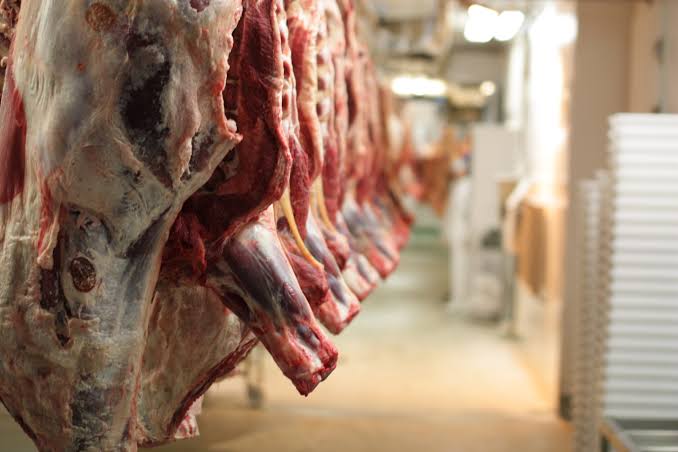
Saudi Arabia’s Meat Market Projected to Reach Significant Growth Through 2033
JEDDAH – The Saudi Arabian meat industry achieved a valuation of $12.9 billion in 2024 and is projected to expand at a robust compound annual growth rate of 4.84% throughout the forecast period spanning 2025 to 2033. This growth trajectory is primarily fueled by increasing consumer preference for protein-rich diets, particularly within urban populations.
Understanding the Market Landscape
Meat comprises animal tissue from cattle, poultry, sheep, and goats that is processed for human consumption. The product is available in various forms—fresh, cooked, and frozen—encompassing both muscle cuts and organ meats. Within Saudi Arabia, meat represents more than a dietary staple; it holds cultural significance as an essential component of traditional cuisine and religious festivities, ensuring consistent year-round demand.
Strategic Growth Initiatives
Companies operating within Saudi Arabia’s meat sector are pursuing multiple strategies to drive expansion. Key initiatives include enhancing domestic production capabilities, adopting advanced technologies, and strengthening supply chain infrastructure. Many organizations are implementing vertical integration strategies, extending operations into feed manufacturing and retail distribution to optimize efficiency and product quality.
Consumer preferences are shifting toward frozen, processed, and value-added meat products, reflecting desires for convenience and variety. Additionally, industry players are advancing Vision 2030 objectives by reducing import dependency, investing in smart agricultural practices, and expanding halal certification to strengthen domestic consumer trust and export potential.
According to the Ministry of Environment, Water, and Agriculture, red meat production in the Kingdom surpassed 270,000 tons in 2023, marking substantial growth that bolsters local production and food security in alignment with Saudi Vision 2030 goals. The Kingdom has achieved 61% self-sufficiency in red meat, demonstrating ongoing commitment to expanding domestic output and minimizing import reliance.
Emerging Industry Trends
Technology-Driven Farming Revolution
Smart farming technologies are transforming Saudi meat production standards, with automated feeding systems, IoT-based health monitoring, and precision breeding becoming increasingly prevalent. These innovations optimize feed-to-meat conversion ratios, decrease mortality rates, and enhance supply chain traceability. As the nation pursues local production targets and food security objectives outlined in Vision 2030, technological advancement has emerged as a strategic priority across livestock and poultry operations.
The Saudi Smart Flock system, introduced under the Sustainable Rural Agricultural Development Programme (Saudi Reef), exemplifies this technological shift. Implemented across six farms, the system utilizes facial recognition to identify animals, monitors productivity and health metrics, and consolidates farm records within a unified platform.
Market Segmentation Analysis
Product Categories
The market encompasses red meat, poultry meat, and other varieties. Poultry meat captured the dominant market share in 2024, driven by escalating consumption levels throughout Saudi Arabia. This sustained demand enables rapid company expansion and product diversification across fresh, frozen, and value-added offerings. The poultry sector’s leadership position has stimulated investment in hatcheries, feed mills, and processing facilities, generating continued market growth.
Tanmiah Food Company’s strategic alliance with McDonald’s Saudi Arabia exemplifies this trend, focusing on supplying locally sourced poultry to one of the world’s premier quick-service restaurant chains while reinforcing commitments to quality and domestic agricultural development.
End-User Segments
The market serves household and HORECA (Hotels, Restaurants, and Catering) segments. The HORECA sector is anticipated to experience the highest compound annual growth rate during the 2025-2033 forecast period. The proliferation of hotels, restaurants, and catering establishments—driven by tourism industry expansion and population growth—generates substantial demand for bulk meat purchases, particularly premium cuts and processed products.
For meat producers, the HORECA channel provides stable, high-margin contracts while encouraging product innovation to align with evolving culinary preferences. This segment’s expansion supports Vision 2030’s economic diversification goals and hospitality sector development objectives.
Siniora Foods demonstrated confidence in this market opportunity by announcing construction of a new Saudi Arabian manufacturing facility during the Saudi HORECA 2024 exhibition in Jeddah, committing approximately $40 million to the project. The company, which maintains operations across Jordan, Palestine, Turkey, and the United Arab Emirates, is expanding its Saudi market presence.
Regional Performance
The Western Region, encompassing Jeddah, Makkah, and Madinah, serves as a focal point for religious tourism and hospitality, generating consistent year-round demand from hotel and catering services. This region is expected to demonstrate the highest compound annual growth rate in the market throughout the 2025-2033 period.
Original Article:
UnivDatos. (2025, November 3). Saudi Arabia Meat Market: Current Analysis and Forecast (2025-2033). Retrieved from https://univdatos.com/reports/saudi-arabia-meat-market