Poland Targets Indonesia’s Halal Meat Market Through EU Trade Pact

(Photo by: Antara)
CEPA Opens New Opportunities for Polish Agrifood Exports
Poland is setting its sights on Indonesia’s fast-growing halal meat market as the Indonesia–European Union Comprehensive Economic Partnership Agreement (CEPA) moves closer to implementation. The free trade deal, which reached substantive conclusion in September after nearly a decade of negotiations, is expected to significantly cut tariffs on European agrifood products, creating fresh momentum for trade between Indonesia and EU member states.
Speaking in Jakarta, Polish Deputy Foreign Minister Władysław Teofil Bartoszewski acknowledged that Indonesia–Poland trade remains relatively limited, at under USD 2 billion annually. Given Indonesia’s population of around 280 million, he described the figure as far below its potential. Poland now views CEPA as a key instrument to expand its presence, particularly in halal-certified meat products.
Halal Certification and Market Access Strategy
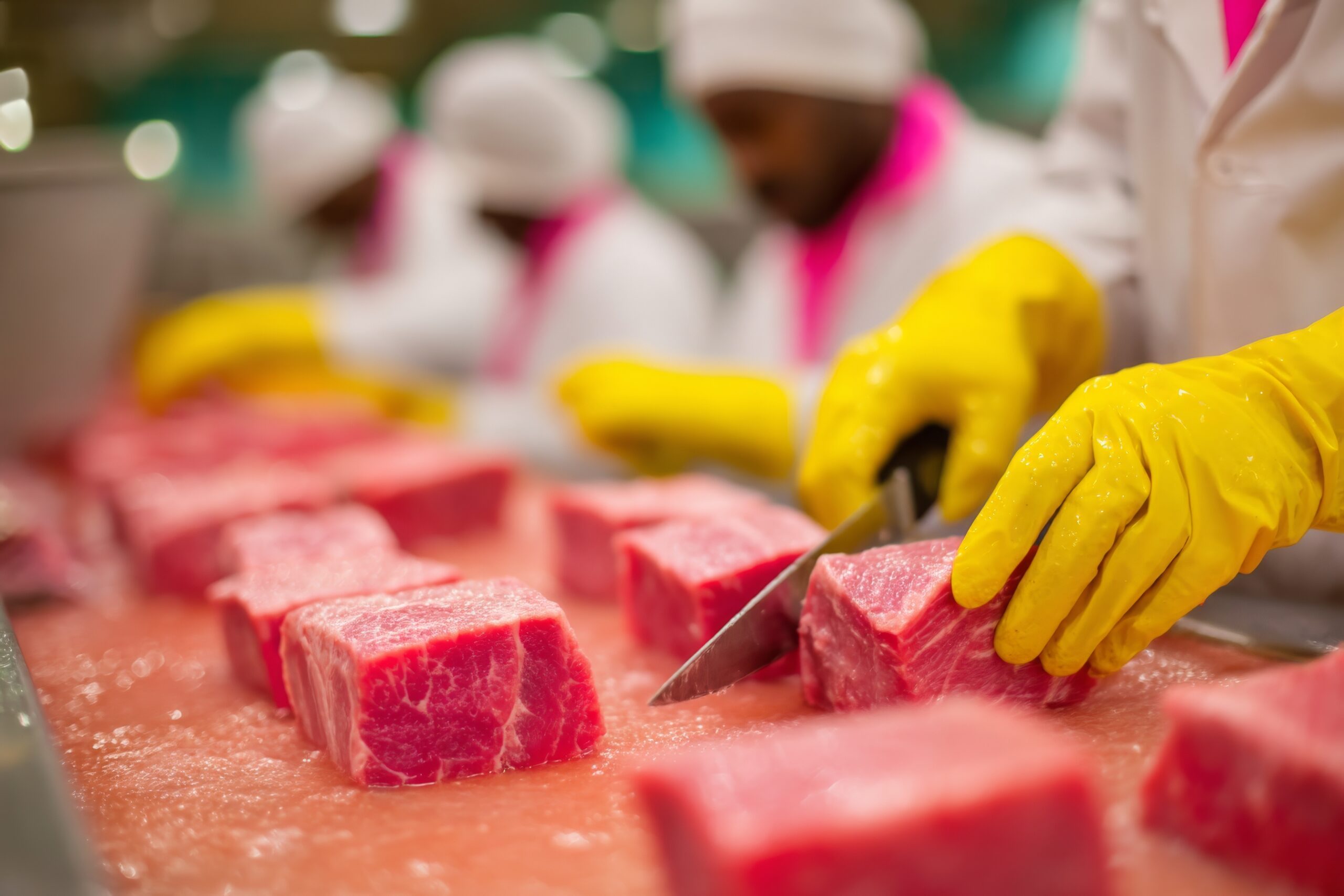
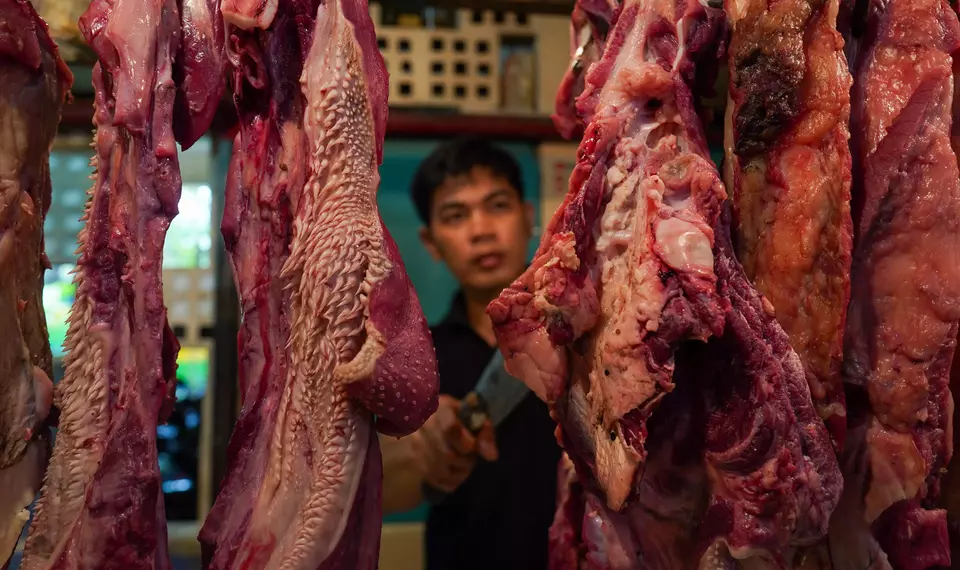
As one of the European Union’s largest poultry producers and a major exporter of beef, Poland sees Indonesia as a promising destination for its halal meat. Bartoszewski said Poland is ready to strengthen cooperation and believes the trade agreement will make market entry far easier once it comes into force.
Indonesia’s plan to enforce mandatory halal certification on imported products starting in October 2026 further shapes Poland’s strategy. To prepare for this shift, Indonesia’s halal authority BPJPH has signed a mutual recognition agreement with the Polish Halal Institute. Under the arrangement, halal certificates issued in Poland will be officially recognized by Indonesian regulators, reducing technical barriers for Polish exporters.
Trade Growth Expectations Under the EU Pact
According to the European Union, CEPA will eliminate high tariffs on a wide range of European agrifood exports, including poultry, beef, dairy products, fruits, and vegetables. European agrifood exports to Indonesia were valued at about €1 billion in the previous year, a figure expected to rise once the agreement takes effect in January 2027.
Poland’s agrifood sector has already shown strong export performance. In 2024, the value of poultry exports increased by 9 percent year on year, while beef exports grew by 11 percent. Overall meat export values rose by 9 percent, highlighting Poland’s growing capacity to compete internationally.
Indonesia–Poland Trade Still Lopsided
Despite these ambitions, bilateral trade between Indonesia and Poland has remained largely unchanged at around USD 1 billion over the past two years. Indonesian government data indicates that trade flows are dominated by Indonesian exports, which reached USD 726.8 million in 2024. These exports mainly consisted of electrical equipment, iron, and steel.
With CEPA on the horizon and halal market access mechanisms taking shape, Poland hopes the agreement will rebalance and expand trade ties using halal meat as a key entry point into the world’s largest Muslim-majority market.
Original Article:
Shofa, J. N. (2025). Poland seeks to tap Indonesia’s halal meat market with EU pact. The Jakarta Globe. https://jakartaglobe.id/business/poland-seeks-to-tap-indonesias-halal-meat-market-with-eu-pact