The Global Halal Industry: Trends, Challenges, and Opportunities in a Growing Market
The halal industry has experienced significant growth over the past decade, becoming a major component of the global economy. Halal, which means permissible under Islamic law, is no longer limited to food but extends to various sectors such as pharmaceuticals, cosmetics, finance, and tourism. The concept is increasingly associated with thayyib, referring to products that are safe, hygienic, and of high quality.
The rapid expansion of the global Muslim population, projected to reach 2.2 billion by 2030, has significantly increased demand for halal products. However, the growth of the halal industry is not solely driven by Muslim consumers. Non-Muslim consumers are also attracted to halal products due to their perceived quality, safety, and ethical standards.
1. The Scope of the Global Halal Industry
The halal industry today encompasses multiple sectors beyond food, including halal cosmetics, pharmaceuticals, logistics, and Islamic finance. Among these, the halal food sector remains the largest contributor, with global spending reaching trillions of dollars annually.
The principle of halalan thayyiban strengthens the industry’s appeal, as it aligns with global concerns regarding food safety, sustainability, and ethical consumption. This makes halal products competitive not only in religious markets but also in mainstream global markets.
2. Major Global Players
Interestingly, the global halal industry is not dominated exclusively by Muslim-majority countries. Nations such as Brazil, Australia, and New Zealand are among the leading exporters of halal meat and food products. These countries have successfully adapted their production systems to meet halal standards.
Meanwhile, countries like Malaysia and the United Arab Emirates play strategic roles as halal certification hubs and global trade centers. Their strong regulatory frameworks and certification systems enhance trust and facilitate international trade.
3. Market Drivers
Several factors contribute to the rapid growth of the halal industry:
- Demographic Growth: The increasing Muslim population worldwide significantly boosts demand.
- Rising Awareness: Consumers are becoming more conscious of food safety, hygiene, and ethical production.
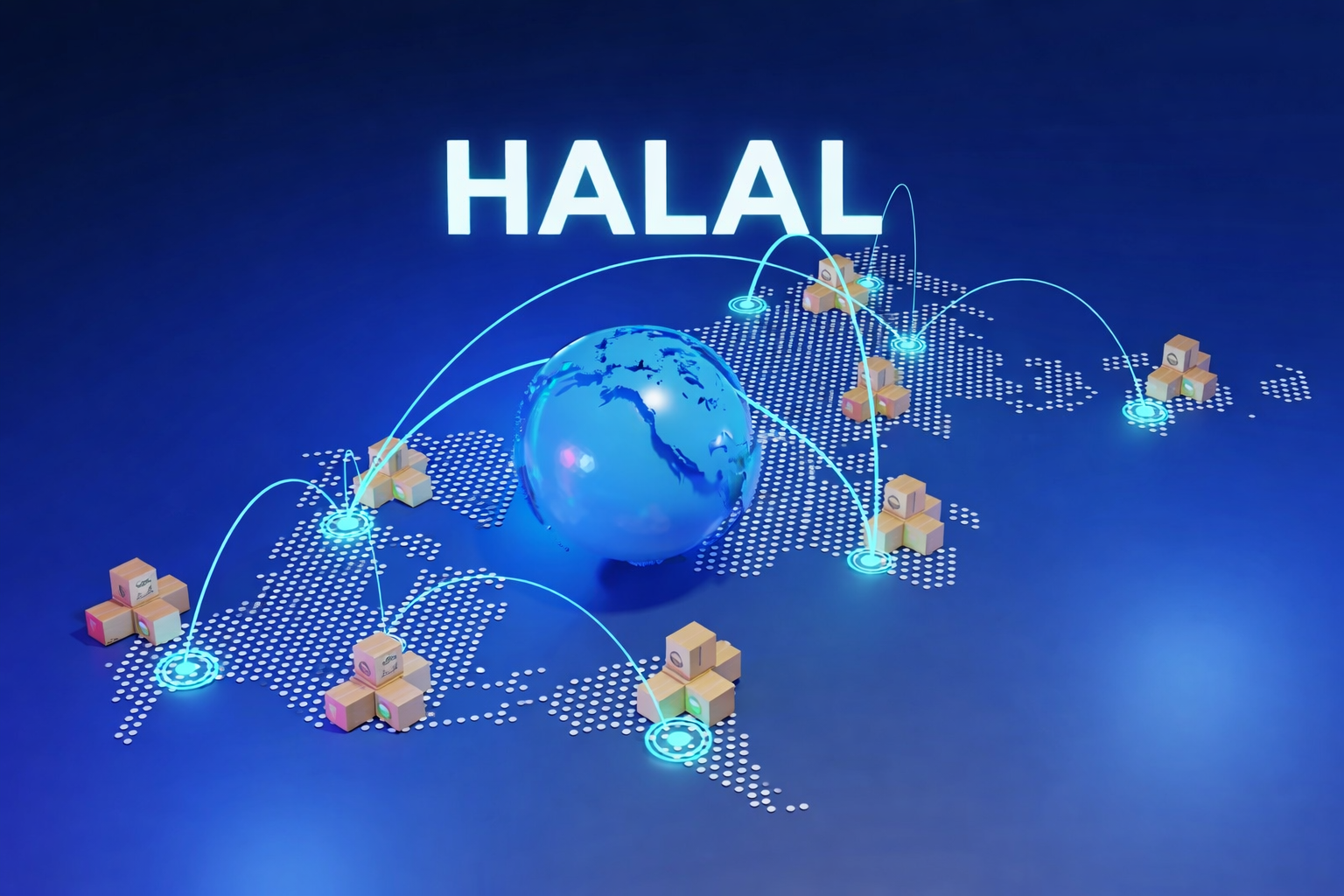
- Globalization: International trade and digital platforms make halal products more accessible across borders.
- Ethical Consumption Trends: Halal products are often associated with humane treatment of animals and clean production processes.
4. Challenges in the Global Halal Industry
Despite its growth, the halal industry faces several critical challenges:
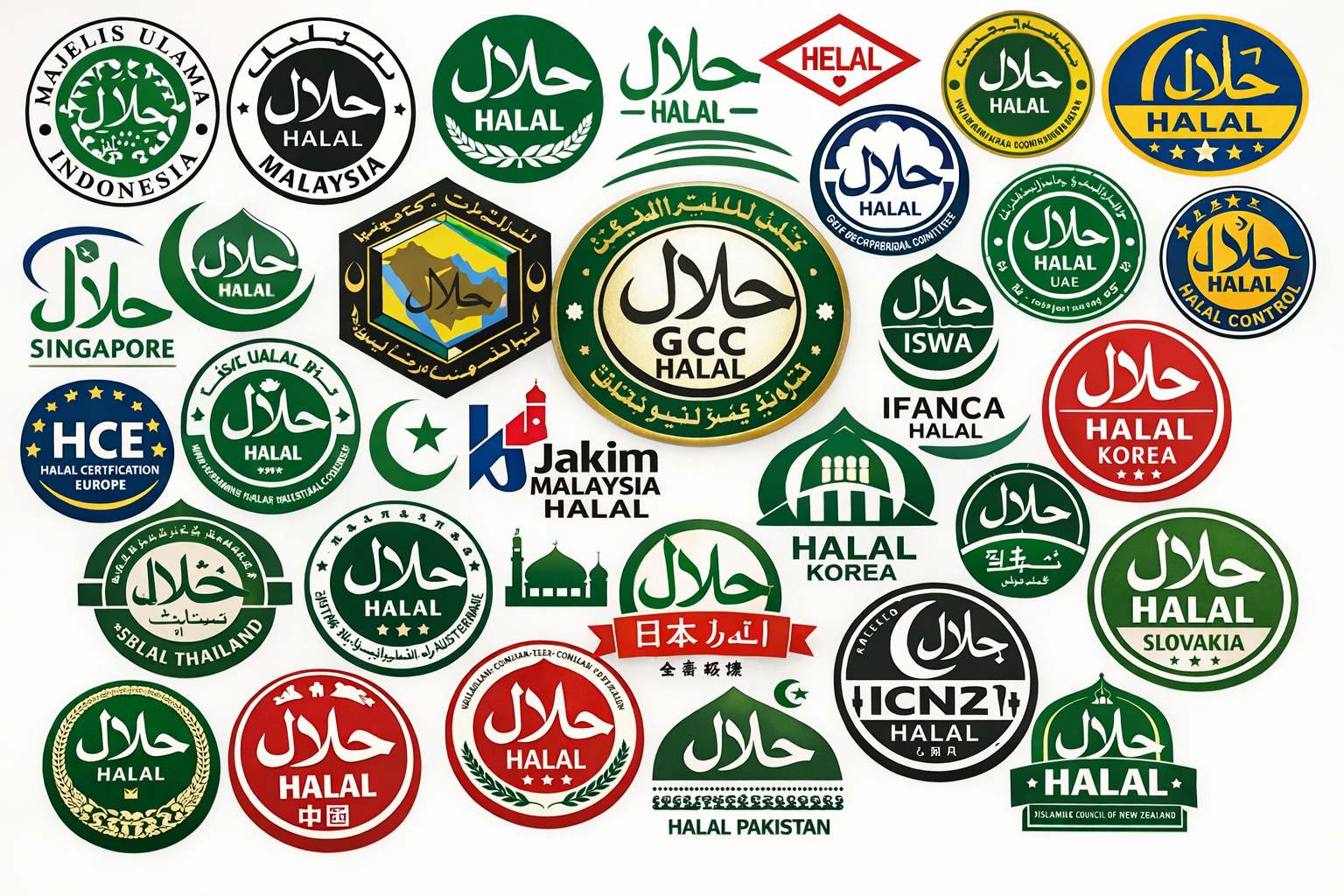
- Lack of Standardization
Different countries have varying halal certification standards, leading to inconsistencies and trade barriers. - Certification Complexity
The process of obtaining halal certification can be costly and time-consuming, especially for small and medium enterprises. - Supply Chain Integrity
Ensuring that products remain halal throughout the entire supply chain from raw materials to distribution remains a major challenge. - Competition and Market Control
Non-Muslim countries with advanced industrial systems often dominate production, while many Muslim-majority countries remain primarily consumers.
5. Opportunities and Future Outlook
The future of the halal industry is highly promising. The global halal market is expected to continue growing rapidly, driven by technological innovation, digitalization, and increasing cross-border trade.
Opportunities include:
- Development of halal-certified supply chains using blockchain technology
- Expansion of halal tourism and lifestyle sectors
- Growth of halal pharmaceuticals and cosmetics
- Strengthening international halal standards and cooperation
Countries that can integrate innovation, regulation, and market strategy will be better positioned to lead the global halal economy.
Conclusion
The global halal industry has evolved into a dynamic and competitive sector that goes beyond religious boundaries. While rooted in Islamic principles, the concept of halal especially when combined with thayyib aligns closely with modern demands for quality, safety, and ethical consumption.
Although the industry faces challenges such as standardization and supply chain management, its growth potential remains strong. The participation of both Muslim and non-Muslim countries highlights that the halal industry is not merely a religious market, but a global economic opportunity.