Young Saudis Embrace “Slow Evenings” to Combat Digital Burnout
JEDDAH – In a nation experiencing sweeping modernization, a quiet cultural shift is taking place among Saudi youth—one that deliberately steps away from screens, social media, and the relentless pace of digital life.
Throughout the Kingdom, young Saudis are intentionally decelerating their evenings, replacing hectic schedules with calming rituals that emphasize genuine connection, tranquility, and self-awareness.
This emerging lifestyle choice, termed “slow evenings” by its practitioners, represents purposeful breaks from routine—carefully crafted moments that allow young people to reconnect with themselves, their environment, and their communities.
Expert Perspective: A Response to Modern Overstimulation
Mental health professionals view the shift toward unhurried evenings as a natural counter to contemporary overstimulation.
Dr. Ashwaq Al-Harbi, a Madinah-based psychologist, considers this movement a beneficial psychological response to present-day exhaustion.
“Saudi youth face constant pressure from multiple sources—educational demands, social expectations, and digital immersion. Deliberately slowing their evenings allows them to regain authority over their mental wellbeing. This isn’t idleness—it’s purposeful restoration,” she explained.
Dr. Al-Harbi also highlighted the cultural roots underlying this trend.
“Saudi culture carries strong emotional associations with unhurried lifestyles—gathering with family, sharing stories, preparing coffee traditionally. What we’re witnessing isn’t merely a wellness movement; it’s a reconnection with emotional comfort during uncertain times.”
Personal Stories: Finding Peace Through Ritual
Creating Sacred Spaces
For Sara Al-Mutairi, 27, the practice began during last year’s Ramadan.
“I initiated weekly balcony gatherings following iftar,” she shared. “No devices allowed—only tea, oud fragrance, and conversations extending past midnight. It revealed how uncommon genuine presence with others has become.”
These meetings evolved into tradition. Al-Mutairi now devotes Thursday evenings to what she describes as “slow-time dinners” with companions, featuring handwritten menus, vinyl jazz recordings, and candlelit ambiance.
“I craved relief from constant digital scrolling,” she noted. “This represents my personal sanctuary.”
Reviving Traditional Pastimes
In Dammam’s historic districts, Faisal Al-Amri, 29, has rekindled simple pleasures his grandparents cherished.
“My circle gathers at my uncle’s diwaniya biweekly,” he explained. “We share homemade treats, enjoy backgammon and baloot, and discuss our current reading. Mobile phones remain untouched except for music selection.”
For Al-Amri, these gatherings restore “mental equilibrium.”
“This transcends nostalgia,” he emphasized. “It’s selecting a pace that feels authentically human.”
Solo Self-Care Practices
Individual Rituals for Inner Peace
Not all slow evening practitioners seek social interaction. Many focus on personal wellness.
Atheer Al-Dosari, a 27-year-old Khobar nurse, concludes her shifts with a carefully developed ritual.
“I burn bukhoor, play classic Umm Kulthum recordings, and maintain my journal before sleeping,” she described. “Previously, I divided nights between Netflix and TikTok. Currently, my sleep quality and emotional stability have improved significantly.”
Her social circle has embraced comparable practices—applying hair oils while reading poetry collections, brewing fresh mint tea, or simply experiencing stillness beneath starlit rooftops.
“We’re not abandoning contemporary life,” Al-Dosari clarified. “We’re simply moderating its intensity, particularly during nighttime hours.”
Cultural Spaces Supporting the Movement
While most Saudi urban cafes continue providing WiFi and background music, increasing numbers of young Saudis pursue quieter environments aligned with slow evening principles.
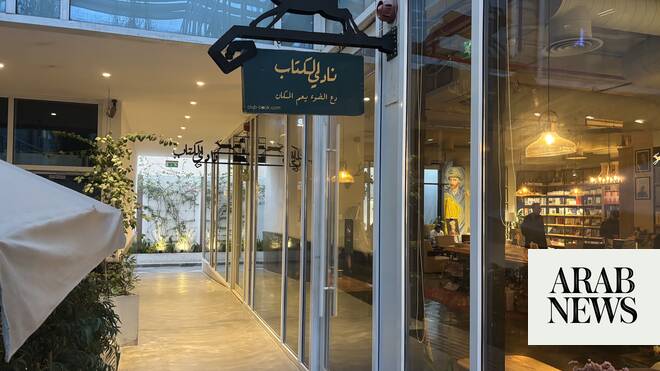
Riyadh establishments like The Book Club and Sophia Library have become preferred destinations for those desiring reduced tempo. These cultural venues offer visitors opportunities to read, contemplate, or participate in subdued conversations free from disruptions.
Making Time Despite Modern Demands
Although not everyone possesses the privilege of deceleration, numerous young Saudis create opportunities for it—even if limited to one weekly evening.
“It’s my method of refusing burnout,” stated Sara Waleed, 25, a Jeddah medical intern. “I cannot control daytime chaos, but my evenings belong to me. I intentionally make them unhurried.”
For this generation—frequently characterized as fast-paced, technology-dependent, and excessively stimulated—reclaiming slow evenings may constitute the most revolutionary choice available.
Original Article:
Arab News. (2025, November 3). How Saudis are reclaiming slow evenings. Retrieved from https://www.arabnews.com/node/2597288/saudi-arabia