Global Halal Ingredients Market Forecasted to Surge to $130 Billion by 2032
Source: Open PR
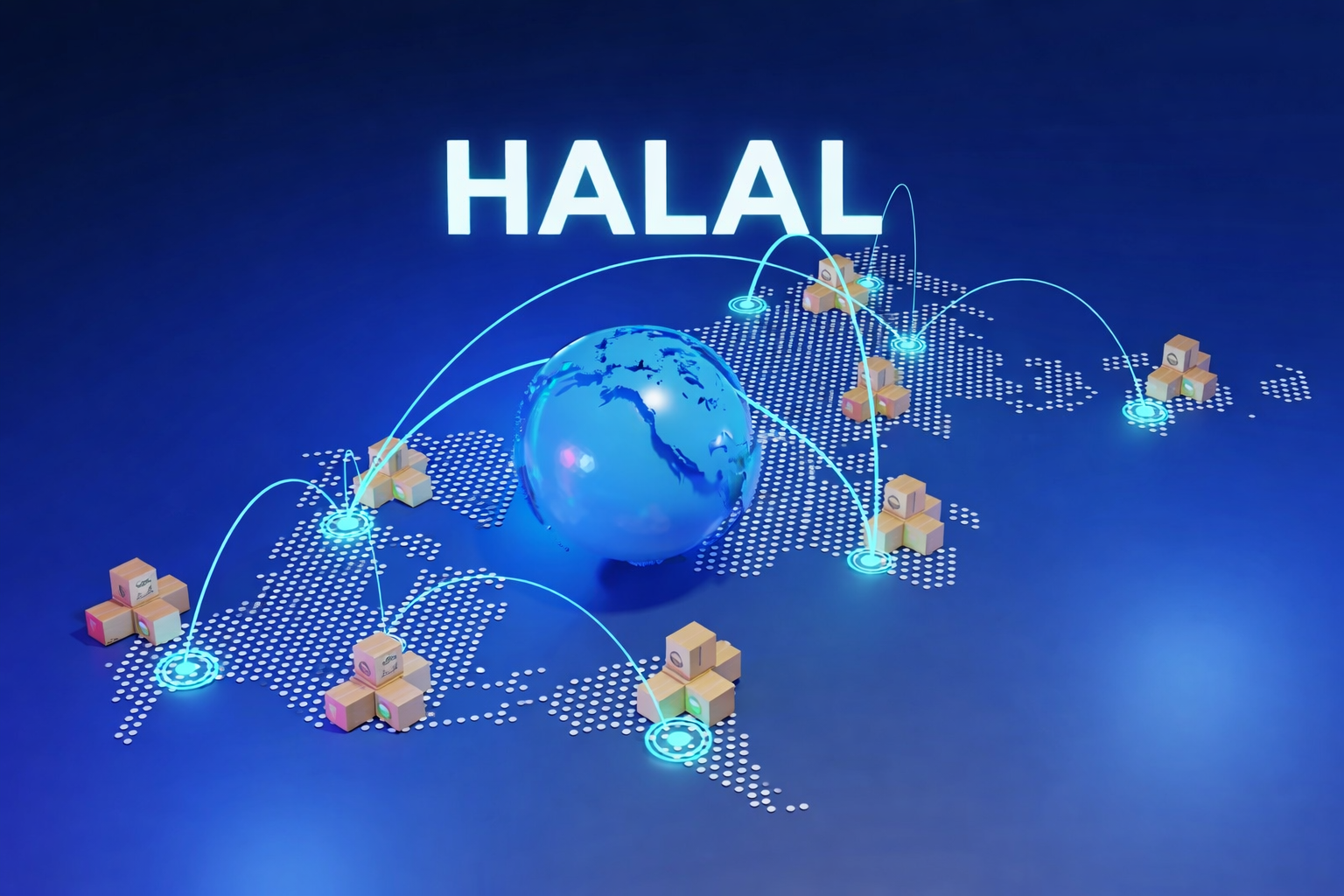
Kawaguchiko, Japan – The worldwide halal ingredients market is experiencing extraordinary momentum according to an extensive new analysis released by HTF Market Intelligence Consulting. The comprehensive report reveals that the market, currently valued at a substantial $60 billion in 2025, is on track to more than double to an impressive $130 billion by 2032, achieving a robust compound annual growth rate (CAGR) of 7.4% over the forecast period. This remarkable expansion reflects the increasing global demand for products that comply with Islamic dietary and consumption guidelines.
Understanding Halal Ingredients: Beyond Religious Requirements
Halal ingredients are meticulously produced and processed components that strictly adhere to Islamic dietary laws, ensuring they are completely free from any forbidden (haram) substances. These specialized ingredients have applications across diverse industries spanning food production, personal care, pharmaceuticals, and beyond. The certification process for halal ingredients is rigorous, involving thorough inspection of sourcing, manufacturing processes, storage, and transportation to guarantee compliance with religious standards.
What began primarily as a religious requirement has evolved significantly into a widely recognized quality assurance benchmark. Today, halal certification represents not only religious compliance but also signals ethical production methods, cleanliness, and quality to consumers worldwide. This evolution has helped expand halal products’ appeal well beyond traditional Muslim-majority markets into diverse consumer segments seeking transparency and ethical consumption options.
Market Segmentation: Diverse Applications Across Industries
The report meticulously segments the halal ingredients market, providing nuanced insights into both ingredient types and their applications:
By Ingredient Type:
- Halal flavors: Natural and synthetic flavor compounds manufactured according to halal standards
- Gelatin alternatives: Plant-based and other substitutes for conventional animal-derived gelatin
- Halal-certified emulsifiers: Crucial components in food processing that meet Islamic requirements
- Dairy ingredients: Milk-derived components processed under halal guidelines
- Specialized enzymes: Biological catalysts produced through halal-compliant fermentation processes
By Application Sector:
- Food and beverage: The largest application sector, encompassing everything from processed foods to beverages
- Pharmaceuticals: Growing demand for halal-certified medications and supplements
- Cosmetics: Rapidly expanding sector for personal beauty and skincare products
- Nutraceuticals: Functional foods and dietary supplements with health benefits
- Personal care products: Daily use items including soaps, shampoos, and other hygiene products
Geographic Market Dynamics: Regional Leaders and Emerging Hotspots
The report identifies distinctive regional patterns in the global halal ingredients marketplace:
North America: Currently dominates the market with sophisticated infrastructure, stringent certification processes, and a growing Muslim consumer base. Major food conglomerates headquartered in this region have invested heavily in halal product lines to capture market share.
Asia-Pacific: Emerging as the fastest-growing region with several factors driving expansion:
- Substantial Muslim populations in countries like Indonesia, Malaysia, and Bangladesh
- Government initiatives to position countries as halal production hubs
- Increasing disposable income among Muslim consumers
- Developing infrastructure for halal certification and distribution
Middle East & North Africa: A traditional stronghold for halal products with established certification processes and dedicated supply chains that continues to show steady growth.
Europe: Experiencing increasing demand driven by Muslim populations and broader consumer interest in ethical consumption, with particular strength in countries like the UK, France, and Germany.
Transformative Market Trends
Several sophisticated trends are reshaping the landscape of the halal ingredients industry:
- Convergence of ethical certifications: Growing alignment between halal, vegan, organic, and environmentally sustainable certifications creates products that appeal to multiple consumer segments simultaneously. This integration allows manufacturers to address diverse consumer concerns with unified product offerings.
- Technological certification innovations: Digital platforms are streamlining the complex certification process, while blockchain technology is being implemented to provide unprecedented transparency in ingredient sourcing and processing. These technologies allow consumers to verify halal status through QR codes and mobile applications.
- Expansion into specialized sectors: The emergence of halal tourism has created demand for compliant hospitality products, while halal cosmetics are experiencing explosive growth among both Muslim and non-Muslim consumers attracted to their ethical positioning.
- Supply chain integration: Development of completely halal-certified supply chains from farm to table ensures integrity throughout the production process, addressing consumer concerns about cross-contamination.
- Product diversification: Innovation is leading to an expanding variety of halal-certified products, including ready-to-eat meals, functional foods, and premium confectionery items tailored to diverse cultural preferences.
Powerful Growth Catalysts
The report identifies multiple interconnected factors propelling the market’s impressive expansion:
- Demographic dynamics: The global Muslim population, currently estimated at 1.9 billion and projected to reach 2.2 billion by 2030, represents an expanding consumer base with increasing purchasing power.
- Certification standardization: Growing international harmonization of halal standards is facilitating global trade and increasing consumer confidence in certified products.
- Ethical consumerism: Rising awareness about ethical consumption extends halal appeal beyond religious boundaries to conscious consumers concerned with animal welfare, environmental sustainability, and ethical production methods.
- Sector penetration: Expanding presence in pharmaceutical and personal care sectors is creating substantial new revenue streams beyond traditional food applications.
- Trade network development: Emerging halal trading hubs in Malaysia, UAE, and Indonesia are facilitating international commerce in certified ingredients and finished products.
Industry Challenges
Despite promising growth trajectories, the sector confronts several significant challenges:
- Certification complexity: Diverse interpretation of halal requirements across different certifying bodies creates compliance difficulties for global manufacturers seeking multi-market approval.
- Regional standard variations: Differences in halal interpretations between regions necessitate market-specific formulations, complicating global product launches.
- Supply chain integrity maintenance: Preventing cross-contamination throughout multinational supply chains requires sophisticated tracking systems and dedicated facilities.
- Raw material limitations: Restricted availability of certain halal-certified raw materials creates production bottlenecks and potential cost premiums.
- Compliance expenditures: The comprehensive requirements for halal certification involve significant investment in dedicated facilities, specialized training, and ongoing monitoring systems.
Strategic Market Opportunities
The analysis highlights substantial opportunities for forward-thinking industry participants:
- Non-Muslim market development: Significant potential exists to position halal products in non-Muslim regions by emphasizing quality, ethical production, and alignment with broader values like sustainability and transparency.
- Research and innovation investment: Developing new halal alternatives for conventional ingredients presents substantial opportunities for companies with strong R&D capabilities.
- Export platform development: Countries with established halal certification infrastructure can leverage their position to become export hubs for global markets.
- Specialized logistics services: Development of dedicated halal logistics solutions addressing transportation, warehousing, and distribution offers growth potential for service providers.
- Cross-category innovation: Creating entirely new product categories that address unmet needs in the halal-conscious consumer segment represents a significant opportunity for pioneers.
Industry Leaders Shaping the Market
The report identifies several influential companies driving innovation and growth in the halal ingredients space:
- Cargill: Pioneer in developing halal supply chains for various ingredient categories
- ADM: Leader in halal-certified grain processing and derivative ingredients
- Ingredion: Specialist in halal-compliant starches and sweeteners
- Nestlé: Major global food manufacturer with extensive halal product portfolio
- DSM: Provider of nutritional ingredients and specialized additives for halal products
- Kerry Group: Developer of halal flavor systems and functional ingredients
- DowDuPont: Supplier of technical ingredients for various halal applications
- Halagel: Specialized producer focused exclusively on halal ingredients
- Symrise: Innovator in halal-certified flavors and fragrances
- BASF: Manufacturer of technical ingredients for cosmetic and personal care applications
- Solvay: Provider of specialty chemicals for halal food processing
- Tate & Lyle: Developer of sweeteners and texturizers for halal food products
As consumer awareness continues to expand and regulatory frameworks mature across global markets, the halal ingredients sector is positioned for sustained, sophisticated growth. This expansion creates unparalleled opportunities for manufacturers, suppliers, and retailers who recognize the importance of this increasingly mainstream certification standard that now extends far beyond its religious origins to represent quality, purity, and ethical production to diverse consumers worldwide.
Original Articles:
openpr.com. (n.d.). Halal Ingredients Market Is Booming So Rapidly | Cargill, ADM, Ingredion. Retrieved April 28, 2025, from https://www.openpr.com/news/3989115/halal-ingredients-market-is-booming-so-rapidly