Pakistan’s Massive Islamic Finance Deal Tackles Energy Crisis: $4.5 Billion Sukuk Facility Aims to Break Power Sector Deadlock
Source: Halal Times
Jakarta, Indonesia – Pakistan has concluded one of its largest Islamic financing arrangements in recent history, securing Rs1.275 trillion ($4.5 billion) through a Shariah-compliant facility to combat its overwhelming energy sector debt crisis. The landmark agreement, finalized on June 20, 2025, involves 18 commercial banking institutions, including major players such as Habib Bank Limited, Meezan Bank, and National Bank of Pakistan.
Addressing the Energy Sector’s Debt Mountain
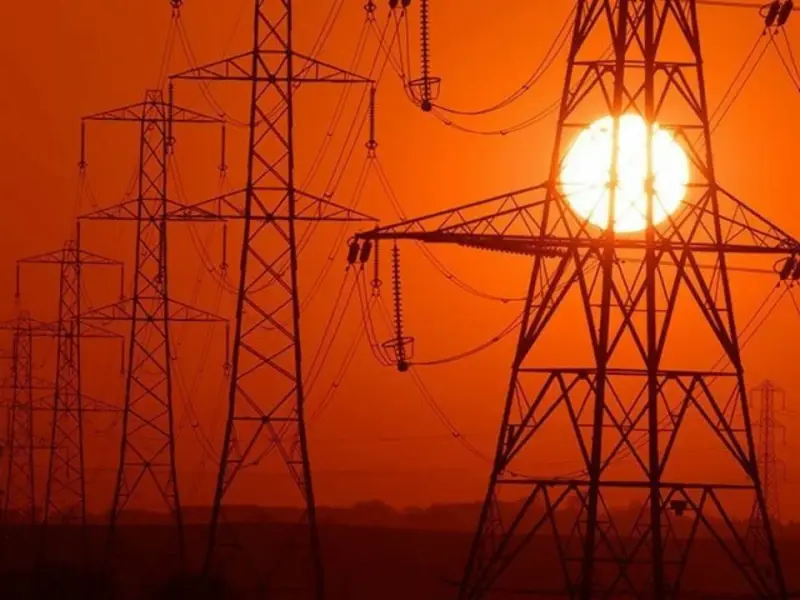
The Islamic financing mechanism comes as Pakistan grapples with circular debt in its power sector that has ballooned beyond Rs2.5 trillion by mid-2025. This Sukuk-based arrangement represents a strategic approach to inject liquidity into the struggling energy infrastructure without immediately passing costs to electricity consumers through higher tariffs.
The financing structure aligns with Pakistan’s broader Islamic banking transformation, supporting the country’s commitment to complete its transition to Shariah-compliant banking by December 2028, following directives from the Federal Shariat Court. Negotiated at favorable rates below the Karachi Interbank Offered Rate, the facility also supports ongoing International Monetary Fund Extended Fund Facility requirements, which emphasize improved fiscal management, energy sector optimization, and reduced government borrowing dependency.
Understanding the Root Crisis
Pakistan’s energy sector challenges stem from multiple structural problems that have accumulated over decades. Legacy contracts with independent power producers often guarantee substantial payments in foreign currency, creating significant fiscal pressure. The country’s power transmission and distribution network suffers from losses approaching 16%, dramatically exceeding the global benchmark of 6%. Additionally, subsidy programs frequently benefit higher-income consumers and industries rather than those most in need of support.
The new financing aims to provide essential capital to key energy companies, including K-Electric and various state-owned distribution entities, enabling crucial infrastructure improvements, reducing power outages, and enhancing service delivery standards.
Finance Minister Muhammad Aurangzeb characterized the arrangement as a “landmark achievement” that provides consumer protection while advancing economic reforms. Power Minister Awais Leghari highlighted the facility’s role in shielding low-income households—those consuming under 200 units monthly—from potential tariff increases.
Critical Voices and Concerns
Despite official optimism, the financing deal faces significant skepticism from energy sector analysts and political opposition figures. Critics argue that the arrangement essentially refinances existing obligations without tackling fundamental systemic issues. Key concerns include persistent electricity theft, which costs the national economy approximately Rs500 billion annually, billing irregularities, and governance shortcomings within distribution companies.
Public sentiment, as reflected in social media discussions, reveals widespread frustration with recent electricity cost increases, including Rs3 per unit fuel adjustment charges, leading many to question government assertions about consumer relief. Energy experts warn that without comprehensive reforms—including competitive renegotiation of power producer contracts, implementation of smart metering systems, and robust anti-theft enforcement—the debt burden could quickly rebuild, potentially necessitating future tariff increases or additional taxation measures.
The Pakistan Business Council has called for greater transparency regarding fund allocation, citing previous instances where similar financial facilities were redirected away from intended energy sector uses.
Historical Context and Broader Challenges
This major financing arrangement follows previous unsuccessful attempts to address the sector’s problems, including a Rs283 billion power sector package in 2023 that failed to prevent continued debt accumulation due to inadequate implementation. The current deal unfolds against Pakistan’s challenging economic backdrop, featuring 12% inflation rates, $7 billion in external debt obligations due in 2025, and ongoing balance of payments pressures.
While the Islamic financing provides immediate liquidity relief, its long-term effectiveness depends heavily on accompanying structural reforms to improve operational efficiency, reduce system losses, and establish more equitable cost distribution mechanisms.
Looking Ahead: Reform Commitments and Public Skepticism
Government officials have committed to presenting a comprehensive energy sector reform strategy by the first quarter of 2026. However, public confidence remains limited, with many citizens viewing the financing deal as a temporary measure that fails to address underlying systemic inefficiencies.
The success of this significant Islamic financing initiative will ultimately be measured not just by its immediate debt relief impact, but by whether it catalyzes the fundamental reforms necessary to create a sustainable, efficient, and affordable energy system for Pakistan’s growing population.
As the country continues to navigate its complex economic challenges while transitioning to Islamic banking principles, this $4.5 billion facility represents both an opportunity for meaningful change and a test of the government’s commitment to addressing long-standing structural problems in its critical energy infrastructure.
Original article:
halaltimes.com. (n.d.). Pakistan Secures $4.5bn Islamic Loan for Power Sector Relief. Retrieved June 25, 2025, from https://www.halaltimes.com/pakistan-secures-4-5bn-islamic-loan-for-power-sector-relief/