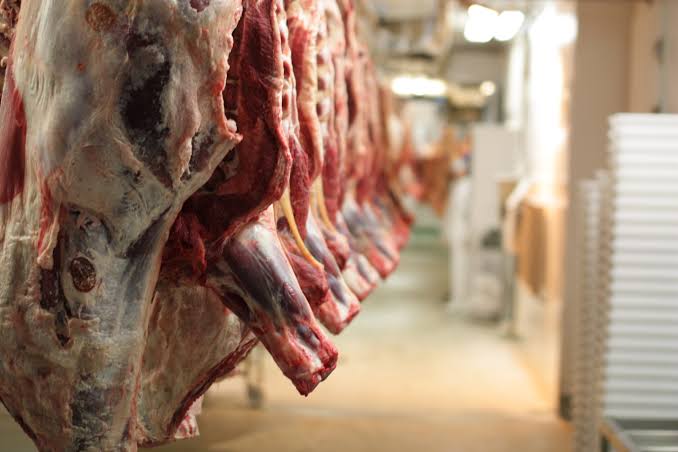
Technology Transforms UK Halal Meat Industry: The Digital Revolution

Source: Halal Times
JAKARTA – The United Kingdom’s halal meat industry is experiencing a remarkable technological transformation that is reshaping centuries-old practices. As Muslim consumers now represent 8% of the UK’s meat purchasing market, the industry faces unprecedented demand alongside growing expectations for ethical transparency and supply chain visibility.
This evolution represents more than just modernization—it’s a fundamental shift toward integrating advanced technology with traditional Islamic principles, creating a new paradigm for halal meat production that maintains religious compliance while embracing innovation.
The New Era of Digital Halal Production
The transformation of halal meat production has moved far beyond traditional manual oversight and inspection methods. Modern facilities are now incorporating sophisticated technological solutions that were inconceivable just a decade ago:
Advanced Slaughter Systems: Artificial intelligence-powered processing equipment ensures precise cuts while maintaining optimal animal welfare standards throughout the slaughter process.
Comprehensive Monitoring Networks: Internet of Things (IoT) temperature sensors create continuous monitoring systems that maintain ideal conditions across every stage of the supply chain.
Complete Traceability Solutions: Blockchain technology enables consumers to access comprehensive product histories through simple QR code scans, revealing the complete journey from farm to table.
The commercial impact has been substantial. A processor in the Midlands region reported a 40% improvement in export compliance rates after implementing intelligent tracking systems, demonstrating that technological adoption delivers tangible business benefits alongside operational improvements.
Revolutionary Technologies Reshaping the Industry
Precision Slaughter Automation
The Challenge: Meeting strict dhabihah requirements while addressing significant labor shortages across the industry.
The Innovation: Robotic cutting systems equipped with machine vision technology ensure consistent, hygienic slaughter processes while automatically documenting every action for certification audit purposes.
Measurable Results: A Yorkshire-based lamb processing facility achieved a 75% reduction in cut quality variation while simultaneously doubling their production throughput.
Intelligent Cold Chain Management
The Problem: Annual losses of £230 million worth of halal meat due to temperature control failures throughout the distribution network.
The Technology: IoT-enabled shipping pallets provide real-time monitoring with immediate alerts when environmental conditions deviate from optimal ranges.
Success Story: A London distribution company reduced waste by 28% through the implementation of predictive analytics systems that analyze cold chain data patterns.
Blockchain-Based Trust Systems
Consumer Demand: Recent surveys by the Halal Monitoring Committee reveal that 76% of UK halal meat buyers seek more detailed origin information about their purchases.
The Innovation: Immutable digital records track comprehensive information including animal feed sources, slaughter dates, and storage conditions throughout the supply chain.
Market Adoption: Major supermarket chains now mandate blockchain verification for their premium halal product lines, making technological compliance a market requirement rather than an option.
Addressing Industry Challenges and Resistance
Despite demonstrated benefits, technological adoption faces several significant obstacles:
Cultural Concerns: Some segments of the industry express resistance to “machine-led” slaughter processes, viewing them as potentially compromising traditional Islamic practices.
Financial Barriers: High initial investment costs present challenges for smaller halal butchers and processors who may lack the capital for comprehensive technological upgrades.
Security Considerations: Cybersecurity concerns regarding sensitive production data and the protection of proprietary information create hesitation among some industry players.
However, early adopters are demonstrating the substantial rewards of technological integration. Prime Halal Meats serves as a compelling example—after automating 60% of their processing operations, they secured a £5 million contract with a Gulf supermarket chain that specifically cited their “unmatchable traceability” as a key factor in the partnership decision.
Emerging Technological Frontiers
The industry continues to evolve with several promising developments on the horizon:
Computer Vision Quality Analysis: Advanced imaging systems analyze fat content and distribution to ensure optimal meat quality according to Islamic standards and consumer preferences.
Autonomous Processing Robots: Mobile robotic systems handle hazardous boning and processing tasks, improving worker safety while maintaining production efficiency.
Predictive Demand Analytics: AI-driven forecasting systems help prevent overproduction during peak periods such as Ramadan, optimizing resource allocation and reducing waste.
Expert Perspectives on Technological Integration
Dr. Imran Sheikh, a food technologist with the Halal Food Authority, offers valuable insight into the industry’s transformation: “Technology isn’t replacing our traditions—it’s preserving them. Digital records provide the transparency modern Muslim consumers demand while upholding centuries-old standards.”
This perspective highlights a crucial understanding: technological advancement serves to strengthen rather than compromise Islamic principles in food production, providing the tools necessary to meet contemporary consumer expectations while maintaining religious compliance.
Broader Implications and Industry Impact
The technological transformation of the UK halal meat industry extends well beyond immediate operational improvements:
Environmental Benefits: Optimized logistics and supply chain management significantly reduce carbon footprints associated with halal meat distribution.
Economic Opportunities: The UK is positioning itself as a global hub for high-technology halal exports, creating new revenue streams and market opportunities.
Consumer Empowerment: Unprecedented product insight gives consumers the information they need to make informed purchasing decisions based on their personal values and preferences.
Strategic Considerations for Industry Participants
The current technological landscape presents both opportunities and imperatives for halal meat businesses:
For Producers: Technological adoption is becoming a competitive necessity rather than an optional enhancement. Companies that fail to embrace these innovations risk losing market share to more technologically advanced competitors.
For Consumers: The integration of technology means access to halal meat products that are not only religiously permissible but also optimized for quality, safety, and transparency.
For Regulators: The availability of comprehensive digital records and real-time monitoring capabilities creates new opportunities for oversight and compliance verification.
The Path Forward
The UK halal meat industry’s technological transformation represents a fundamental shift in how traditional practices can be enhanced through modern innovation. Success in this evolving landscape requires:
- Strategic investment in appropriate technologies
- Comprehensive staff training and change management
- Robust cybersecurity measures to protect sensitive data
- Continued dialogue between technology providers and religious authorities
- Consumer education about the benefits of technological integration
The industry’s future depends on its ability to balance respect for traditional Islamic principles with the practical demands of modern commerce and consumer expectations. Those businesses that successfully navigate this integration will not only survive but thrive in an increasingly competitive and technologically sophisticated marketplace.
The message for the industry is clear: technological adoption is not just about staying current—it’s about preserving and strengthening the fundamental values that define halal meat production while meeting the evolving needs of contemporary Muslim consumers.
Original article:
halaltimes.com. (n.d.). How Automation and IoT Are Revolutionizing UK Halal Meat Production. Retrieved July 3, 2025, from https://www.halaltimes.com/how-automation-and-iot-are-revolutionizing-uk-halal-meat-production/