Understanding the UK’s Comprehensive Halal Food Production System

Source: Halal Times
JAKARTA – The United Kingdom’s halal food industry represents one of the most sophisticated and strictly regulated systems globally, implementing comprehensive standards that extend far beyond the traditional understanding of halal requirements. This intricate framework encompasses every aspect of food production, from agricultural practices to retail distribution, establishing a model that combines religious compliance with modern food safety protocols.
Beyond Common Misconceptions
Many consumers maintain limited understanding of halal requirements, often reducing the concept to ritual prayers during slaughter. This oversimplification obscures the reality of halal as a comprehensive ethical framework governing animal welfare, hygiene standards, and complete supply chain transparency.
The UK’s halal industry operates under regulatory frameworks that frequently surpass conventional food production standards. These elevated requirements serve both religious obligations and broader consumer interests in food safety, animal welfare, and ethical consumption practices.
Agricultural Foundation: Halal Principles in Farming
Authentic halal compliance begins at the agricultural level, where certified UK farms implement specialized protocols that distinguish halal livestock production from conventional farming methods.
Feed and Nutrition Standards Halal-certified farms must utilize exclusively approved feed ingredients, eliminating any components that could compromise halal status. This requirement extends beyond avoiding prohibited substances to ensuring complete traceability of all nutritional inputs.
Enhanced Welfare Requirements These operations typically maintain higher space allowances per animal compared to standard farming practices, reflecting Islamic principles of animal welfare. The emphasis on providing adequate living conditions demonstrates halal’s commitment to ethical treatment throughout an animal’s life.
Prohibited Substances and Treatments Strict prohibitions against growth hormones and routine antibiotic use characterize halal farming operations. These restrictions, while religiously motivated, align with contemporary consumer preferences for naturally raised livestock.
Health Monitoring and Documentation Comprehensive health monitoring systems ensure that only animals meeting strict fitness criteria enter the halal food chain. This process requires detailed record-keeping that documents each animal’s complete health history.
Certification bodies such as the Halal Food Authority conduct regular audits and inspections to maintain these elevated standards. Advanced traceability systems create complete documentation trails covering animal origins, feeding regimens, and medical treatments.
Transportation and Pre-Processing Protocols
The journey from farm to processing facility follows carefully designed protocols that minimize stress and maintain halal integrity.
Segregated Transportation Halal livestock must be transported separately from non-halal animals, preventing any potential cross-contamination and maintaining the integrity of the halal supply chain.
Journey Optimization Transport times are deliberately minimized to reduce animal stress, with facilities providing appropriate rest periods and access to water during longer journeys.
Stress Reduction Measures Handling procedures emphasize gentle treatment that avoids unnecessary discomfort or distress, reflecting both religious requirements and modern understanding of how stress affects meat quality.
Processing Facilities: Combining Tradition with Modern Standards
UK halal processing facilities represent sophisticated operations that merge traditional Islamic principles with contemporary food safety technologies.
The Stunning Controversy and Resolution Most UK halal processing facilities utilize reversible stunning methods that have gained approval from major certification bodies. This approach addresses animal welfare concerns while maintaining religious compliance, though debate continues within Muslim communities about stunning’s compatibility with traditional practices.
Qualified Personnel Requirements Only licensed Muslim practitioners may perform the ritual slaughter, ensuring religious authenticity while maintaining professional standards. These individuals undergo specific training in both religious requirements and modern slaughter techniques.
Equipment and Facility Standards Slaughter equipment must meet precise specifications regarding sharpness and maintenance, while facilities maintain separate processing lines for halal products to prevent cross-contamination.
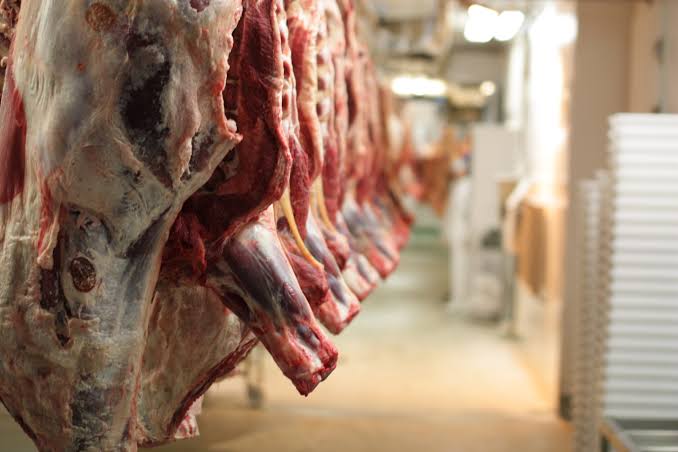
Complete Blood Drainage The requirement for complete exsanguination serves both religious obligations and food safety purposes, as proper blood removal is essential for meat quality and preservation.
Oversight and Monitoring Certification officers monitor every slaughter session, with many facilities employing closed-circuit television systems to provide additional oversight and documentation of compliance.
Post-Processing Quality Assurance
The compliance framework continues beyond slaughter through comprehensive post-processing verification systems.
Carcass Inspection Protocols Trained inspectors examine all carcasses for signs of disease or other quality issues, ensuring that only healthy meat enters the supply chain.
Dedicated Processing Equipment Meat processing utilizes equipment dedicated exclusively to halal products, preventing any possibility of cross-contamination with non-halal items.
Certification Marking and Packaging All packaging clearly displays appropriate certification marks, allowing consumers to verify the halal status of products while providing traceability information.
Ongoing Audit Systems Regular audits ensure continuing compliance throughout the processing chain, with multiple verification points providing comprehensive oversight.
Retail Integration and Consumer Verification
Major UK retailers have developed sophisticated systems to ensure halal integrity through to final sale.
Multi-Certification Verification Many retailers work with multiple certification bodies to ensure comprehensive standards compliance, providing additional assurance to consumers.
Supply Chain Transparency Complete traceability from farm to retail shelf allows consumers to verify the halal status of products and understand their origins.
Consumer Support Systems Dedicated hotlines and online verification systems allow consumers to confirm certification claims and obtain detailed information about specific products.
Regulatory Framework: The UK’s Unique Approach
Britain’s halal industry operates within a distinctive regulatory environment that provides exceptional consumer protection.
Government Oversight The Food Standards Agency provides oversight of animal welfare aspects, ensuring that halal slaughter meets both religious requirements and UK animal welfare standards.
Accreditation Standards Certification bodies must meet UKAS (United Kingdom Accreditation Service) standards, providing independent verification of their competence and integrity.
Mandatory Traceability Complete supply chain traceability is required by law, creating comprehensive documentation that supports both food safety and religious compliance.
Consumer Protection Mechanisms Robust consumer protection systems, including verification hotlines and complaint procedures, ensure that certification claims are accurate and meaningful.
Global Leadership in Halal Standards
This multi-layered regulatory system positions UK halal meat among the most reliably certified products worldwide. The integration of religious requirements with modern food safety standards creates a framework that serves both Muslim consumers and broader public interests in food quality and safety.
The UK’s approach demonstrates how traditional religious requirements can be successfully integrated with contemporary food production systems, creating standards that often exceed conventional requirements while maintaining authentic compliance with Islamic principles.
Industry Innovation and Future Development
The UK halal industry continues to evolve, incorporating new technologies and methodologies that enhance both compliance and efficiency. Advanced tracking systems, improved stunning techniques, and enhanced audit procedures reflect ongoing commitment to excellence in halal food production.
This comprehensive approach to halal compliance represents a model for other countries developing their own halal industries, demonstrating how religious requirements can be integrated with modern food safety standards to create systems that serve diverse consumer needs while maintaining authentic religious compliance.
Original article:
halaltimes.com. (n.d.). Halal Compliance in the UK From Farm to Abattoir Explained. Retrieved July 7, 2025, from https://www.halaltimes.com/halal-compliance-in-the-uk-from-farm-to-abattoir-explained/