Vietnam Pursues Strategic Entry into Global Halal Export Markets
Source: Halal Times
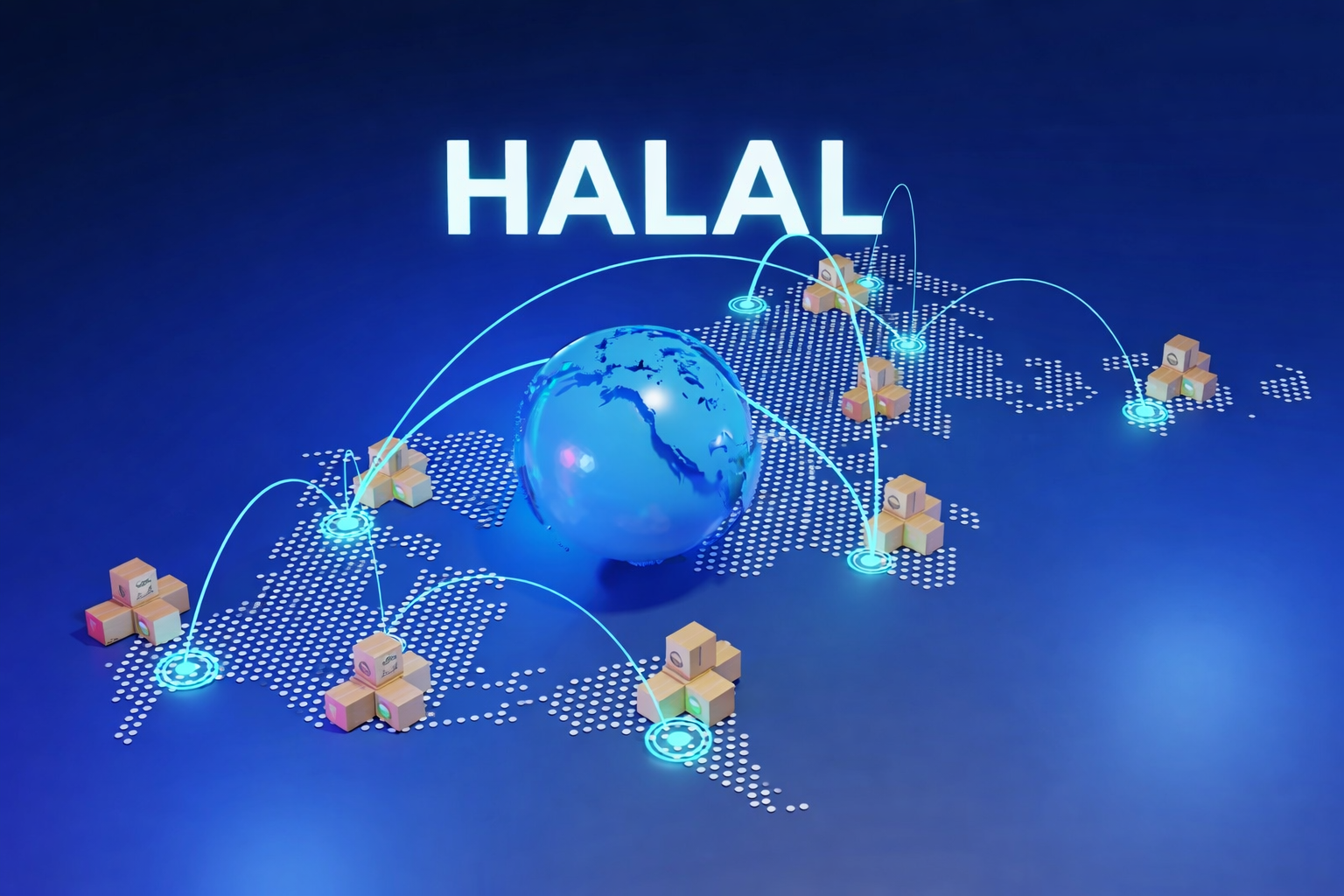
JAKARTA – Vietnam is positioning itself as an emerging force in the global halal market, seeking to capitalize on what has become one of the world’s most lucrative and rapidly expanding economic sectors. The country’s strategic initiative comes at a time when the halal economy has evolved far beyond its religious origins to become a universal benchmark for quality, safety, and ethical production standards that resonate with consumers worldwide.
Recent policy discussions and industry collaborations indicate Vietnam’s commitment to transforming its export profile by accessing premium halal markets across the Middle East, Southeast Asia, and South Asia. This strategic pivot represents a significant opportunity for economic diversification and growth in an increasingly competitive global marketplace.
The Expanding Halal Economy Landscape
The global halal market has undergone a remarkable transformation, evolving from religious dietary guidelines into a comprehensive economic ecosystem valued at over $3 trillion annually. This expansion encompasses multiple sectors including food and beverages, pharmaceuticals, cosmetics and personal care products, fashion and textiles, tourism and hospitality services, and financial services.
This growth reflects increasing consumer consciousness about product origins, manufacturing processes, and ethical considerations that extend beyond religious requirements. In Southeast Asia specifically, the halal food market is projected to reach $300 billion by 2025, with growth rates significantly outpacing conventional food sectors.
For Vietnam, this represents a strategic opportunity to diversify exports beyond traditional markets. The country’s agricultural sector, which contributes approximately 15% to GDP, stands to benefit substantially from halal certification, with products such as coffee, seafood, spices, and tropical fruits potentially commanding premium prices in Middle Eastern and Southeast Asian markets.
Gulf Cooperation Council: A High-Value Target Market
The six GCC nations – Saudi Arabia, United Arab Emirates, Qatar, Kuwait, Oman, and Bahrain – present particularly attractive opportunities for Vietnamese exporters due to several favorable characteristics. These oil-rich nations maintain high purchasing power, with per capita incomes ranging from $40,000 to $80,000, enabling consumers to prioritize quality over price considerations.
The region’s limited domestic production capacity, importing approximately 90% of food requirements due to arid conditions and limited arable land, creates substantial import demand. Additionally, the GCC countries experience some of the world’s highest population growth rates, ensuring expanding consumer markets.
Vietnam’s trade relationship with the GCC has demonstrated consistent growth, reaching $18 billion in 2024 with $7.5 billion in Vietnamese exports. The forthcoming Vietnam-UAE Comprehensive Economic Partnership Agreement (CEPA) is expected to accelerate this growth through reduced tariffs and streamlined trade procedures.
According to Nguyen Minh Phuong, head of the West Asia-Africa Division at the Ministry of Industry and Trade, GCC consumers demonstrate particular preferences that align well with Vietnamese production capabilities, including processed seafood, premium rice varieties, specialty coffee, and natural cosmetic products.
South Asian Market Opportunities
Beyond the Middle East, South Asia’s 600 million Muslim consumers represent another significant market opportunity. The region’s halal food market alone is estimated at $70-$100 billion annually, characterized by rapid urbanization changing consumption patterns toward packaged and processed foods, young demographics with 60% of the population under 35, a growing middle class with increasing disposable income, and digital adoption driving e-commerce growth in food and consumer goods.
Le Thi Mai Anh from the Ministry highlighted specific product opportunities, noting South Asian consumers’ particular interest in smaller packaged goods, organic products, and health supplements, along with growing demand for textile inputs and fragrances for the local garment industry.
Navigating Certification Complexities
While market potential is substantial, halal certification presents complex challenges for Vietnamese businesses. Unlike some quality standards that apply to entire facilities, halal certification follows specific products through their complete supply chain – from raw materials to processing, packaging, storage, and transportation.
Nguyen Thi Ngoc Hang from the Halal Certification Authority Vietnam explained that every ingredient, processing aid, and storage facility must comply with halal requirements, including verification of cleaning products used in facilities. This comprehensive system demands careful planning and extensive documentation.
The certification landscape is further complicated by the absence of universal standards. Major halal markets like Malaysia, Indonesia, Saudi Arabia, and the UAE each maintain distinct certification systems and requirements. Products certified for Malaysia may not automatically qualify for Saudi Arabia, requiring multiple certifications for companies targeting different markets.
Success Stories and Market Penetration
Despite these challenges, several Vietnamese companies have successfully penetrated halal markets, providing models for others to follow. Vinh Hoan Corporation, a leading seafood exporter, has developed specialized halal processing lines and certification for key products like basa fillets and value-added seafood items destined for Middle Eastern markets.
Trung Nguyen Group, Vietnam’s coffee giant, has obtained multiple halal certifications for its premium coffee products, enabling access to Muslim-majority markets in Southeast Asia and the Middle East. Similarly, Cau Tre Export Goods Processing has adapted its vegetable processing operations to meet halal requirements, particularly for markets in Malaysia and Indonesia.
These pioneering companies demonstrate that while the certification process requires investment and operational adaptation, the returns in terms of market access and premium pricing can be substantial.
Government Support Framework
Recognizing the strategic importance of halal markets, Vietnamese authorities have implemented comprehensive support measures including establishment of halal certification bodies to streamline the certification process, training programs to educate businesses about halal requirements, trade promotion activities specifically targeting halal markets, financial support for SMEs pursuing halal certification, and development of halal industrial zones with shared certification infrastructure.
The Ministry of Industry and Trade has identified halal markets as a priority in its market diversification strategy, particularly important as traditional markets face economic uncertainties and trade disruptions.
Strategic Recommendations for Market Entry
Industry experts recommend several key strategies for Vietnamese businesses seeking success in halal markets. Companies should begin with thorough market research to understand not just certification requirements but also consumer preferences, distribution channels, and cultural considerations in target markets.
Developing a certification roadmap with experienced halal consultants can help navigate the certification process efficiently. Businesses should leverage Vietnam’s natural strengths by focusing on products where the country already maintains competitive advantages – seafood, coffee, spices, textiles, and natural cosmetics.
Building partnerships with local distributors and retailers in target markets who understand halal consumer preferences is crucial for success. Investment in branding is essential, as halal certification alone is insufficient – products need strong branding that communicates quality and reliability.
Utilizing digital channels is particularly important, as many halal consumers, especially younger demographics, are heavy users of e-commerce platforms for food and consumer goods purchases.
Future Outlook and Economic Impact
As global demand for halal products continues expanding – driven by both Muslim populations and health-conscious consumers generally – Vietnam stands at a pivotal moment for economic transformation. The country’s natural advantages in agriculture and manufacturing, combined with strategic government support and growing private sector expertise, position it favorably to become a significant halal exporter.
The journey requires substantial investment and operational adaptation, but the potential rewards justify the effort. By successfully navigating halal certification requirements and understanding target markets, Vietnamese businesses can access not just the $3 trillion halal economy, but premium market segments worldwide that value the quality and safety assurances that halal certification represents.
With appropriate strategies and sustained effort, Vietnam could follow successful examples set by nations like Thailand and Brazil that have built thriving halal export sectors, creating employment opportunities, boosting export revenues, and strengthening economic resilience in the process.
Conclusion
Vietnam’s strategic entry into global halal markets represents a significant opportunity for economic diversification and growth. The country’s agricultural strengths, manufacturing capabilities, and strategic geographic position provide unique advantages in serving Muslim-majority markets and beyond.
Success in this endeavor will require coordinated efforts between government agencies, private enterprises, and certification bodies to overcome challenges and capitalize on emerging opportunities. With the right approach, Vietnam has the potential to become a major player in the global halal economy, contributing to sustainable economic development and international trade expansion.
The transformation of the halal market from a religious niche to a mainstream economic force presents Vietnam with a chance to redefine its export profile and access premium markets worldwide. Through strategic planning, investment in certification infrastructure, and focus on quality production, Vietnam can position itself as a trusted supplier in the rapidly growing global halal economy.
Original article:
halaltimes.com. (n.d.).Vietnam Aims for Halal Market Boom Through Export Strategy. Retrieved July 17, 2025, from https://www.halaltimes.com/vietnam-aims-for-halal-market-boom-through-export-strategy/