Global Halal Meat Industry Undergoes Major Supply Chain Transformation
Source: Agbi
JAKARTA – The global halal meat industry is experiencing unprecedented growth and transformation as demand continues to surge and consumer preferences become increasingly sophisticated. This expansion is reshaping traditional supply chains and prompting both Muslim and non-Muslim nations to enhance their production capabilities, certification processes, and export strategies to capitalize on emerging market opportunities.
Explosive Market Growth Projections
The halal meat market is experiencing remarkable expansion, with projections indicating growth from approximately $720 billion in 2023 to over $1.6 trillion by 2033, representing an impressive annual growth rate of 9 percent. This substantial increase reflects not only population growth in Muslim-majority countries but also rising disposable incomes and evolving consumer preferences for premium halal products.
This growth trajectory is fundamentally altering the competitive landscape of global meat trade, with countries worldwide recognizing the economic potential of halal meat production and export. The market’s expansion is driving innovation in production methods, certification standards, and supply chain management across the industry.
Certification and Traceability Driving Industry Evolution
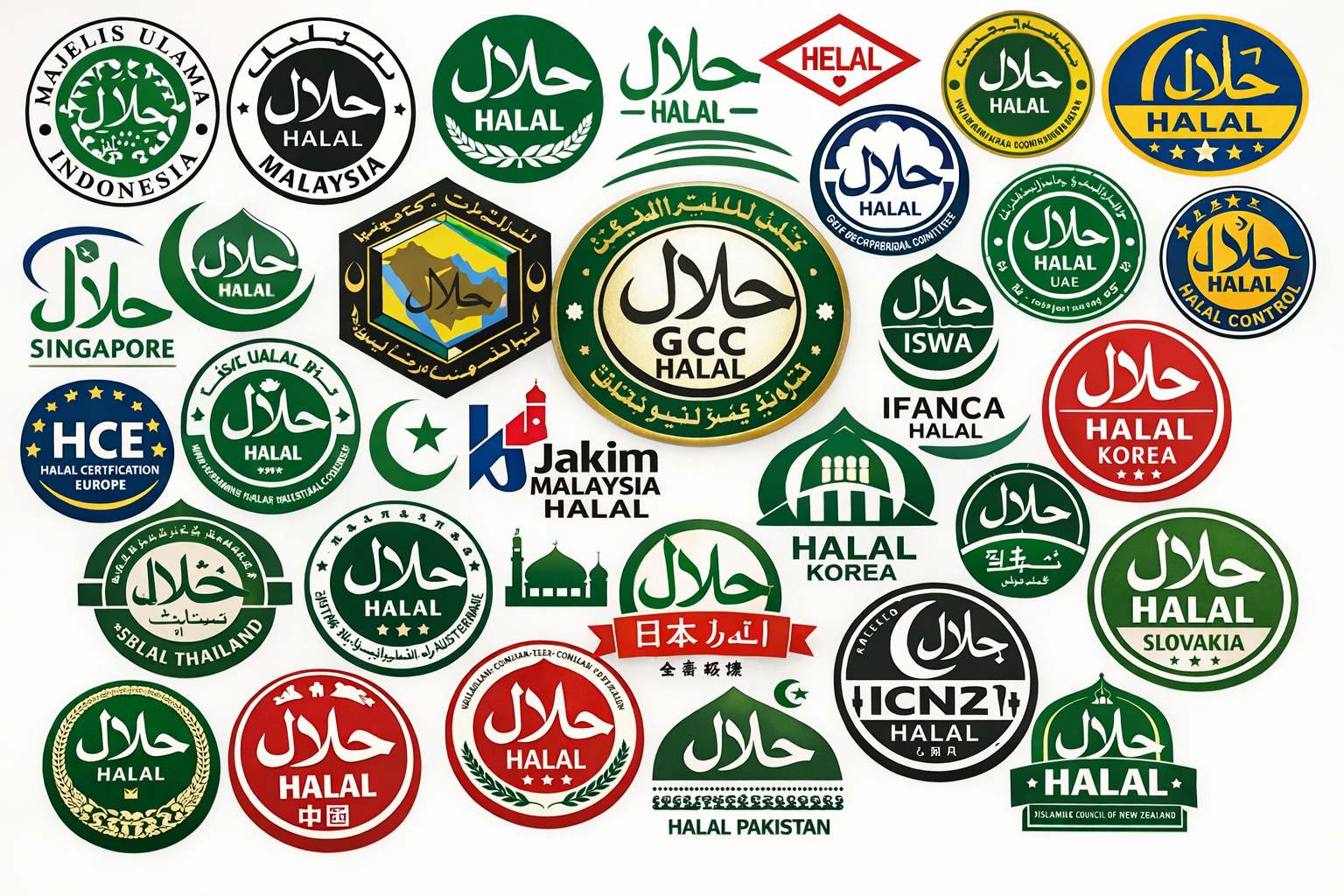
Consumer demand for credible halal certification and comprehensive traceability is creating significant shifts throughout the industry. The absence of a unified worldwide halal standard is pushing countries to adopt stricter compliance regimes to access lucrative markets, according to Mian Nadeem Riaz, a professor in Texas A&M University’s food science and technology department.
“The global supply of halal meat is diversifying, with traditional exporters expanding, new players entering, and some major importers strengthening domestic capacity,” Riaz explains. This diversification is creating new opportunities for countries to establish themselves as reliable suppliers in the expanding halal meat ecosystem.
The emphasis on traceability reflects modern consumers’ desire to understand the entire supply chain, from farm to table, ensuring compliance with Islamic dietary laws throughout the production process. This trend is driving technological adoption and supply chain transparency across the industry.
Brazil’s Dominant Market Position
Brazil continues to maintain its position as the industry leader, accounting for nearly 30 percent of worldwide halal meat sales according to figures from the Islamic Chamber of Commerce and Development (ICCD). This dominance stems from Brazil’s substantial livestock production capacity, established certification systems, and extensive export infrastructure developed over decades.
However, Brazil’s market share is increasingly being challenged by emerging competitors and traditional exporters expanding their capabilities. Nations like Malaysia, Indonesia, and Turkey are making concerted efforts to capture greater market share in an industry that was once dominated by a few major players.
The competitive pressure is pushing Brazil to maintain its technological edge and certification standards while expanding production capacity to meet growing global demand.
Emerging Players and Market Diversification
The halal meat industry is witnessing entry from unexpected quarters, with non-Muslim-majority countries increasingly participating in production and export activities. India, Russia, and the United States have emerged as important suppliers to Organization of Islamic Cooperation (OIC) member nations, which include the six GCC states.
Yousef Hassan Khalawi, the ICCD secretary general, notes that non-Muslim-majority countries such as China, Belarus, and Hungary are also gaining accreditation and entering the halal export arena. This diversification is creating a more competitive and resilient global supply chain.
The entry of these new players is particularly significant as it demonstrates the universal appeal of halal certification standards, which are increasingly viewed as markers of quality and ethical production practices beyond their religious significance.
GCC Market Dynamics and Import Dependency
The Gulf Cooperation Council countries present a unique market dynamic, serving as major consumers while maintaining limited domestic production capacity. GCC nations depend on imports for between 70 and 90 percent of their halal meat supply, with most sourced from Brazil, Australia, and India.
This heavy import dependency reflects several structural challenges including arid climates, water scarcity, lack of suitable pasturelands, high feed costs, and fragmented cold chain infrastructure. These constraints have historically limited domestic production capabilities across the region.
“Large-scale production thrives in regions where grain and feed are cheap, a key disadvantage for Gulf states,” explains Khalawi. This fundamental economic reality continues to shape the region’s reliance on international suppliers for halal meat products.
Saudi Arabia’s Strategic Market Ambitions
Saudi Arabia is emerging as a key player in efforts to reshape the regional halal meat landscape. The kingdom accounts for nearly 60 percent of halal meat consumption within the GCC, making it a crucial market for both domestic and international suppliers.
The Public Investment Fund is leading initiatives aimed at increasing Saudi Arabia’s share in the global halal food market, representing a strategic shift toward greater food security and economic diversification. These efforts align with broader Vision 2030 objectives to reduce import dependency and develop domestic industries.
In February, Saudi Minister of Commerce Majid bin Abdullah Al-Qasabi outlined these ambitions, stating the goal of establishing the kingdom “as a leading global hub in the Halal industry.” This strategic positioning reflects Saudi Arabia’s recognition of the economic opportunities within the expanding halal economy.
Production Challenges and Technological Solutions
The halal meat industry faces several operational challenges that are driving innovation and technological adoption. Traditional production methods must be adapted to meet modern consumer expectations while maintaining strict adherence to Islamic dietary laws.
Environmental constraints in key importing regions are pushing the industry toward more sustainable production practices and efficient resource utilization. Water scarcity, in particular, is driving innovation in livestock management and processing technologies.
Supply chain fragmentation, especially in cold chain logistics, is being addressed through infrastructure development and technological solutions that ensure product integrity from production to consumption.
Industry Controversies and Ethical Considerations
The halal meat industry faces ongoing criticism from animal rights groups and others in Western countries over perceived unnecessary cruelty in the slaughter process. The Islamic requirement that animals’ throats must be cut without stunning has generated debate about animal welfare standards.
These concerns are influencing certification requirements and production practices, with some producers implementing modified procedures that aim to maintain halal compliance while addressing animal welfare concerns.
The industry is responding through enhanced training programs, improved facilities, and technological innovations designed to ensure both religious compliance and animal welfare standards.
Future Market Outlook
The halal meat industry’s future appears robust, with multiple factors supporting continued growth. Population increases in Muslim-majority countries, rising disposable incomes, urbanization trends, and growing awareness of halal products among non-Muslim consumers are all contributing to market expansion.
Technological advances in production, processing, and distribution are creating new opportunities for efficiency gains and quality improvements. Blockchain technology and other digital solutions are being implemented to enhance traceability and certification verification.
The industry’s global nature is creating opportunities for international cooperation and knowledge sharing, potentially leading to more standardized practices and improved efficiency across the supply chain.
Conclusion
The global halal meat industry is undergoing a fundamental transformation driven by explosive demand growth, evolving consumer preferences, and technological innovation. This evolution is creating opportunities for both traditional suppliers and new market entrants while challenging existing players to adapt and innovate.
The industry’s future success will depend on its ability to balance religious compliance with modern consumer expectations, environmental sustainability, and economic efficiency. As market dynamics continue to evolve, the halal meat sector represents one of the most dynamic and promising segments of the global food industry.
Countries and companies that can successfully navigate certification requirements, invest in modern production technologies, and build reliable supply chains will be best positioned to capitalize on the substantial opportunities within this rapidly expanding market.
Original article:
agbi.com. (n.d.). Growing demand for halal meat forces shifts in global supply. Retrieved July 17, 2025, from https://www.agbi.com/analysis/agriculture/2025/07/growing-demand-for-halal-meat-forces-shifts-in-global-supply/