Indonesia’s Halal Certification Body Gains Independence in Major Institutional Reform
Source: Kompas.com
JAKARTA – In a significant development for Indonesia’s halal industry, the country’s primary halal certification authority has officially transitioned from a departmental unit to an independent government institution, marking a new chapter in the nation’s approach to halal product oversight.
Historic Transition Takes Place
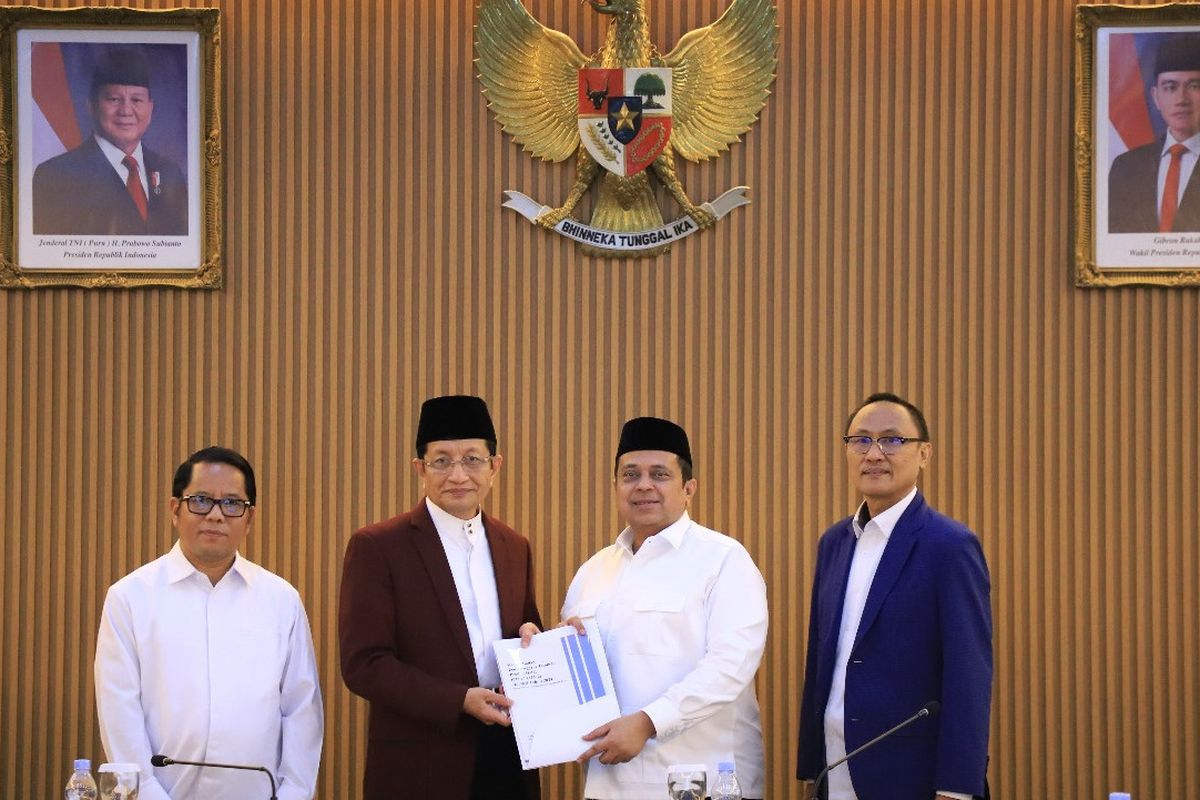
The Halal Product Assurance Organizing Agency (Badan Penyelenggara Jaminan Produk Halal/BPJPH) formally concluded its operational relationship with the Ministry of Religious Affairs on Tuesday, July 29, 2025, during a ceremonial handover event at the ministry’s headquarters in Jakarta.
This institutional transformation was formalized through the signing of an official transfer document, representing the culmination of organizational restructuring efforts within Indonesia’s current cabinet administration. The agency now operates as a non-ministerial government institution, granting it greater autonomy in its operations and decision-making processes.
Leadership Perspectives on the Change
Religious Affairs Minister Nasaruddin Umar characterized the separation as part of broader governmental reforms implemented following the establishment of the current cabinet structure. He emphasized that this institutional evolution reflects the maturation of Indonesia’s halal certification framework.
“This transition represents the natural progression of institutional development within our governance system,” Minister Umar explained during the ceremony. “The separation allows for enhanced operational efficiency while maintaining our commitment to halal industry excellence.”
The minister drew an analogy to familial relationships, suggesting that organizational independence often leads to greater achievement and innovation, much like children who eventually surpass their parents’ accomplishments.
Continued Collaboration Despite Independence
Despite the formal separation, both institutions have committed to maintaining cooperative relationships for the benefit of Indonesia’s halal industry development. Minister Umar assured that the Ministry of Religious Affairs would continue providing support and assistance whenever needed by the newly independent agency.
BPJPH Director Ahmad Haikal Hassan, commonly known as Babe Haikal, echoed these sentiments, expressing optimism about future collaboration between the organizations. He emphasized the agency’s commitment to fostering positive relationships that would benefit halal industry development across Indonesia’s diverse archipelago.
Ambitious Goals for Halal Industry Growth
Hassan outlined the agency’s strategic vision for the future, highlighting plans to strengthen institutional capacity, human resource development, and internal systems. The leadership aims to create a comprehensive halal ecosystem that serves both domestic and international markets effectively.
“Our commitment extends to building an inclusive national halal ecosystem that can compete on the global stage,” Hassan stated. “This involves enhancing our organizational capabilities, improving our workforce expertise, and refining our operational systems.”
The agency’s geographic vision encompasses the entire Indonesian archipelago, from the westernmost province of Aceh to the easternmost regions of Papua, ensuring comprehensive halal industry coverage across the nation’s vast territory.
Historical Context and Achievements
The separation comes after years of significant accomplishments in halal product certification while the agency operated under the Ministry of Religious Affairs. During this period, Indonesia has established itself as a major player in the global halal market, with the certification body playing a crucial role in ensuring product compliance with Islamic dietary laws.
The transition reflects Indonesia’s growing confidence in its halal industry infrastructure and the government’s recognition of the sector’s economic importance. As the world’s largest Muslim-majority country, Indonesia has positioned itself as a leader in halal product standards and certification processes.
Implications for Indonesia’s Halal Market
This institutional independence is expected to streamline halal certification processes and enhance the agency’s ability to respond to market demands. The separation allows for more focused attention on halal industry development without the administrative constraints that can sometimes accompany departmental operations.
The move also signals Indonesia’s commitment to professionalizing its halal certification system, potentially making it more attractive to international businesses seeking halal certification for global markets. This could strengthen Indonesia’s position as a hub for halal product development and certification in Southeast Asia.
Challenges and Opportunities Ahead
While the separation offers numerous opportunities for growth and innovation, the newly independent agency will face the challenge of establishing its operational independence while maintaining the quality standards that have made Indonesian halal certification respected internationally.
The agency must also continue addressing ongoing challenges in the halal certification process, including capacity building for auditors and technical staff, particularly in handling international standards and communication requirements for global trade.
Future Outlook
The establishment of BPJPH as an independent institution represents a milestone in Indonesia’s halal industry development. This change is expected to enhance the agency’s ability to serve both domestic and international markets while maintaining the high standards that have characterized Indonesian halal certification.
As Indonesia continues to develop its position as a global halal industry leader, this institutional transformation provides a foundation for enhanced service delivery, improved efficiency, and greater international competitiveness in the rapidly growing global halal market.
The separation marks not an ending, but rather the beginning of a new phase in Indonesia’s halal industry evolution, with both institutions committed to supporting the nation’s continued leadership in this important economic sector.
Original article:
kompas.com. (n.d.). Badan Penyelenggara Jaminan Produk Halal Resmi Berpisah dari Kemenag. Retrieved July 31, 2025, from https://nasional.kompas.com/read/2025/07/29/21010001/badan-penyelenggara-jaminan-produk-halal-resmi-berpisah-dari-kemenag