Hong Kong Businesses Expand Into Halal Food Market Amid Rising Demand
JAKARTA – Food manufacturers in Hong Kong are tapping into the expanding halal food sector, creating certified packaged products designed for both visiting tourists and Chinese dining establishments throughout Middle Eastern regions.
Recent discussions with industry professionals revealed that the current availability of halal-certified restaurants continues to lag behind local consumer demand in the territory.
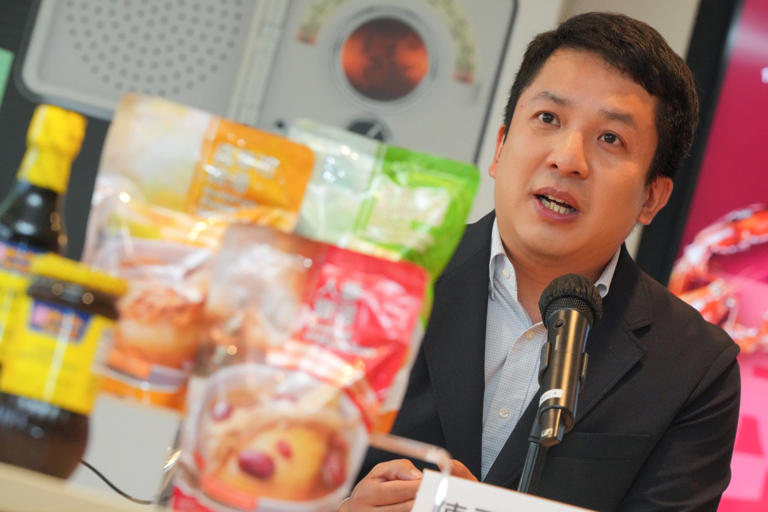
Leo Yuen Chung-on, founding chairman of the Hong Kong Food Science and Technology Association, noted during recent remarks that certification applications have experienced substantial increases in recent years. However, he emphasized that supply remains insufficient, particularly during Islamic holidays when tourist arrivals from Muslim nations peak and local Muslim communities increase their dining activities.
Government Initiative Drives Certification Growth
Hong Kong’s strategic pivot toward diversifying tourism sources, including Middle Eastern visitors, forms part of broader economic recovery efforts. The Hong Kong Tourism Board has collaborated with the Incorporated Trustees of the Islamic Community Fund of Hong Kong to encourage restaurant certification applications.
This partnership has yielded notable results. Certified establishments grew from approximately 100 venues at 2024’s start to over 170 by mid-April, encompassing upscale Chinese restaurants, traditional Cantonese establishments, and contemporary Hong Kong noodle shops. Additionally, restaurants without formal halal certification have begun incorporating vegetarian menu items to accommodate diverse dietary requirements, including Buddhist preferences.
The retail sector has also responded, with four Hong Kong brands now offering halal-certified baked goods, expanding souvenir choices for Muslim travelers.
Industry Perspectives on Market Potential
Francis Ho Ho-tak, founder of My Care Healthcare, which produces specialized pre-packaged meals, entered the halal market in 2022. His company now provides four certified products, including a modified XO sauce using shrimp roe instead of ham, available at Hong Kong International Airport.
Ho acknowledged increased interest in halal-friendly products while noting the substantial development timeline required. “Each product needs at least three months for research and development, plus additional certification time,” he explained, suggesting the market is currently focused on meeting existing demand rather than pursuing rapid expansion.
Daniel Chan from the century-old Koon Chun Sauce Factory offered a measured perspective on export growth potential. He pointed out that Muslim countries maintain their own food production capabilities, limiting outsourcing needs primarily to Cantonese specialties like sauces. His company obtained halal certification in 2014 to support a client’s Middle Eastern restaurant ventures, with current sales primarily serving airlines and hospitals.
Trade Statistics Reflect Growing Opportunities
Official trade data demonstrates the sector’s expansion potential. Hong Kong’s product exports to Muslim countries doubled from HK$2.7 billion in 2020 to HK$5.5 billion in 2024, representing a 19 percent average annual growth rate.
Re-exports through Hong Kong to these markets increased from HK$178.8 billion to HK$215.8 billion during the same period. Primary export categories include beverages, jewelry, and petroleum products, while re-exports focus on telecommunications equipment, electrical components, and data processing machinery.
This development represents Hong Kong’s broader strategy to leverage its position as a regional hub while addressing evolving consumer preferences in both local and international markets.
Original Article:
msn.comu. (n.d.). How Hong Kong firms are tapping the rising global demand for halal food products. Retrieved August 14, 2025, from https://www.msn.com/en-xl/news/other/how-hong-kong-firms-are-tapping-the-rising-global-demand-for-halal-food-products/ar-AA1KhmFO