Singapore Pioneers Digital Halal Certification Revolution
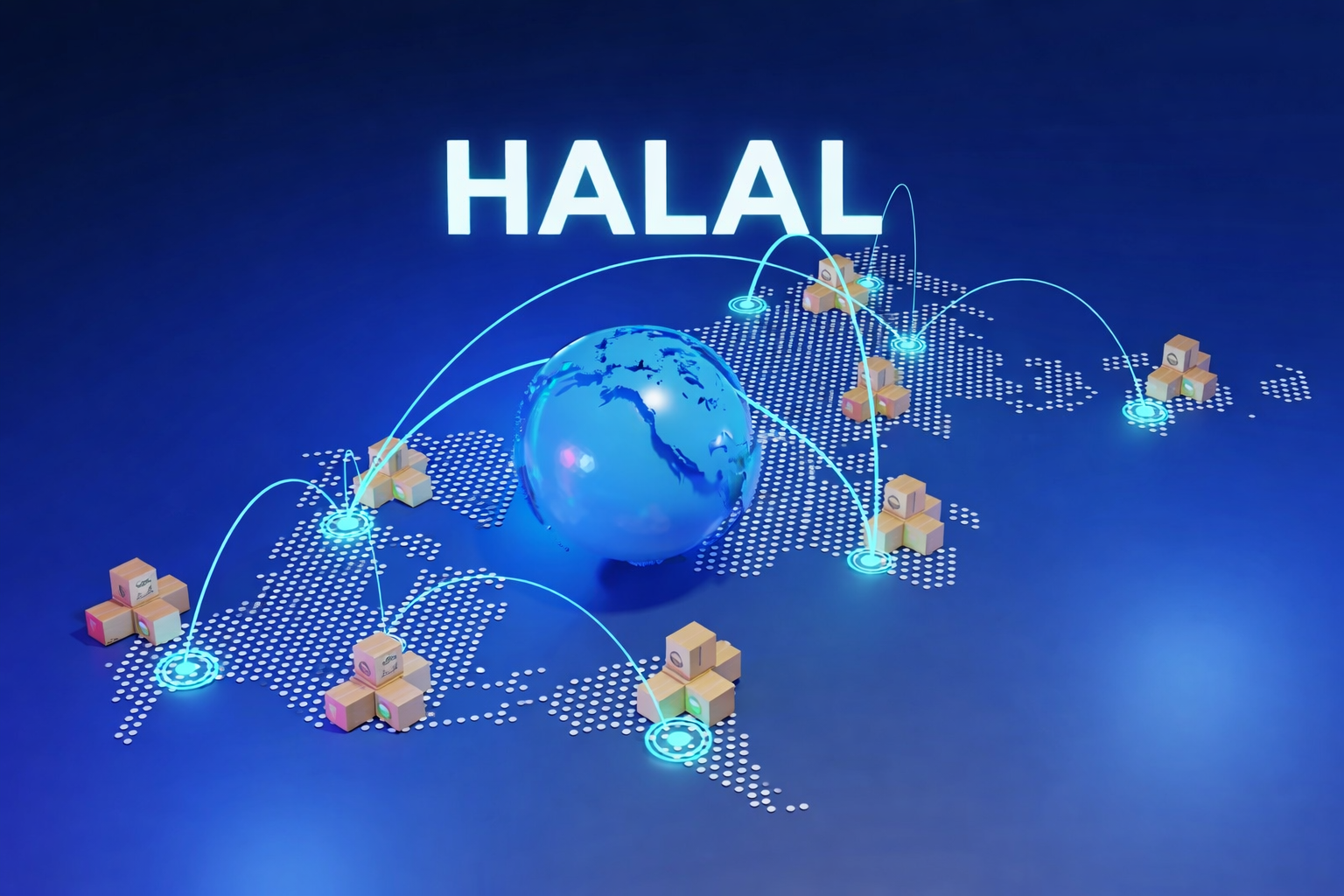
JAKARTA – Singapore is spearheading a technological transformation in halal certification systems, positioning itself at the forefront of digital innovation within the global halal industry. The Islamic Religious Council of Singapore (Muis) has unveiled a comprehensive digital overhaul that will fundamentally change how halal certification is displayed, verified, and managed across the nation.
The Digital Transformation Initiative
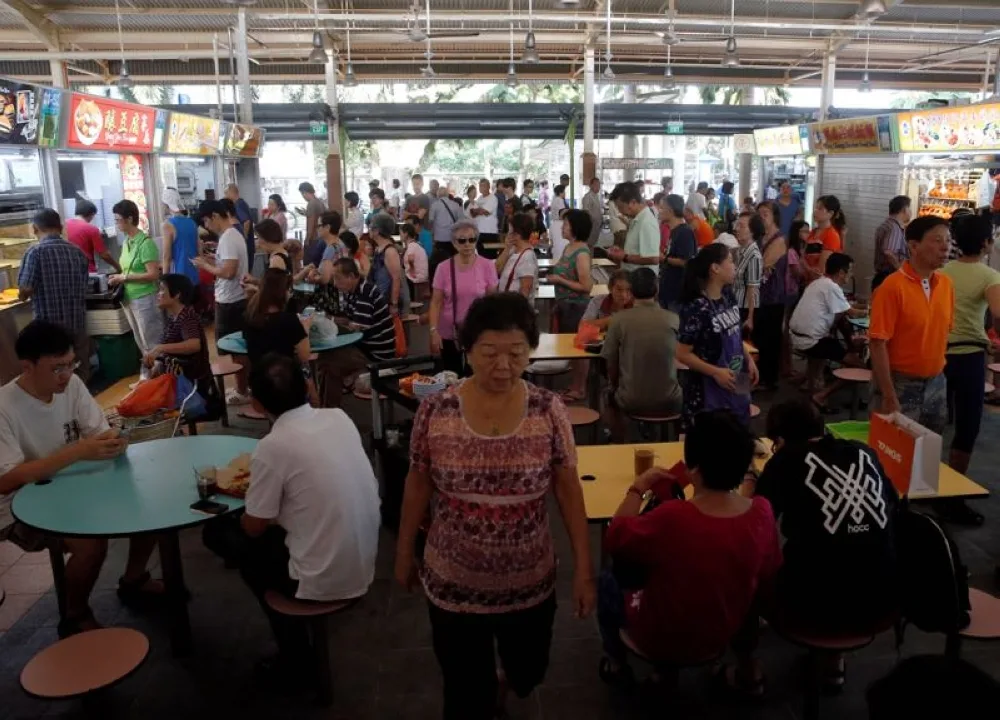
Beginning October 1, 2025, food establishments throughout Singapore will debut an innovative halal certification system featuring Quick Response (QR) codes. This technological shift represents more than just a cosmetic change—it signifies Singapore’s commitment to leveraging digital solutions to enhance consumer trust and regulatory efficiency.
The new system replaces traditional paper-based certificates with digital versions accessible through smartphone scanning. Each QR code connects users to a dedicated webpage containing comprehensive certification information, including validity periods, specific certification details, and real-time status updates. This immediate access to verification data represents a significant upgrade in transparency and consumer protection.
Acting Minister-in-charge of Muslim Affairs Faishal Ibrahim emphasized the broader significance of this initiative during the announcement at the Singapore Halal International Seminar. He highlighted how Singapore’s halal certification standards have evolved into regional benchmarks for quality and reliability, serving both local communities and international markets with consistent excellence.
Operational Advantages and Business Benefits
The transition to digital certification offers substantial operational improvements for businesses operating within Singapore’s halal ecosystem. Food establishments will no longer face the administrative burden of physically replacing certificates during renewal periods, streamlining maintenance processes and reducing associated costs.
The phased implementation approach demonstrates careful planning and consideration for business operations. While new digital certificates become available in October, food outlets utilizing current physical certificates have until March 2026 to complete the transition, providing adequate adjustment time for establishments to adapt their display systems and train staff on the new procedures.
Beyond restaurants and food outlets, the digital certification system extends to other critical components of the halal supply chain, including poultry processing facilities and centralized kitchen operations. This comprehensive approach ensures consistency across all segments of Singapore’s halal industry infrastructure.
Enhancing International Trade Efficiency
Parallel to the domestic certification upgrade, Singapore is launching an innovative online portal designed to revolutionize how foreign halal certification bodies gain recognition within the Singapore market. The new digital platform, accessible through a dedicated web address, promises to dramatically reduce processing times for international certifiers seeking approval to export halal products to Singapore.
The existing Foreign Halal Certification Bodies Recognition Scheme, established in 2011, previously relied on email-based submission processes that often required several months for completion. The new portal eliminates these inefficiencies by providing a centralized, automated system for application processing and status tracking.
This technological advancement addresses a critical need within Singapore’s food security framework. With approximately 15 percent of the population adhering to halal dietary requirements and limited domestic production capabilities, Singapore depends heavily on imported halal products. The streamlined recognition process for foreign certification bodies directly supports food security objectives while maintaining rigorous quality standards.
Building Consumer Confidence Through Technology
The integration of reporting mechanisms within the new system demonstrates Singapore’s proactive approach to combating certification fraud and misuse. Each QR code webpage includes accessible forms allowing consumers to report suspected violations or fraudulent activities directly to regulatory authorities.
This crowd-sourced monitoring approach leverages Singapore’s tech-savvy population to create an additional layer of oversight and quality assurance. By empowering consumers to participate actively in certification integrity maintenance, the system creates a collaborative framework for protecting halal standards across the nation.
International Recognition and Standards
Singapore’s digital halal certification initiative builds upon decades of reputation-building within the international halal industry. The recognition of 101 foreign halal certification bodies demonstrates the extensive network and trust relationships Singapore has cultivated with global partners.
The new online portal will feature comprehensive search functionality, enabling businesses importing halal products to easily verify the recognition status of foreign certification bodies. This transparency supports informed decision-making while reducing compliance risks for importers and distributors operating within Singapore’s market.
Future Implications and Industry Leadership
Singapore’s embrace of digital halal certification technology positions the nation as an innovator within the global halal industry. This initiative may influence other countries to adopt similar technological approaches, potentially leading to increased standardization and interoperability between different national halal certification systems.
The success of this digital transformation could establish Singapore as a model for other nations seeking to modernize their halal certification frameworks while maintaining rigorous standards and consumer protection measures.
For businesses operating within Singapore’s halal ecosystem, the new system represents an opportunity to enhance operational efficiency while benefiting from improved consumer trust and streamlined regulatory compliance. The combination of reduced administrative burden and enhanced transparency creates a more favorable business environment for halal-certified establishments.
Conclusion
Singapore’s transition to QR-coded halal certification represents a significant milestone in the evolution of halal industry regulation and consumer protection. By combining technological innovation with established quality standards, Singapore continues to strengthen its position as a trusted hub for halal commerce in Southeast Asia and beyond.
The initiative demonstrates how thoughtful application of technology can enhance traditional regulatory systems while maintaining the integrity and trust that consumers expect from halal certification. As the implementation progresses, Singapore’s digital halal certification system may well become the standard that other nations aspire to emulate.
Original Article:
Yahoo News. (2025, September 26). Singapore to introduce QR-coded halal certificate from Oct 1, replacing physical versions by March 2026. Retrieved from https://malaysia.news.yahoo.com/singapore-introduce-qr-coded-halal-092210594.html?guccounter=1&guce_referrer=aHR0cHM6Ly93d3cuZ29vZ2xlLmNvbS8&guce_referrer_sig=AQAAAFM3-rXKfUNxJRpYBbPoKKNn5PfFkpT7XRBch6xl0kYayHMKoWIrloGewZY7OW2WNOysfbpmJ5Kju0srL1ZL7WpYev1utpw7ruYKVtiKXd2wPEiuzSDVlBzP1Wc6cjmH7M9GobdTsFKSrEHuyEuBmAsn0mfvJ1kwZxFMsIJSVsqp