Vietnam-Malaysia Strategic Partnership: Unlocking the Global Halal Economy
JAKARTA – Vietnam is embarking on an ambitious journey to establish itself as a significant force in the global halal industry, leveraging strategic partnerships with Malaysia to accelerate its market entry and development capabilities. This emerging collaboration represents a pivotal shift in Vietnam’s economic diversification strategy, opening new pathways for growth in one of the world’s fastest-expanding consumer segments.
Building Bridges for Halal Market Entry
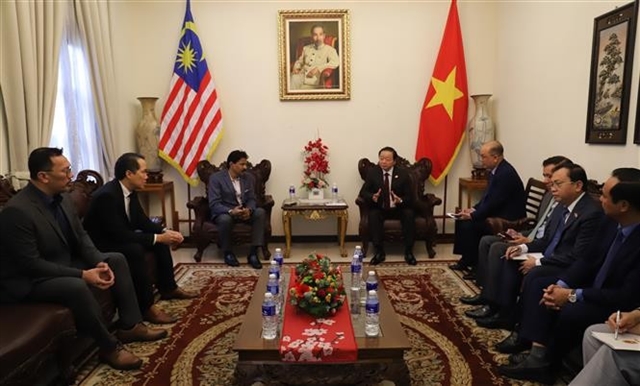
During high-level diplomatic meetings in Kuala Lumpur, Vietnamese Deputy Prime Minister Trần Hồng Hà engaged with key Malaysian business representatives to forge stronger bilateral ties focused specifically on halal industry development. These discussions took place alongside parliamentary activities related to the 46th General Assembly of the ASEAN Inter Parliamentary Assembly, highlighting the regional significance of this economic cooperation initiative.
The Malaysia-Vietnam Chamber of Commerce, through its president Richard Khor, presented a compelling vision for collaboration that would position Malaysia as Vietnam’s gateway to global halal markets. The proposed framework would enable Vietnamese companies to utilize Malaysia’s established halal infrastructure and internationally recognized certification systems as a launching platform for worldwide expansion.
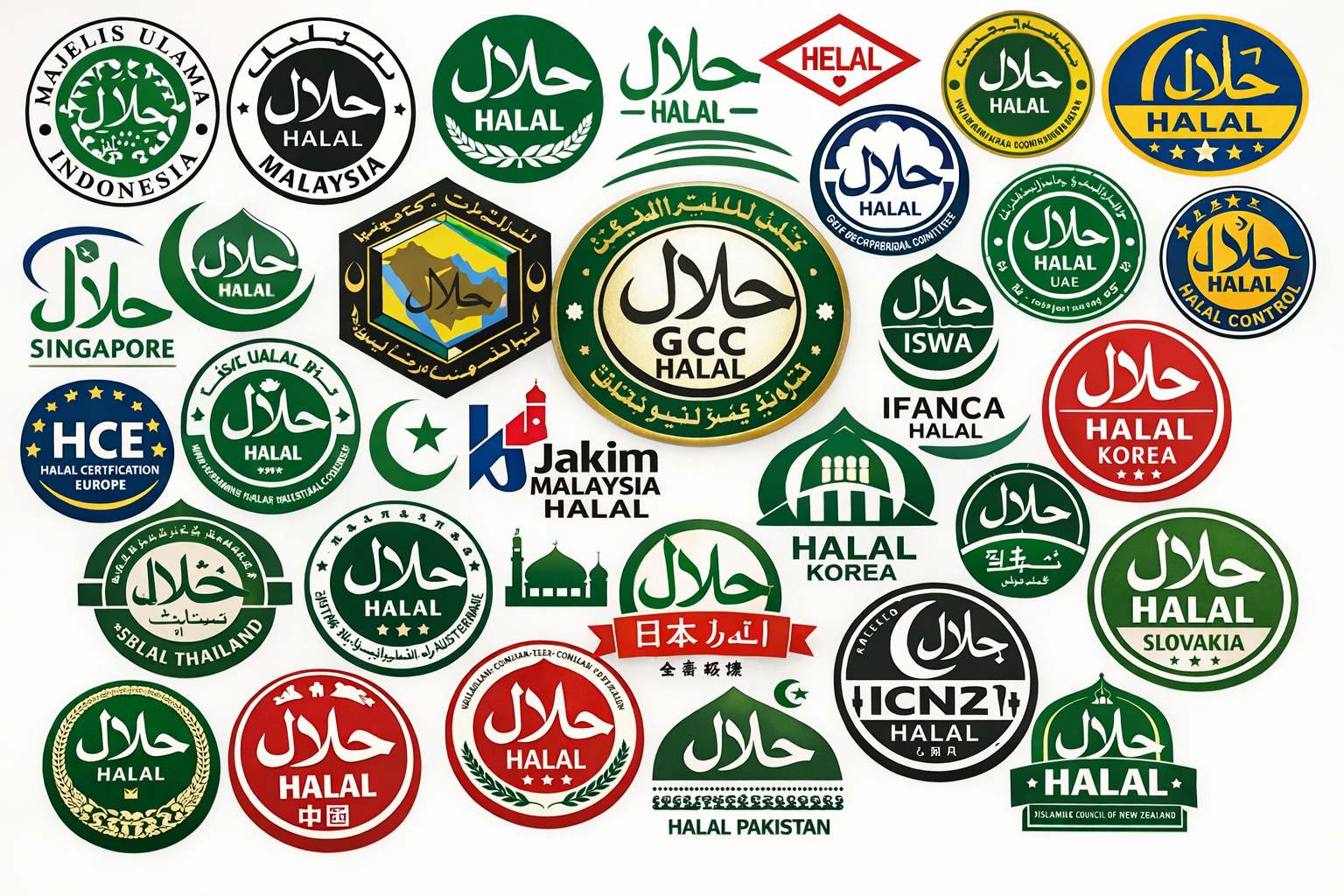
Central to this partnership is Vietnam’s access to JAKIM certification, Malaysia’s premier halal certification authority whose credentials carry significant weight in international markets. This access could prove transformational for Vietnamese manufacturers seeking to penetrate Muslim-majority markets across Asia, the Middle East, and beyond.
Vietnam’s Strategic Halal Vision
Deputy Prime Minister Hà articulated Vietnam’s recognition of the halal industry as a crucial economic diversification opportunity, acknowledging its potential to unlock substantial new revenue streams. Despite being relatively new to the halal sector, Vietnam is demonstrating serious commitment through systematic infrastructure development and regulatory framework establishment.
The cornerstone of Vietnam’s halal strategy involves constructing a comprehensive testing laboratory network designed to meet international standards. These facilities will serve as the foundation for domestic halal certification capabilities, reducing dependence on foreign certification bodies while building internal expertise and capacity.
Vietnam’s proposed collaboration framework encompasses several key areas: establishing mutual recognition agreements for halal certification, attracting investment across halal-related sectors including agriculture, tourism, pharmaceuticals, and cosmetics, facilitating Vietnamese product certification for global supply chain integration, and developing human resources through knowledge transfer and technical training programs.
Competitive Advantages and Market Positioning
Vietnam brings several distinct advantages to the halal industry landscape that differentiate it from regional competitors. The country’s demographic profile features a young, skilled workforce capable of adapting to specialized production requirements and quality standards demanded by halal markets.
Additionally, Vietnam’s rich agricultural heritage and diverse natural resources provide abundant raw materials for halal product manufacturing across multiple categories. This resource availability, combined with competitive labor costs and improving infrastructure, creates an attractive value proposition for both domestic development and foreign investment in halal production facilities.
The strategic geographic location offers logistical advantages for serving key halal markets in Southeast Asia while maintaining reasonable access to Middle Eastern and North African regions where halal products command premium pricing.
Expanding Beyond Traditional Boundaries
The Vietnamese government’s vision extends well beyond food and beverage applications, encompassing pharmaceutical manufacturing, cosmetics production, and supporting industries that serve the broader halal ecosystem. This comprehensive approach reflects understanding that the modern halal market encompasses lifestyle products and services far beyond traditional food categories.
Tourism development represents another significant opportunity, with Vietnam exploring halal-friendly travel services and hospitality offerings to attract Muslim visitors from Malaysia, Indonesia, and the Middle East. The country’s natural attractions, combined with appropriate service standards, could position Vietnam as a preferred destination for Muslim travelers.
Infrastructure Development and Investment Climate
Vietnam’s commitment to halal industry development extends to creating supporting infrastructure that facilitates business operations and investment attraction. The government is actively encouraging foreign enterprises with relevant technology, capacity, and experience to establish operations in Vietnam, particularly in areas related to industrial zone development and logistics infrastructure.
The proposed establishment of Malaysia-Vietnam Chamber of Commerce representative offices in major Vietnamese cities demonstrates the serious intent behind this partnership, providing ongoing support for businesses navigating cross-border operations and regulatory requirements.
Broader Economic Integration Opportunities
While halal industry development represents the primary focus of current discussions, the partnership framework encompasses broader economic cooperation across multiple sectors. These include energy infrastructure, digital transformation initiatives, green transition projects, telecommunications advancement, education collaboration, and healthcare system development.
Malaysian companies are being invited to explore investment opportunities through direct investment or joint venture arrangements, while Vietnamese enterprises are encouraged to consider expansion into Malaysian markets, particularly in electronics, semiconductor manufacturing, artificial intelligence applications, and food processing sectors.
Implementation Timeline and Next Steps
The success of this halal industry partnership will depend on effective implementation of proposed cooperation mechanisms and the establishment of clear regulatory frameworks that facilitate business operations while maintaining quality standards.
Priority areas for immediate action include negotiating mutual recognition agreements for halal certification, establishing technical cooperation programs for laboratory development and staff training, creating investment promotion mechanisms for halal-related sectors, and developing marketing strategies for Vietnamese halal products in international markets.
The partnership also emphasizes the importance of knowledge transfer and capacity building, with Malaysian experts expected to provide technical assistance for Vietnam’s halal laboratory system development and quality assurance program implementation.
Future Market Potential
Vietnam’s entry into the global halal market comes at an opportune time, with worldwide halal product demand continuing to expand rapidly driven by population growth in Muslim-majority countries and increasing adoption by non-Muslim consumers who associate halal with quality and safety standards.
The partnership with Malaysia provides Vietnam with access to established distribution networks, proven certification systems, and valuable market intelligence that could accelerate market penetration and reduce entry barriers typically faced by new market participants.
Success in this initiative could position Vietnam as a major regional halal production hub, complementing Malaysia’s role as a certification and distribution center while serving growing demand across Asia and beyond.
Conclusion
Vietnam’s strategic partnership with Malaysia in halal industry development represents more than bilateral cooperation—it signifies Vietnam’s recognition of the global halal economy’s importance and its determination to capture a meaningful share of this expanding market.
Through careful planning, strategic investment, and effective partnership leverage, Vietnam has the potential to transform from a halal market newcomer into a significant regional player, creating new economic opportunities while strengthening ASEAN economic integration and cooperation.
Original Article:
Vietnam News. (2025, September 26). Halal industry – new momentum for Việt Nam-Malaysia co-operation. Retrieved from https://vietnamnews.vn/economy/1725563/halal-industry-new-momentum-for-viet-nam-malaysia-co-operation.html