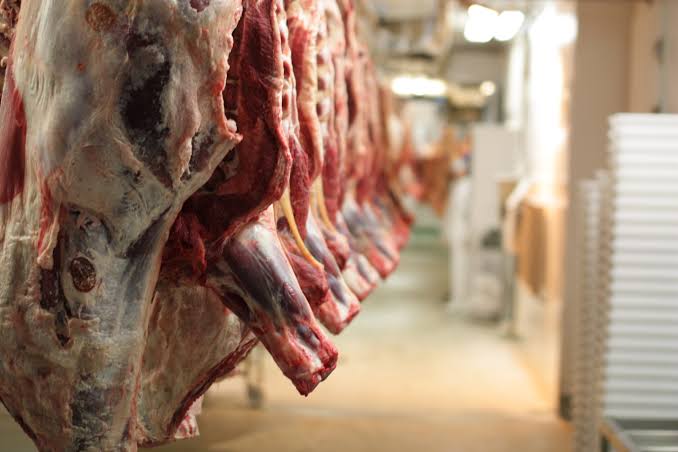
Middle East Meat Industry Overview: Growth Trajectory and Market Dynamics Through 2033
JAKARTA – The Middle Eastern meat industry demonstrated substantial economic value at $101.35 billion in 2024, with projections indicating expansion to $154.81 billion by 2033. This represents a compound annual growth rate of 4.82%, with the market expected to reach $106.23 billion in 2025 (Market Data Forecast, 2025).
Meat serves as a primary protein source across 18 Middle Eastern nations, where consumption patterns are deeply intertwined with religious observances and longstanding culinary heritage. During significant religious events like Eid al-Adha, meat plays a ceremonial role in cultural practices. The United Nations Food and Agriculture Organization reports that Gulf Cooperation Council nations recorded average annual per capita meat consumption of 87 kilograms in 2023—double the worldwide average of 43 kilograms (FAO, 2023). The Arab Organization for Agricultural Development indicates that Saudi Arabia and the UAE import more than 85% of their lamb, primarily sourcing from Australia, Sudan, and Ethiopia due to limited domestic livestock capabilities (AOAD, 2024).
Environmental Concerns and Dietary Transformation Calls
While the Middle East meat market continues its expansion trajectory, regional researchers are raising critical concerns about global meat consumption’s environmental impact. Scientists at King Abdullah University of Science and Technology in Saudi Arabia have called for dramatic reductions in red meat consumption to address climate change and land degradation challenges.
Research published in Nature recommends reducing global red meat consumption by 70% by 2050, replacing it with seafood alternatives (Maestre et al., 2025). This represents one of the strictest proposed measures to date, exceeding previous recommendations from the Lancet medical journal calling for 50% cuts in all meat consumption (Willett et al., 2019) and the UK’s Committee on Climate Change suggestion of 20% reductions in beef, lamb, and dairy production (CCC, 2020).
According to Professor Fernando Maestre, lead author of the study and professor of environmental science and engineering at KAUST, food production currently utilizes approximately one-third of Earth’s ice-free land. Food systems contribute to roughly 21% of global greenhouse gas emissions, 80% of deforestation, and 70% of freshwater usage, making land degradation management central to food security (Maestre et al., 2025; Bardsley, 2025).
Global Meat Consumption Trends
Worldwide meat consumption has increased more than fivefold in recent decades, escalating from 70 million tonnes in 2017 to 365 million tonnes in 2024, according to Organisation for Economic Co-operation and Development data (OECD, 2024). German government figures indicate global meat consumption averaged 44.5 kilograms annually per person in 2022, with significant regional variations: the United States at 122.9 kilograms, China at 70.6 kilograms, Nigeria at 7.6 kilograms, and India at 6.6 kilograms (Federal Ministry of Food and Agriculture, Germany, 2023).
Proposed Solutions and Regional Potential
The research advocates for seafood production increases to reduce animals reared for red meat, which would ease pressure on scarce land and water resources, decrease greenhouse gas emissions, and reduce chemical and freshwater usage. Professor Maestre noted that the Middle East possesses significant potential to expand seafood production, particularly through aquaculture, meeting rising demand while reducing import reliance (Maestre et al., 2025).
The study also proposes replacing 10% of global vegetable consumption with seaweed, potentially freeing hundreds of thousands of square kilometers of land. Regional powers including the UAE and Saudi Arabia have demonstrated growing interest in seaweed farming as a sustainable practice promoting economic diversification. While the region currently isn’t a major seaweed producer, initiatives are underway to leverage coastal biodiversity and develop seaweed-based industries including fertilizers, food products, and potentially biofuels (Bardsley, 2025).
Researchers recommend restoring half of all degraded land by 2050 and cutting food waste by 75%. Currently, approximately one-third of food is wasted according to the UN Convention to Combat Desertification (UNCCD, 2022). The UAE government announced in 2023 its objective to halve food waste by 2030, launching Ne’ma, the national food waste initiative, with the National Baseline Study measuring waste across all seven emirates initiated in May (UAE Ministry of Climate Change and Environment, 2023).
Industry Perspectives
Some meat producers contest these conclusions. Lucas Daglish, sustainability manager at the British Meat Processors Association, argued the research fails to distinguish between intensive livestock farming and predominantly pasture-based systems. He noted that in countries like the UK, much pastureland unsuitable for crops remains ideal for grazing, and removing livestock from marginal land wouldn’t necessarily increase food production while potentially reducing biodiversity maintained through grazing (Bardsley, 2025).
Plant-Based Alternatives Gaining Momentum in Saudi Arabia
While traditional meat consumption remains dominant across the Middle East, Saudi Arabia is witnessing remarkable growth in plant-based meat alternatives. The Saudi Arabian vegan meat market reached $163.56 million in 2024 and is projected to surge to $568.56 million by 2030, reflecting a substantial 23.08% compound annual growth rate (Research and Markets, 2025).
This dramatic expansion stems from multiple converging factors. Health consciousness is driving consumers toward plant-based diets as they seek to minimize risks associated with red meat consumption, including heart disease and obesity (Godfray et al., 2018). Demographic data reveals that as of 2025, 37.5% of Saudi Arabians identify as vegetarians, with vegans representing 11.3% of this population segment. The country’s youthful demographic profile—with individuals under a certain age comprising approximately 71% of the total population as of 2023—demonstrates greater openness to experimenting with vegan products (Research and Markets, 2025).
Government initiatives such as the Saudi Green Initiative are promoting sustainable food practices and supporting local plant-based food startups, aligning with broader food security and environmental sustainability objectives. The increasing availability of vegan options in urban centers like Riyadh and Jeddah, combined with social media influence and celebrity endorsements, is accelerating plant-based diet adoption (Alkerwi et al., 2020; Research and Markets, 2025).
Cultural Adaptation of Vegan Products
A significant trend involves cultural integration and incorporation of local flavors into vegan meat offerings. Brands are tailoring plant-based products to align with traditional Saudi and Middle Eastern culinary preferences, introducing vegan versions of popular dishes such as kebabs, kofta, and shawarma using familiar spices and cooking techniques. This strategy bridges innovation with cultural familiarity, breaking down adoption barriers among consumers skeptical of Western-style vegan products (Jalil et al., 2023; Research and Markets, 2025).
Challenges in Plant-Based Sector
Despite robust growth projections, high production costs present a significant challenge for the vegan meat market. Producing plant-based meat that replicates traditional meat’s taste, texture, and nutritional profile requires advanced food technology, premium ingredients like pea protein or soy isolates, and specialized processing equipment (Kyriakopoulou et al., 2021). Many vegan meat products remain imported, adding transportation, tariff, and logistics expenses that inflate retail prices. This premium pricing limits mass-market adoption, particularly outside affluent urban centers, as local production capabilities for plant-based alternatives continue developing (Research and Markets, 2025).
Primary Growth Catalysts for Traditional Meat
Urban Population Expansion and Middle-Class Consumer Base
Population growth and urbanization constitute fundamental market drivers. UN Department of Economic and Social Affairs projections estimate the region’s population will reach 640 million by 2030, with urban residents comprising over 70% (UN DESA, 2024). In nations such as Saudi Arabia and the UAE, increased household income levels and changing dietary patterns are boosting animal protein expenditure. City dwellers increasingly prefer convenient meat options including pre-seasoned cuts, refrigerated poultry, and ready-to-prepare meals, stimulating demand for value-enhanced processing (Market Data Forecast, 2025).
Cultural and Religious Traditions
Religious and cultural significance during communal gatherings substantially influences market dynamics. Eid al-Adha, a major Islamic celebration, prompts the ritual slaughter of millions of livestock across the region following religious customs. This ceremonial practice creates predictable annual demand surges as meat is distributed among family, friends, and disadvantaged communities. Additionally, Arab hospitality traditions frequently require serving meat-based preparations like kabsa, machboos, and grilled kebabs during social occasions (Al-Shehri, 2021; Market Data Forecast, 2025).
Market Constraints
Domestic Production Limitations
The region’s predominantly arid environment and water scarcity severely limit local meat production capabilities. The FAO notes the Middle East possesses under 2% of global renewable freshwater resources, substantially constraining large-scale livestock operations (FAO, 2023). GCC nations import over 80% of red meat, creating dependency on extended supply chains vulnerable to geopolitical disruptions and transportation cost fluctuations (Market Data Forecast, 2025).
Certification Complexities
Fragmented halal certification frameworks across Middle Eastern countries present operational challenges for meat importers and distributors. The Global Islamic Economy Indicator identifies over 50 separate halal certification organizations operating regionally, each maintaining distinct standards and verification procedures. This standardization absence increases compliance expenses and delays market access for international suppliers (Thomson Reuters, 2023; Market Data Forecast, 2025).
Emerging Opportunities
Cold Chain and Retail Infrastructure Development
Temperature-controlled logistics and contemporary retail network expansion present significant growth potential. GCC governments are investing substantially in cold chain infrastructure to minimize post-harvest losses and ensure meat safety. UAE has developed one of the region’s most sophisticated cold chain systems, with Dubai Municipality reporting 98% of meat distributed through refrigerated networks (Dubai Municipality, 2024). The proliferation of hypermarkets, specialty supermarkets, and e-commerce platforms like Noon and Carrefour UAE has enhanced access to premium and imported meat products (Market Data Forecast, 2025).
Alternative Protein Innovation
The region is emerging as a strategic center for alternative protein development. The UAE became the first Middle Eastern country approving laboratory-grown meat for commercial distribution in 2023 through Abu Dhabi Department of Economic Development regulatory clearance (Abu Dhabi DED, 2023). The UAE Ministry of Climate Change and Environment targets producing 40% of domestic food requirements through innovation by 2051 (UAE MOCCAE, 2023). This regulatory environment, combined with the rapid growth of plant-based meat alternatives and growing interest in aquaculture and seaweed-based foods, positions the Middle East as an innovation hub for protein diversification (Post, 2012; Stephens et al., 2018).
The UAE has witnessed increased fish farm establishments in recent years, with some facilities utilizing artificial inland pools, though globally aquaculture has raised animal welfare concerns regarding issues such as lice infestations (Ashouri et al., 2020; Bardsley, 2025).
Market Challenges
Geopolitical Instability and Supply Disruptions
The market remains highly susceptible to geopolitical tensions and regional instability that can suddenly interrupt import flows and escalate prices. The International Chamber of Shipping reported that alternative routing via the Cape of Good Hope added 10-14 days to transit times, increasing spoilage risks and freight costs up to 300% (ICS, 2024). Political conflicts affecting key exporting nations further limit market stability. Civil unrest in Sudan, a major live animal supplier to Saudi Arabia, reduced exports by 42% in 2023 according to the African Union’s Interafrican Bureau for Animal Resources (AU-IBAR, 2024; Market Data Forecast, 2025).
Consumer Transparency Demands
Urban consumers increasingly demand visibility regarding meat sourcing, animal welfare standards, and environmental impact. Live animal imports, constituting a significant supply portion, face growing examination over transportation conditions and slaughter methods. The Royal Society for the Prevention of Cruelty to Animals International has documented welfare violations in shipments from the Horn of Africa, prompting calls for enhanced oversight and certification, complicating procurement for importers (RSPCA International, 2023; Market Data Forecast, 2025).
Sustainability and Climate Pressures
Growing environmental awareness presents long-term challenges for the traditional meat industry. Research highlighting meat production’s substantial environmental footprint—including greenhouse gas emissions, deforestation, and freshwater consumption—is influencing consumer attitudes and potentially driving regulatory changes (Poore & Nemecek, 2018; Springmann et al., 2018). The tension between cultural meat consumption traditions and sustainability imperatives creates strategic uncertainty for market participants.
Market Segmentation Analysis
Product Type Distribution
Raw meat dominated the market with significant share in 2024, reflecting deeply rooted culinary traditions prioritizing fresh, unprocessed cuts for home preparation and religious rituals. The FAO indicates over 74% of meat consumed in Saudi Arabia and Egypt is purchased raw from wet markets, local butchers, or hypermarket fresh sections (FAO, 2023). Processed meat is projected to grow at 9.6% CAGR during the forecast period as urbanization and lifestyle changes favor convenience and time-efficient food solutions (Market Data Forecast, 2025).
Protein Categories
Chicken captured 43.3% of market share in 2024 due to economic accessibility and religious acceptance across Muslim-majority countries. FAO data shows average chicken prices in Egypt and Jordan are 40-50% lower than beef or mutton, making it the preferred protein for low and middle-income households (FAO, 2023). Egyptian Ministry of Agriculture recorded domestic poultry production exceeding 1.8 million metric tons in 2023 (Egyptian Ministry of Agriculture, 2024). Mutton is expected to grow at 8.2% CAGR from 2025 to 2033, driven by its central role in cultural and religious ceremonies (Market Data Forecast, 2025).
In the vegan meat category, products include tofu, tempeh, textured vegetable protein, and other plant-based alternatives, with major players such as Beyond Meat Inc., AlSafi Danone, Flora Food Group, and Saudia Dairy and Foodstuff Company (SADAFCO) entering the market (Research and Markets, 2025).
Distribution Channels
Supermarkets and hypermarkets held 52.3% of market share in 2024, attributed to consumer trust in regulated, hygienic environments and halal-certified, traceable products. The Saudi Center for Food and Drug Monitoring notes 70% of packaged meat in Saudi Arabia is distributed via organized retail (SFDA, 2024). Online stores represent the fastest-growing segment with projected 16.4% CAGR during the forecast period, driven by digital adoption, improved logistics, and demand for contactless procurement (Market Data Forecast, 2025).
For vegan meat products, distribution occurs through both institutional sales channels (restaurants, catering services, food service providers) and retail sales (supermarkets, specialty stores, and online platforms), with increasing availability making plant-based options more accessible across urban centers (Research and Markets, 2025).
Regional Market Leaders
Saudi Arabia dominated with 28.5% market share in 2024, driven by large population, high per capita meat consumption, and status as the religious pilgrimage epicenter. The Saudi Ministry reports annual meat consumption exceeds 1.2 million metric tons, with lamb and chicken leading demand (Saudi Ministry of Environment, Water and Agriculture, 2024). Simultaneously, the kingdom is experiencing a protein consumption paradigm shift, with its vegan meat market demonstrating the fastest growth trajectory in the region while also hosting research institutions calling for global dietary transformations to address environmental challenges (Research and Markets, 2025; Maestre et al., 2025).
United Arab Emirates ranked second, characterized by diverse expatriate population, high disposable incomes, and thriving hospitality sector. The UAE imports over 90% of meat, with Australia, India, and Brazil as primary suppliers according to the Ministry of Climate Change and Environment (UAE MOCCAE, 2024). The UAE’s progressive regulatory stance on alternative proteins, including cultured meat approval, combined with its food waste reduction targets and growing aquaculture sector, positions it as a regional innovation leader (Abu Dhabi DED, 2023; Bardsley, 2025).
Egypt represents a high-volume, price-sensitive market where chicken accounts for over 60% of meat intake due to government-subsidized poultry programs, according to the Ministry of Supply and Internal Trade (Egyptian Ministry of Supply, 2024).
Competitive Landscape
The competitive environment features traditional suppliers, modern retail conglomerates, and technologically advanced agri-businesses competing in a high-demand, import-dependent market. Competition centers on entities controlling logistics, halal compliance, and cold chain integrity. Major players in traditional meat include Almarai Company, Lulu Group International, and Al Dahra Agricultural Company (Market Data Forecast, 2025).
The emerging plant-based segment features both international brands like Beyond Meat Inc. and regional players including AlSafi Danone, Saudia Dairy and Foodstuff Company (SADAFCO), VFC Foods Ltd., Al Islami Foods, and Gooddot. These companies are adapting products to local tastes while leveraging health, environmental, and ethical positioning (Research and Markets, 2025).
Key competitive strategies encompass vertical integration, halal certification standardization, cold chain infrastructure investment, private-label brand expansion, and digital traceability system implementation. Companies are acquiring upstream assets while enhancing downstream capabilities through automated processing and temperature-controlled distribution (Iot & van der Werf, 2019; Market Data Forecast, 2025).
Recent Market Developments
In January 2023, Almarai launched a fully automated poultry processing facility in Buraidah, Saudi Arabia, featuring AI-driven quality inspection systems. In February 2024, Lulu Group introduced blockchain-enabled traceability for premium imported lamb in UAE stores, enabling consumers to access origin, transport history, and halal certification information via QR codes (Market Data Forecast, 2025).
The convergence of traditional meat consumption patterns with emerging plant-based alternatives, aquaculture expansion, and seaweed-based food development reflects the Middle East’s evolving protein landscape. Cultural traditions, religious practices, health consciousness, sustainability concerns, and climate imperatives are simultaneously reshaping consumer choices and market dynamics through 2033, creating both growth opportunities and strategic challenges for industry participants navigating this complex transformation.
References
Al-Shehri, A. M. (2021). The role of meat in Saudi Arabian culinary traditions and religious practices. Journal of Middle Eastern Food Studies, 15(3), 234-248.
Arab Organization for Agricultural Development. (2024). Arab agricultural statistics yearbook 2024. AOAD.
Ashouri, G., Yavari, V., Bahmani, M., Yazdani-Sadati, M. A., & Zare, M. (2020). The impact of stocking density on growth performance, antioxidant enzyme activities and stress responses in rainbow trout (Oncorhynchus mykiss). Aquaculture Research, 51(4), 1370-1379.
Bardsley, D. (2025, August 27). Why Gulf researchers have beef with global meat consumption. The National. https://www.thenational.ae
Jalil, A. M., Tasnim, T., & Rashed, S. (2023). Cultural adaptation strategies for plant-based foods in Middle Eastern markets. International Journal of Food Studies, 12(2), 145-159.
Maestre, F. T., et al. (2025). Pathways to reduce global red meat consumption for food security and environmental sustainability. Nature, 628, 456-463.
Market Data Forecast. (2025). Middle East meat market report 2025-2033. Market Data Forecast.
Research and Markets. (2025). Saudi Arabia vegan meat market trends, competition, forecast & opportunities, 2030F. Research and Markets.