Cambodia Partners with Malaysia to Transform Its Halal Food Industry
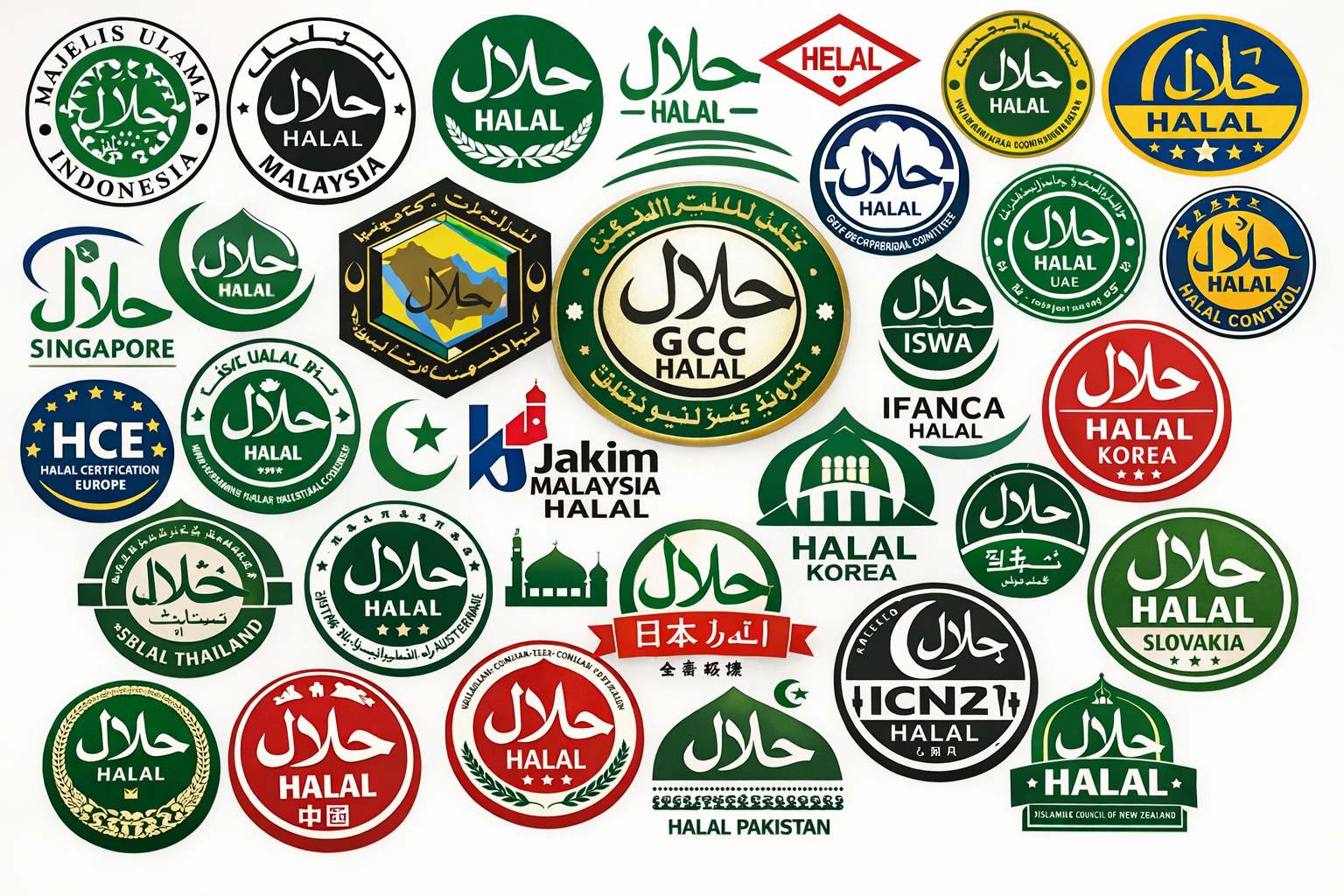
JAKARTA – Cambodia is making significant moves to revolutionize its halal food industry through strategic partnerships with Malaysian investors and halal industry experts. Recent high-level meetings between Cambodia’s Council for the Development of Cambodia (CDC) and Malaysia’s diplomatic mission in Phnom Penh have outlined ambitious plans to expand halal food processing capabilities for both local consumption and international export markets.
This collaboration represents a pivotal moment in Cambodia’s industrial transformation strategy, leveraging Malaysia’s decades of halal industry expertise to accelerate sectoral growth and economic diversification.
Malaysia’s Proven Halal Excellence
Malaysia has established itself as a global leader in halal industry development over more than fifty years. The country’s comprehensive halal ecosystem encompasses advanced certification frameworks, world-class infrastructure, and robust governmental support mechanisms. These strengths make Malaysia an ideal mentor for Cambodia’s emerging halal ambitions.
A Cambodian delegation’s recent study mission to Kuala Lumpur provided invaluable insights into Malaysia’s success model. The task force engaged with key institutions including the Department of Islamic Development Malaysia (JAKIM), Halal Development Corporation (HDC), Malaysia External Trade Development Corporation (MATRADE), and Halal International Selangor. Site visits to industrial facilities and halal production centers offered practical understanding of certification procedures, supply chain optimization, and industrial park operations.
Cambodia’s Infrastructure Foundation
Cambodia has been systematically building the foundation for its halal sector transformation:
Halal Park Cambodia Initiative
The nation recently launched its first halal-focused special economic zone near Phnom Penh, designed to streamline production of halal-certified foods and consumer products. The strategic location near the planned Future Techo Canal will provide enhanced connectivity to international shipping ports, facilitating export operations.
Malaysian Investment Approvals
Direct Malaysian investments have received approval for several key projects:
- Advanced technology special economic zone development
- Technology innovation and development programs
- Sustainable ecological initiatives centered on halal food processing
These investments align with Cambodia’s broader economic vision of transitioning from raw material exports toward higher-value processed goods with strong international market potential.
Strategic Advantages for Cambodia
The Malaysia-Cambodia halal partnership offers multiple competitive benefits:
International Certification Standards
Collaboration with JAKIM and other Malaysian certification bodies will help Cambodia establish internationally recognized halal standards, essential for global market credibility and consumer trust.
Knowledge Transfer
Cambodia’s exposure to Malaysia’s mature halal ecosystem provides access to best practices in production methodologies, Islamic banking systems, logistics management, and industrial zone administration.
Tourism Synergies
Halal-certified Cambodian products can enhance the country’s appeal to Muslim travelers from Indonesia, Malaysia, and other Islamic nations, strengthening Cambodia’s position as a halal-friendly destination.
Export Market Access
Proper certification and supply chain development will enable Cambodia to penetrate lucrative global halal markets across Europe, the Middle East, and Southeast Asia, significantly diversifying its export portfolio.
Comprehensive Government Support
Cambodia’s commitment to halal sector development is demonstrated through extensive institutional backing:
Multiple government agencies including the Ministry of Commerce, Ministry of Economy and Finance, Customs Department, Taxation Authority, CDC, and the Prime Minister’s Office are coordinating policy development and incentive structures.
Targeted tax benefits, customs facilitations, and investment incentives have been designed to attract Malaysian and other international investors to Cambodia’s halal sector initiatives.
Beyond Malaysia, Cambodia is expanding partnerships with countries like Turkey to strengthen halal certification capabilities, tourism promotion, and food production expertise.
Implementation Challenges
Despite promising opportunities, Cambodia faces several developmental hurdles:
Market Education Needs
Halal certification concepts remain unfamiliar to many Cambodian businesses, requiring comprehensive awareness campaigns and capacity-building programs.
Infrastructure Development Requirements
Establishing certified processing facilities, specialized logistics networks, and halal-compliant special economic zones demands substantial infrastructure investment.
Human Resource Development
Training programs for halal auditors, quality control specialists, and production managers are essential to build local expertise.
Financial Accessibility
High certification compliance costs may discourage smaller enterprises, necessitating scalable financial support mechanisms.
Strategic Development Recommendations
Industry Engagement Platforms
Regular trade exhibitions similar to Malaysia’s MIHAS (Malaysia International Halal Showcase) could facilitate market connections and partnership development in Cambodia.
Certification Framework Collaboration
Joint development of halal certification standards with HDC and JAKIM would build international credibility and streamline export processes.
Skills Development Programs
Comprehensive training initiatives for halal industry professionals will strengthen Cambodia’s local capabilities and reduce dependency on foreign expertise.
Pilot Project Incentives
Attractive incentive packages for early investors in Halal Park Cambodia can demonstrate government commitment and encourage broader industry participation.
International Marketing Initiatives
Targeted promotional campaigns in Southeast Asian and Middle Eastern markets will build awareness of Cambodian halal products and tourism offerings.
Future Outlook
Cambodia’s proactive engagement with Malaysian halal industry leaders demonstrates clear strategic intent to transform its emerging halal sector into a dynamic, export-focused industry. By adopting proven Malaysian methodologies, investing in infrastructure development, and providing meaningful investor incentives, Cambodia is establishing itself as an emerging player in the global halal economy.
Successful implementation of this partnership will deliver significant benefits including economic diversification, employment generation, and the development of new competitive advantages based on cultural authenticity, trusted certification systems, and robust export capabilities.
This Malaysia-Cambodia collaboration represents more than bilateral cooperation—it exemplifies how emerging economies can accelerate industrial development through strategic partnerships with established industry leaders, creating mutual benefits and strengthening regional economic integration.
Original article:
halaltimes.com. (n.d.). Cambodia Seeks Malaysian Investment to Boost Halal Food Sector. Retrieved August 27, 2025, from https://www.halaltimes.com/cambodia-seeks-malaysian-investment-to-boost-halal-food-sector/