Saudi Arabia’s Halal Beauty Industry Set for Explosive Growth to $11.16 Billion
JAKARTA – Saudi Arabia’s halal cosmetics sector is experiencing unprecedented expansion, with market projections indicating growth from $3.57 billion in 2024 to an impressive $11.16 billion by 2033. This remarkable trajectory represents a robust 13.5% compound annual growth rate, highlighting the Kingdom’s emergence as a global powerhouse in faith-compliant beauty products.
This extraordinary growth reflects more than mere market dynamics—it represents a fundamental shift where religious principles, contemporary aesthetics, and conscious consumerism converge to create a unique beauty landscape that resonates with both local values and international trends.
Driving Forces Behind the Halal Beauty Revolution
Religious Alignment with Modern Lifestyle
The increasing popularity of halal-certified cosmetics stems from Saudi consumers’ desire to align their beauty routines with Islamic principles. Modern Muslim consumers are becoming increasingly sophisticated about product ingredients, actively avoiding components such as ethanol or animal-derived substances that may conflict with halal standards. This awareness has transformed halal certification from a niche preference into a mainstream requirement.
Government Vision and Strategic Support
Saudi Arabia’s ambitious Vision 2030 initiative has identified the halal cosmetics sector as a cornerstone of economic diversification away from oil dependency. The government is actively promoting local manufacturing capabilities, facilitating international partnerships, and providing investment incentives to build a comprehensive halal supply chain ecosystem that supports both domestic consumption and export ambitions.
Demographic Dividend and Digital Influence
The Kingdom’s youthful demographic, with approximately 63% of the population under 30 years old, is driving revolutionary changes in beauty consumption patterns. These digitally native consumers blend global beauty trends with traditional values, demanding products that offer both performance and ethical compliance. Their extensive social media engagement amplifies halal beauty awareness across urban and emerging markets.
Digital Commerce and Influencer Marketing
The proliferation of e-commerce platforms and beauty influencers across Instagram, TikTok, and YouTube has democratized access to halal cosmetics information and products. Beauty content creators are actively promoting certified products, creating widespread awareness and adoption that extends beyond traditional retail channels.
Market Opportunities and Industry Challenges
Growth Opportunities
Premium Market Expansion: Rising disposable incomes enable consumers to invest in high-quality halal skincare and makeup products, creating opportunities for luxury and premium segments.
Product Innovation: Increasing demand for vegan halal formulations, gender-inclusive product lines, and organic beauty solutions presents significant innovation opportunities for manufacturers.
International Market Penetration: Saudi halal beauty brands have substantial potential to expand into Muslim-majority markets globally, while also appealing to non-Muslim consumers prioritizing ethical and clean beauty products.
Industry Challenges
Certification Complexity: Maintaining halal compliance requires rigorous supply chain auditing and transparent sourcing, potentially increasing operational costs for manufacturers.
Economic Accessibility: While affluent consumers drive premium segment growth, ensuring affordability for middle-income demographics remains challenging for broader market penetration.
Competitive Intensity: International beauty conglomerates are increasingly entering the halal space, intensifying competition for domestic manufacturers seeking market share.
Global Context and International Integration
Saudi Arabia’s halal cosmetics boom occurs within a broader global movement, where the worldwide halal beauty market exceeds $40 billion in 2024 and is projected to double within a decade. International corporations from Europe, Asia, and the Middle East are investing heavily in halal-compliant research and development initiatives.
This global momentum benefits Saudi Arabia as multinational companies develop products specifically for local preferences, while domestic brands enhance their international competitiveness. The synthesis of global innovation with local cultural authenticity positions Saudi Arabia uniquely to establish international halal beauty standards.
Product Category Analysis and Consumer Preferences
The Saudi halal cosmetics market encompasses diverse product categories serving varied consumer needs:
Personal Care Essentials: Daily-use products including cleansers, moisturizers, and body care items form the market foundation.
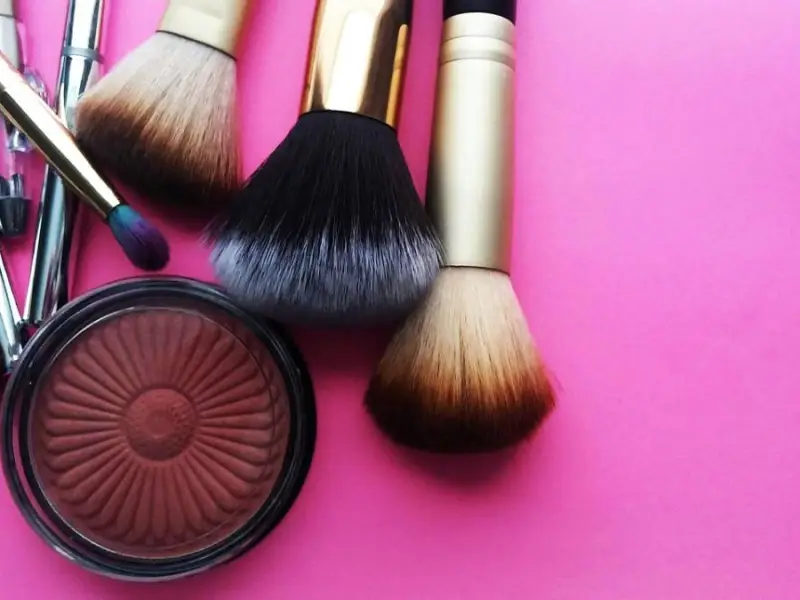
Color Cosmetics: Makeup products such as foundations, lipsticks, and eye cosmetics show increasing demand for long-wearing, skin-beneficial formulations.
Fragrance Products: Alcohol-free perfumes and scented products remain consistently popular among Saudi consumers.
Skincare Solutions: Natural and organic halal-certified skincare products are experiencing rapid growth, particularly among female consumers seeking premium quality.
Hair Care Products: Chemical-free shampoos, conditioning treatments, and styling products cater to health-conscious consumers prioritizing ingredient safety.
This product diversification ensures market accessibility across economic segments, from value-conscious buyers to luxury-seeking premium consumers.
Future Industry Trajectory and Strategic Priorities
The next decade will witness transformative changes in Saudi Arabia’s halal cosmetics landscape as domestic and international stakeholders invest in innovation, branding, and market expansion. Critical development areas include:
Environmental Sustainability: Eco-conscious packaging and ethically sourced ingredients will become essential competitive differentiators as consumer environmental awareness increases.
Educational Initiatives: Comprehensive consumer education about halal standards, ingredient benefits, and certification processes will strengthen market trust and informed purchasing decisions.
Regional Hub Development: Saudi Arabia is positioned to become the Middle East’s primary halal cosmetics manufacturing and distribution center, leveraging its strategic location and government support.
Market Impact and Global Significance
The transformation of Saudi Arabia’s halal cosmetics sector represents far more than statistical growth—it embodies a profound evolution in consumer behavior where faith, fashion, and progressive policy converge. Driven by religious conviction, aesthetic aspirations, and forward-looking government initiatives, the industry is developing into a multi-billion dollar sector that maintains global beauty standards while preserving Islamic authenticity.
By 2033, with projected market value reaching $11.16 billion, Saudi Arabia will establish itself as a leader in the global halal beauty movement. For international investors, entrepreneurs, and beauty brands, the Kingdom offers exceptional opportunities to participate in a dynamic market where spiritual values meet innovation excellence, and traditional principles seamlessly integrate with contemporary beauty trends.
This remarkable growth story positions Saudi Arabia not merely as a consumer market, but as a trendsetter in the global evolution of faith-compliant beauty products that appeal to conscious consumers worldwide.
Original article:
halaltimes.com. (n.d.). Saudi Arabia Halal Cosmetics Market to Hit $11.16 Billion by 2033. Retrieved August 27, 2025, from https://www.halaltimes.com/saudi-arabia-halal-cosmetics-market-to-hit-11-16-billion-by-2033/