Vape Association Denies Halal Products Contain Illegal Substances
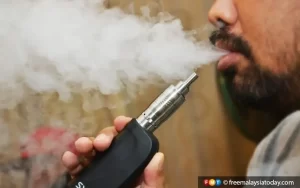
(Source: freemalaysiatoday.com)
Industry Response to State-Level Prohibitions
The Malaysian Retail Electronic Cigarette Association (MRECA) has strongly contested recent decisions by several Malaysian states to ban vape sales, arguing that such measures are both misguided and potentially counterproductive. MRECA president Adzwan Manas contends that these prohibitions could inadvertently drive consumers toward illegal products available through black market channels, thereby exacerbating rather than solving the underlying problems in the vape industry.
The Core Issue: Unregulated vs. Licensed Products
Industry representatives maintain that the primary concern lies not with legally sold vape products but with unregistered items that operate outside health ministry regulation. Adzwan emphasized that vape products sold at licensed retail establishments do not contain illegal drugs, asserting that drug-contaminated products are exclusively found in black market transactions rather than at registered vape shops. This distinction forms the foundation of the industry’s argument that blanket bans target the wrong segment of the market.
According to MRECA’s assessment, drug abuse issues stem specifically from unregulated vape products that lack proper oversight, not from products monitored by health authorities. The organization argues that individuals obtaining drug-laced vapes are sourcing these items from illegal channels, highlighting the need for enhanced enforcement against unregistered suppliers rather than restrictions on legitimate businesses.
Law Enforcement Findings and Government Response
Deputy Inspector-General of Police Ayob Khan Mydin Pitchay revealed concerning statistics from recent investigations, indicating that 65% of tested vape samples contained prohibited substances including methamphetamine and ecstasy. These findings prompted law enforcement officials to support state governments’ rights to implement vape sales bans, citing an emerging trend of vape devices being misused as delivery mechanisms for new synthetic drugs.
Law enforcement authorities have emphasized the ease with which vape devices can be modified to accommodate harmful substances, creating additional challenges for regulation and enforcement. This adaptability of vaping equipment has become a central concern in discussions about appropriate regulatory responses to the drug contamination issue.
Current State-Level Implementation Status
Several Malaysian states have already implemented or announced vape sales bans at different times. Johor established its prohibition in 2016, while Kelantan implemented similar measures in 2015, making these two states early adopters of restrictive vape policies. More recently, Terengganu and Perlis announced plans to enforce comparable bans beginning August 1, expanding the geographic scope of these restrictions.
Not all states have adopted identical approaches to vape regulation. Selangor, Penang, Negeri Sembilan, and Melaka continue reviewing ban proposals, suggesting ongoing deliberation about the most appropriate regulatory response. Kedah has chosen a middle path, deciding against implementing a complete ban while simultaneously refusing to renew vape business licenses after December, effectively phasing out the industry over time.
Industry’s Alternative Solutions
Rather than supporting outright bans, MRECA advocates for enhanced education, enforcement, and collaborative approaches to address underlying problems in the vape industry. The organization argues that targeted regulation would prove more effective than blanket prohibitions, particularly if authorities maintained comprehensive data on all retail operators to enable swift action against violators.
Adzwan highlighted ongoing challenges with online drug sales, noting that MRECA has reported the open advertisement of drugs on online platforms to the Malaysian Communications and Multimedia Commission. Despite these reports, such advertisements continue to proliferate, suggesting gaps in current enforcement mechanisms that extend beyond physical retail locations.
Legal Framework Considerations
Industry representatives argue that state-level bans contradict the intentions of the Control of Smoking Products for Public Health Act 2024. According to MRECA’s interpretation, this legislation was designed to establish comprehensive and effective regulatory frameworks for vape products rather than to enable blanket prohibitions. The organization contends that the act’s purpose centers on creating structured oversight rather than eliminating the industry entirely.
The industry proposes that proper regulation through licensing systems would provide authorities with necessary oversight capabilities. Under such frameworks, credible evidence of violations such as sales to minors or other regulatory breaches could result in license revocation, providing targeted consequences for specific infractions rather than industry-wide restrictions.
Ongoing Regulatory Debate
The current controversy reflects broader tensions between public health concerns and industry viability. While law enforcement data suggests significant contamination issues within certain segments of the vape market, industry representatives maintain that legitimate businesses operate responsibly under existing health ministry oversight. This disagreement highlights the complexity of developing effective regulatory responses that address genuine health risks while avoiding unnecessary restrictions on compliant businesses.
As various states continue evaluating their approaches to vape regulation, the debate between prohibition and structured oversight remains active. The industry’s call for enhanced collaboration and targeted enforcement suggests potential pathways for policy development that could address contamination concerns while maintaining legal market access for consumers seeking regulated products.
Original Article:
Zainudin, F. (2025, August 24). No drugs in ‘halal’ vapes, says group. Free Malaysia Today. https://www.freemalaysiatoday.com/category/nation/2025/05/26/no-drugs-in-halal-vapes-says-group