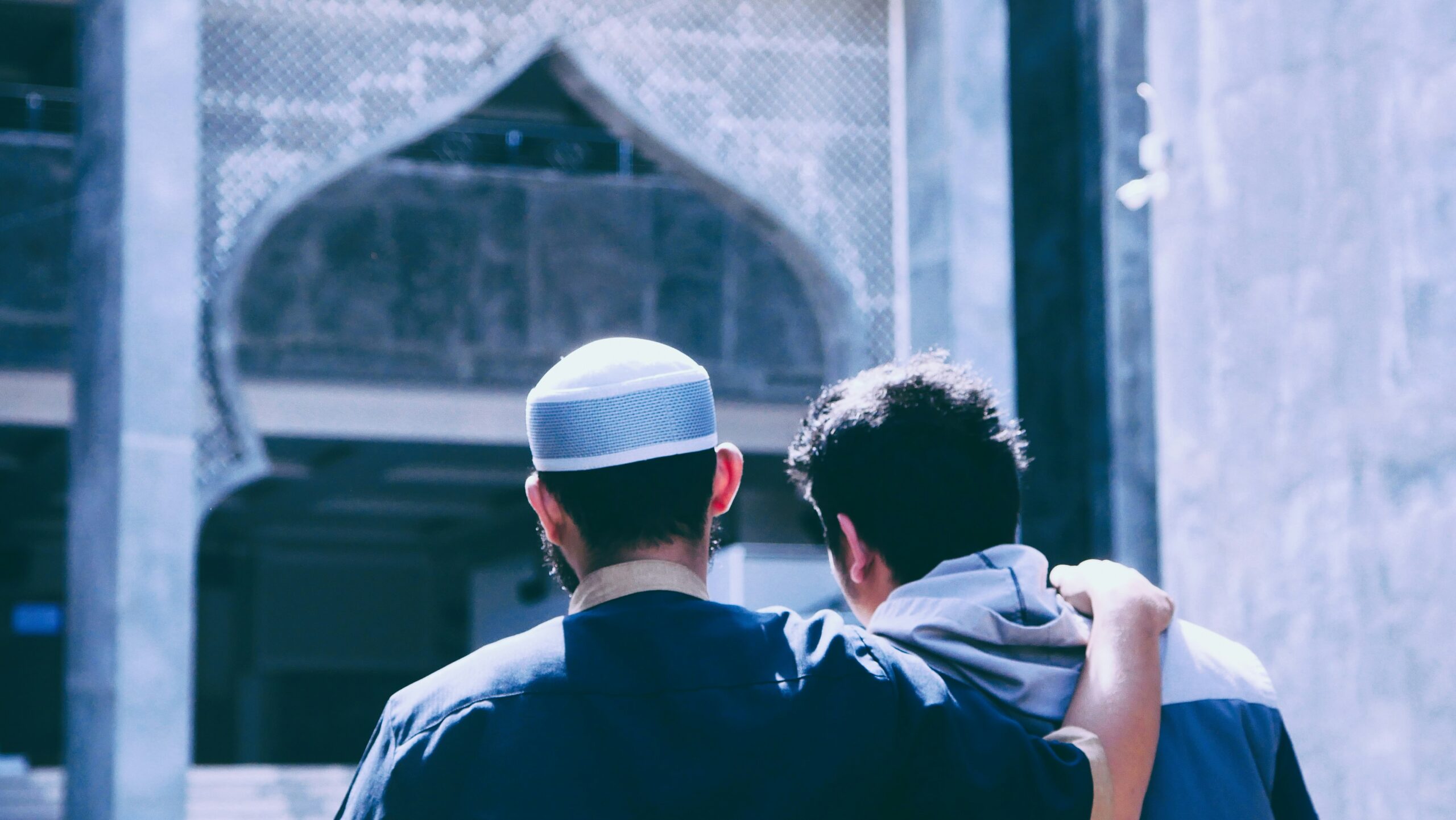
Understanding Tarawih Prayer: A Special Nighttime Worship During Ramadan
Introduction
In Islamic practice, there are certain acts of worship performed only during specific times and occasions. One of these is tarawih prayer, a special nighttime prayer performed throughout the month of Ramadan. For those seeking to understand Islam, tarawih prayers often appear as lengthy religious gatherings held collectively in mosques.
This article aims to help readers understand what tarawih prayer is, why it is performed, and what values it embodies. The explanation focuses on meaning and practice, making it accessible without requiring prior religious knowledge.
What Is Tarawih Prayer?
Tarawih prayer is a special nighttime prayer performed by Muslims during Ramadan, the holy month in the Islamic calendar. This worship is typically performed after Isha prayer (the obligatory night prayer) and before bedtime.
Unlike the five daily prayers which are obligatory, tarawih prayer is considered sunnah—meaning it is recommended but not required. Nevertheless, many Muslims voluntarily perform it because of the spiritual value and sense of community it provides.
The Meaning Behind the Name
The word “tarawih” comes from Arabic meaning “to rest.” This name reflects how tarawih prayer is practiced—with short rest breaks between sets of prayers. These breaks allow worshippers to catch their breath, drink water, or simply pause before continuing, making the lengthy prayer more manageable and comfortable.
The Significance of Tarawih Prayer for Muslims
For Muslims, tarawih prayer holds several important meanings:
Spiritual Connection: Ramadan is viewed as a time for self-reflection, self-discipline, and heightening spiritual awareness. Tarawih prayer provides dedicated time each night to focus on this spiritual dimension.
Inner Peace: Performed at night after the day’s activities have ended, tarawih becomes a time to calm the mind and find tranquility through prayer and reflection.
Community Bonding: Tarawih is often performed congregationally at mosques, strengthening the sense of togetherness within the community. Standing shoulder to shoulder in prayer, regardless of social status or background, reinforces equality and solidarity.
Quranic Connection: During tarawih prayers, the imam (prayer leader) recites portions of the Quran. Over the course of the month, many mosques aim to recite the entire Quran, allowing worshippers to hear and reflect on the complete scripture.
A Brief History of Tarawih Prayer
Historically, tarawih prayer has been practiced since the time of Prophet Muhammad ﷺ in the 7th century. The Prophet occasionally performed night prayers during Ramadan with his companions, though not regularly as a congregation every night. He was concerned that if he made it a regular congregational practice, it might become obligatory for his followers, and he wanted to keep it as a voluntary act.
During the caliphate of Umar ibn al-Khattab (one of the Prophet’s closest companions and the second caliph of Islam), tarawih prayer began to be performed more regularly as a congregation in mosques. He organized the community to pray together under one imam, making the practice more structured and unified. Since then, this practice has spread throughout the Muslim world and continues as a beloved Ramadan tradition to this day.
How Tarawih Prayer Is Performed (General Overview)
Basic Structure:
Prayer Movements: Tarawih consists of a series of physical movements including standing, bowing, and prostrating. These movements are the same as those in the five daily prayers, repeated in sets.
Recitations: During the prayer, the imam recites verses from the Quran in Arabic. Even those who don’t understand Arabic participate, finding meaning in the rhythm and spiritual atmosphere.
Number of Units: The number of rakaat (prayer cycles) can vary, typically 8 or 20, depending on local tradition and school of thought. Each set usually consists of 2 rakaat, with brief breaks in between.
Duration: A full tarawih prayer session typically lasts between 45 minutes to over an hour, depending on the length of Quran recitation and the number of rakaat performed.
The Practice of Completing the Quran
In many mosques, the imam carefully plans the recitation so that the entire Quran is read over the course of the month. This means:
- Each night, a portion (approximately one-thirtieth) of the Quran is recited
- By the end of Ramadan, worshippers have heard the complete Quran
- This practice, called “khatam al-Quran” (completing the Quran), is considered spiritually significant
- On the final nights of Ramadan, the atmosphere often becomes particularly emotional as the completion approaches
Traditions and Customs Surrounding Tarawih
Across different countries and cultures, tarawih prayer has been adapted to local contexts while maintaining its core spiritual essence:
Accommodations for Diverse Communities:
Language Accessibility: In many mosques, particularly in non-Arab countries, brief explanations or translations of key Quranic passages are provided, helping worshippers understand what is being recited.
Flexible Timing: Prayer times are adjusted to accommodate work schedules and transportation needs, especially in non-Muslim-majority countries where Ramadan schedules may conflict with regular work hours.
Social Aspects: Tarawih is often followed by light social interaction—people chat, share dates or tea, and strengthen community bonds. Many mosques provide refreshments, creating a welcoming atmosphere.
Women’s Participation: While historically women might have prayed at home, many modern mosques now provide comfortable spaces for women to participate in congregational tarawih, often with separate prayer areas or designated sections.
Regional Variations:
In the Middle East: Tarawih prayers often include longer Quranic recitations, with some lasting over an hour.
In Southeast Asia: The practice may incorporate local cultural elements, such as communal meals (breaking fast together) before tarawih.
In Western Countries: Mosques often offer shorter versions to accommodate those who must work the next day, while still maintaining the spiritual essence.
These adaptations demonstrate Islam’s flexibility—the religion can adapt to different cultures and circumstances without losing its essential teachings.
Tarawih Prayer from a Social Perspective
From a social viewpoint, tarawih prayer is more than just worship—it’s a gathering space. Muslims from various backgrounds—different nationalities, languages, professions, and social classes—come together in one space with a shared purpose.
What Non-Muslims Might Observe:
A Time for Collective Reflection: Just as some people practice meditation or attend evening services, Muslims use tarawih as a time to step away from daily concerns and reflect.
Practice of Self-Discipline: Coming to the mosque every night for a month, especially after fasting all day, requires commitment and discipline. This builds character and strengthens resolve.
Emphasis on Peace and Order: The structured, rhythmic nature of tarawih—with its organized rows, synchronized movements, and melodious Quran recitation—creates an atmosphere of peace and harmony.
Community Building: Tarawih breaks down social barriers. You might find a doctor standing next to a taxi driver, a student next to a business owner, all equal in prayer.
Family Time: Many families make tarawih a shared experience, with parents bringing children to the mosque, introducing them to community worship and creating lasting memories.
The Experience of Tarawih: A Closer Look
For the Worshipper:
Imagine the experience: after a long day of fasting (no food or water from dawn to sunset), you break your fast at sunset, rest briefly, then head to the mosque as darkness falls. The mosque is filled with people—familiar faces and newcomers alike.
As the prayer begins, the room falls silent. The imam’s voice rises in recitation, and you stand in rows with others, following the movements of prayer you’ve known since childhood. The Arabic words flow over you—some you understand, others you don’t, but the rhythm is familiar and comforting.
During the brief breaks, you might exchange greetings with the person next to you, take a sip of water, or simply sit quietly, reflecting on the recitation you’ve just heard. When the prayer concludes, you might stay to socialize, or head home feeling spiritually refreshed, ready to face another day of fasting tomorrow.
For the Community:
Tarawih transforms the mosque from a place visited five times daily into a vibrant community hub each evening. The atmosphere during Ramadan is noticeably different—more people, more energy, more sense of collective purpose. This nightly gathering strengthens social bonds, allows for community announcements, facilitates charity collection, and creates opportunities for those who might feel isolated to connect with others.
Common Questions About Tarawih
Is tarawih only for Muslims? While tarawih is an Islamic practice, non-Muslims are often welcome to observe from designated areas in many mosques. It’s best to contact the mosque beforehand to understand their visitor policies.
Do all Muslims perform tarawih? No. Since it’s recommended rather than obligatory, some Muslims choose to perform it at home, some only on certain nights, and some not at all. There’s no penalty for not performing tarawih.
Why do some mosques pray 8 rakaat and others 20? This stems from different interpretations of historical practice. Both are considered valid, and the choice often depends on the mosque’s Islamic school of thought or community preference.
Can tarawih be prayed alone? Yes, absolutely. While congregational prayer is encouraged for the community atmosphere and spiritual boost, individuals can perform tarawih at home.
The Universal Values in Tarawih
While tarawih is rooted in Islamic tradition, the values it embodies are universal and can resonate across cultures:
Discipline and Commitment: The dedication to attend prayer night after night mirrors any practice that requires sustained effort and commitment to self-improvement.
Mindfulness and Reflection: Like meditation or contemplative practices in other traditions, tarawih provides structured time for introspection and spiritual focus.
Community and Belonging: The human need for community and shared experience is universal, and tarawih fulfills this through collective worship.
Balance: Tarawih represents the Islamic emphasis on balancing spiritual and social dimensions—individual devotion combined with community participation.
Accessibility: Despite its length, tarawih is designed to be accessible—the rest periods, the option to sit if standing is difficult, and the welcoming atmosphere all reflect an inclusive approach.
Conclusion
Tarawih prayer represents how Muslims bring the month of Ramadan to life through reflective and collective nighttime worship. While originating from religious tradition, the values reflected in tarawih—self-discipline, tranquility, community, and spiritual awareness—are universal and can be understood across cultures.
Through understanding practices like tarawih prayer, Islam can be seen not only as a collection of theological teachings but as a way of life that emphasizes balance between spiritual and social dimensions. Every movement and custom in tarawih reflects humanity’s effort to improve oneself, live more orderly lives, and maintain harmonious relationships with others.
For non-Muslims observing Ramadan in their communities, understanding tarawih helps explain why mosques are more active at night during this month, why Muslim colleagues might seem tired (from late nights at the mosque after fasting all day), and why there’s a palpable sense of anticipation and spiritual energy in Muslim communities during Ramadan.
Ultimately, tarawih prayer is a beautiful example of how ritual and community can combine to create meaningful spiritual experiences—a concept that transcends religious boundaries and speaks to fundamental human needs for connection, purpose, and peace.
References
BBC Religion – What is Ramadan? https://www.bbc.co.uk/religion/religions/islam/holydays/ramadan.shtml
BBC Religion – Islam at a glance https://www.bbc.co.uk/religion/religions/islam/
National Geographic – Ramadan https://www.nationalgeographic.com/culture/article/ramadan
Encyclopaedia Britannica – Tarawih prayer https://www.britannica.com/topic/tarawih-prayer