Dissecting the Plasenta Question: Is It Halal or Haram?
JAKARTA (April 10, 2026)
Health and beauty are two industries that never stop growing. Health is the fundamental pillar of human life — without it, a person cannot function optimally or enjoy a long life. Meanwhile, beauty has always been a timeless need, from ancient civilizations to the present day. Everyone wants to look their best, and this industry constantly evolves to keep up with the latest trends.
In pursuit of the best products in both fields, innovators and scientists never stop experimenting. One ingredient that has recently sparked widespread discussion is placenta — now commonly found in various skincare products and health supplements. While it may sound novel and futuristic, the use of placenta is far from new. Since ancient China, placenta has been used as a traditional medicinal ingredient.
In the beauty world, placenta is believed to rejuvenate the skin, prevent premature aging, reduce wrinkles, and soften and smooth the complexion. On the health side, it is claimed to accelerate wound healing, boost vitality and energy, and provide benefits for pregnant and postpartum women — including supporting breast milk production and aiding postnatal recovery.
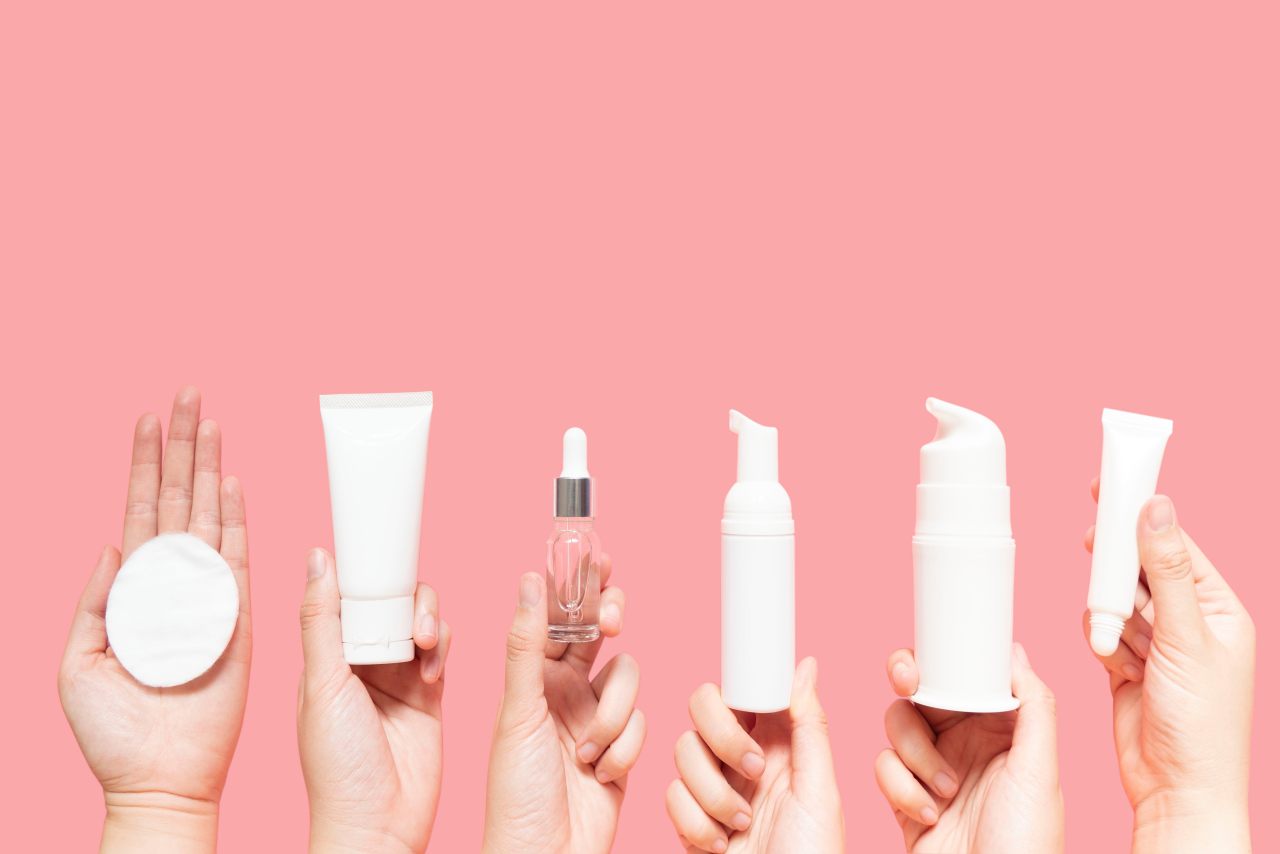
As technology has advanced, innovation in placenta-based products has grown alongside it. Today, placenta is no longer limited to extracts found in hand creams, body lotions, or facial creams — it has also been formulated into oral pills and supplements. The rise of social media has further accelerated the spread of information about placenta’s benefits, drawing ever-growing interest from the general public.
Yet behind all the promised benefits, the use of placenta remains in a legal gray area within Islamic jurisprudence. Many Muslims find themselves unsure: is it permissible to use products containing placenta? This article aims to provide a comprehensive answer to that question.
Understanding Placenta and Its Function
Before addressing the legal question, it is important to first understand what placenta is. The placenta is a temporary organ that forms during pregnancy and serves as the connecting link between the mother and the fetus. It can develop in various positions within the uterus — along the back wall (posterior placenta), at the top (fundal), along the front wall (anterior placenta), or along the right or left side (lateral).
The placenta’s primary function is to deliver nutrients and oxygen from the mother’s body to the fetus through the umbilical cord, while simultaneously removing metabolic waste from the fetus back into the mother’s bloodstream. It is temporary by nature — once the baby is born, the placenta follows shortly after.
The Islamic Legal Ruling on Placenta Use
From the perspective of Islamic jurisprudence (fiqh), the ruling on placenta use is not singular. Depending on the source of the placenta and the manner in which it is used, it can be either permissible (halal) or forbidden (haram).
When Placenta Use Is Permissible
First, using placenta derived from animals that are lawful to consume — for topical cosmetic products or external medicines — is generally permitted. The ruling follows the same logic as consuming those animals. Cattle, deer, goat, fish, and other animals deemed halal carry that same status when it comes to their placenta. However, it must be noted that the animal must also be slaughtered in accordance with Islamic law, with full observance of the proper rules and etiquette of slaughter.
This ruling is grounded in the principle that Allah created lawful animals to be utilized by humankind to the fullest, as stated in the Quran, Surah An-Nahl, verse 5:
وَالأَنعَامَ خَلَقَهَا لَكُم فِيهَا دِفءٌ وَمَنَافِعُ وَمِنهَا تَأكُلُون
“And He has created cattle for you; in them there is warmth and numerous benefits, and of them you eat.” (Q.S. An-Nahl [16]: 5)
Second, the use of placenta as an internal medicine (taken orally) is permissible, but only under genuine medical necessity. This condition is emphasized as a matter of consumer caution, as placenta carries the risk of containing bacteria or metabolic waste that has not been properly filtered. Furthermore, while placenta has been cited as potentially beneficial for liver disease and hepatitis, scientific evidence supporting the direct consumption of placenta remains very limited. Therefore, if consumed, placenta must first undergo thorough processing and chemical sterilization.
When Placenta Use Is Forbidden
There are several conditions under which the use of placenta becomes haram.
First, placenta derived from animals that are prohibited in Islam — such as pigs — is clearly impermissible. The ruling mirrors that of consuming those animals directly. Consumers should exercise particular care when reading product labels and ingredient lists.
Second, placenta from animals that were not slaughtered in accordance with Islamic law remains impermissible, even if the animal itself belongs to a halal species. The method of slaughter is a determining factor that cannot be overlooked.
Third — and most categorically forbidden — is the use of human placenta. Every part of the human body, including the placenta, may not be used for consumption or extracted for use in any product whatsoever. This prohibition is rooted primarily in the imperative to preserve the dignity of fellow human beings, as God has honored humanity above other creatures. This is affirmed in Surah Al-Isra’, verse 70:
وَلَقَد كَرَّمنَا بَنِي آدَمَ وَحَمَلنَاهُم فِي البَرِّ وَالبَحرِ وَرَزَقنَاهُم مِّنَ الطَّيِّبَاتِ وَفَضَّلنَاهُم عَلَىٰ كَثِيرٍ مِّمَّن خَلَقنَا تَفضِيلًا
“And We have certainly honored the children of Adam and carried them on the land and sea and provided for them of the good things and preferred them over much of what We have created, with definite preference.” (Q.S. Al-Isra’ [17]: 70)
Beyond the religious grounds, the use of human placenta also poses a real risk of disease transmission — a further, practical reason to avoid it entirely.
Beware of Illegal Placenta-Based Products
The issue does not end at legal theory. In practice, consumers face a very real challenge: the widespread circulation of illegal skincare products that turn out to contain placenta extracts from non-halal sources. More alarmingly, such ingredients often go undetected by the average consumer.
This problem is driven by two main factors: weak law enforcement around illegal imported products, and insufficient rigor in halal committee inspections of goods entering the market. As an informed consumer, always ensure that any product carries a halal certification from a recognized and trustworthy body and make it a habit to read the ingredient list on every label.
Conclusion
The use of placenta in cosmetic and health products is neither categorically halal nor universally haram. Its permissibility hinges on three key factors: the animal of origin (must be from a halal species), the method of slaughter (must comply with Islamic law), and the type of placenta (human placenta is forbidden without exception).
For Muslim consumers wishing to use placenta-based products, the guidance is clear: prioritize products with reliable halal certification, avoid products with unclear or unlisted ingredients, and consult a trusted Islamic scholar or fatwa institution when in doubt. Because behind the beauty and wellness these products promise, ensuring the permissibility of what we consume and apply is an inseparable part of a Muslim’s devotion.
REFERENCES
Andriani, S. (2024). Penggunaan Plasenta Hewan Halal Sebagai Bahan Kosmetik (Studi Perbandingan Fatwa Majelis Ulama Indonesia Dan Fatwa Pejabat Mufti Wilayah Persekutuan Malaysia) (Doctoral dissertation, UIN SUNAN KALIJAGA YOGYAKARTA).
Hariyani, H., & Syukri, S. (2024). Penggunaan Produk Kosmetik yang Belum Terdaftar pada BPOM Perspektif Hukum Ekonomi Syariah. Buletin Hukum Ekonomi Syariah, 2(01), 61-68.
Sumarlin, A., Parakkasi, I., Muthiadin, C., & Umar, R. (2024). The Identifikasi Titik Kritis Kehalalan dalam Produk Turunan Hewani: Pendekatan Sistematik untuk Keamanan Konsumen. AkMen JURNAL ILMIAH, 21(2), 145-160.
Indonesian Ulema Council. (2011). Fatwa No. 30/2011 on the Use of Placenta from Lawful Animals in Cosmetics and External Medicines.
Indonesian Ulema Council. (2012). Fatwa No. 30/2012 on the Use of Placenta from Lawful Animals in Medicinal Products.