From Mosque to Marketplace: Indonesia’s Soft Power Strategy in Promoting Halal Food in Japan
Unlocking Opportunities from a Minority
Kawaguchiko, Japan – Japan, despite being known for its small Muslim population, has made significant efforts to welcome Muslim tourists, including those from Indonesia. In recent years, the demand for halal food and prayer facilities has increased, creating opportunities for the development of a halal ecosystem. This ecosystem initially grew around small Muslim communities, primarily based in mosques. This article will discuss how Indonesia utilizes halal values as part of its soft power strategy, not only to raise awareness in Japan but also to open doors for Indonesian halal products in the international market.
Mosque: The Starting Point of the Halal Journey
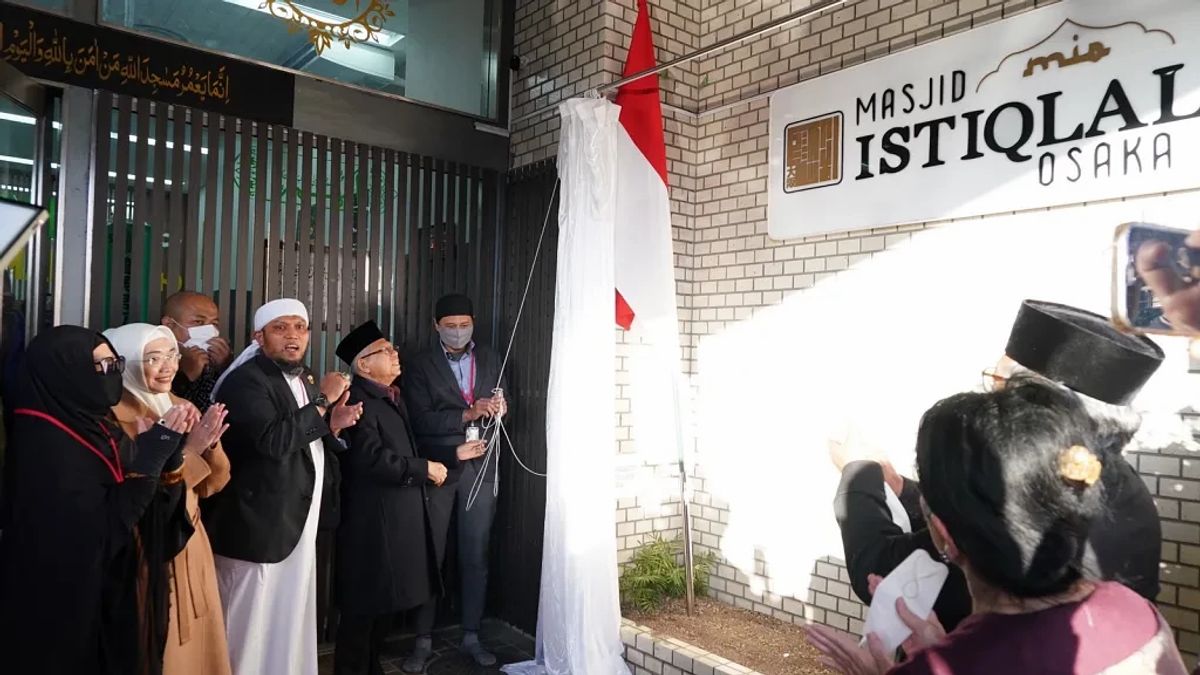 (Photo: VOI)
Mosques, such as Kyoto Grand Mosque and Osaka Istiqlal Mosque in Japan, play a more significant role than just being a place of worship. They become community centers, educational hubs, and distribution points for halal food. It is here that institutions like the Japan Muslim Association (JMA) and the Japan Halal Certification Promotion Organization (JHCPO) were established. Mosques serve as a bridge between Islamic values and Japanese society, creating a space for dialogue and cultural exchange that builds trust. Through religious and social activities, mosques become the starting point for introducing the concept of halal to the wider community, while also strengthening the identity of the Muslim community in Japan.
Towards the Marketplace: Collaboration and Business
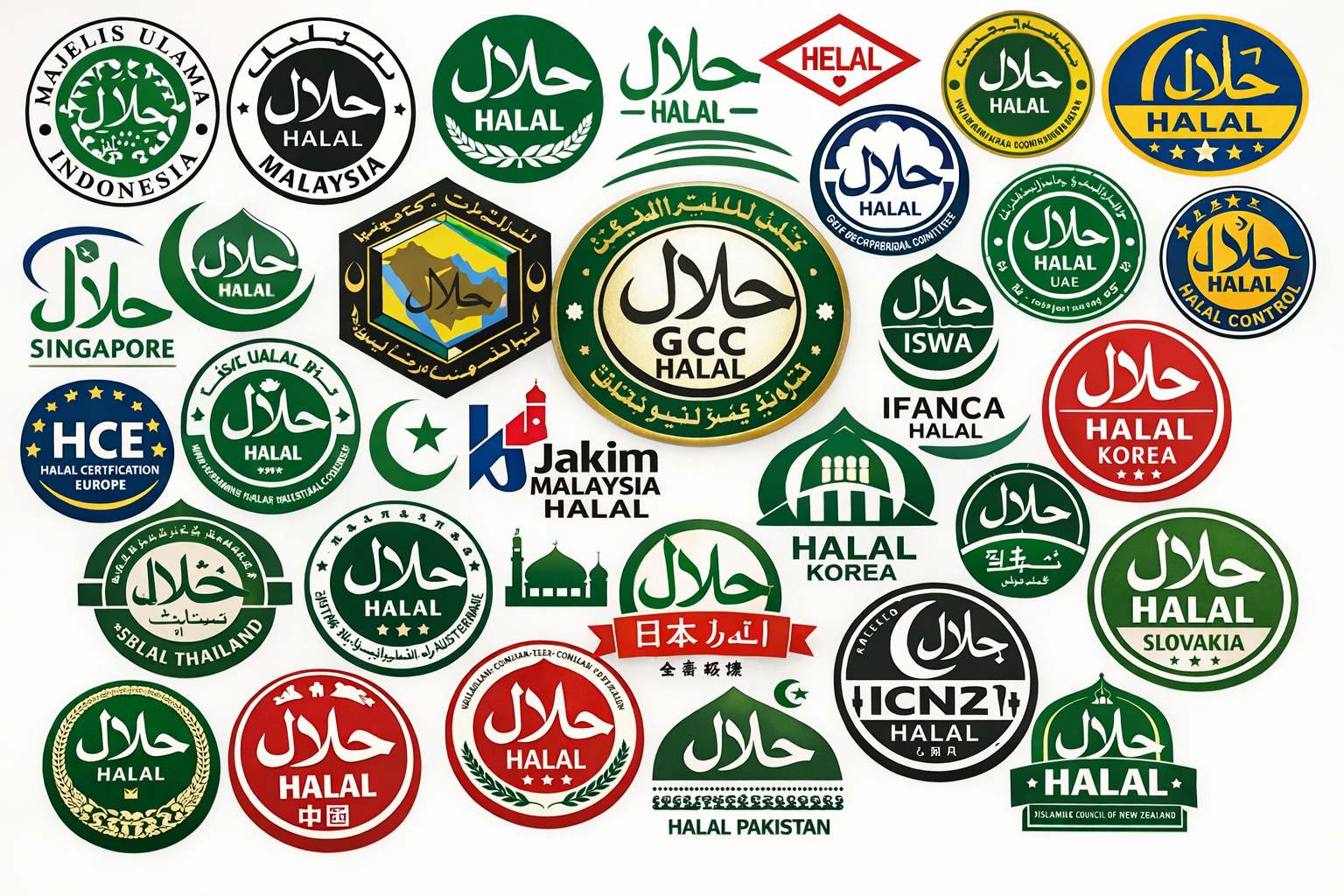
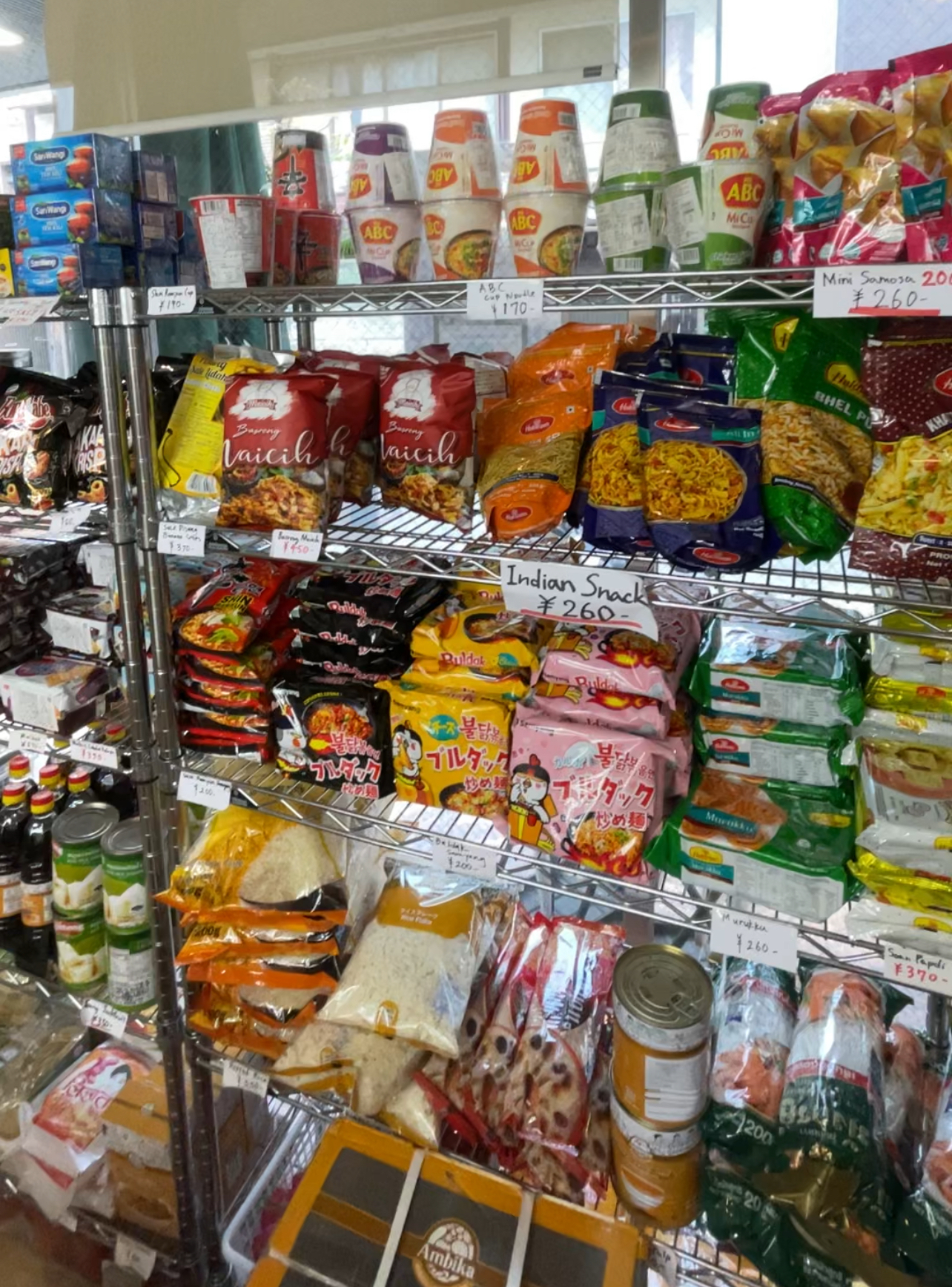
Indonesian government institutions, such as Halal Product Assurance Organizing Body (BPJPH) and Indonesian Ulema Council (MUI), contribute to the development of halal food in Japan, particularly in the certification process. This support opens up opportunities for broader business relationships. International halal exhibitions, product certification collaborations, and the strengthening of halal export networks become evidence that halal values can be transformed into economic opportunities. The presence of Indonesian restaurants like Chilli Meguro and stores like Toko Indonesia Okubo in Japan demonstrates that Indonesia’s halal diplomacy is not just a concept, but a reality in the market. This is in line with Japan’s multi-track diplomacy approach, where business actors, religious organizations, government agencies, media, and even social media influencers are actively involved in supporting halal tourism branding in Japan.
Indonesia’s Soft Power: The Attraction of Values
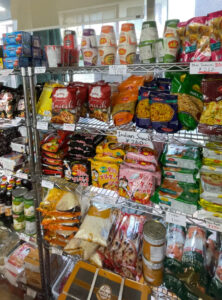 (Indonesia Halal Market at Kyoto Grand Mosque)
Soft power is the ability to influence without coercion. In this context, the concept of halal, which carries values of cleanliness, health, and ethics, becomes a unique attraction, even for non-Muslims. Halal food is not just about religion, but also about a better quality of life. Indonesia has a strong position as an inclusive and modern Muslim country. Collaboration with Japan in promoting halal food and Muslim-friendly tourism becomes a strategic step to expand Indonesia’s influence in the global market. By utilizing halal values, Indonesia can strengthen its image as a country that is welcoming to all, including non-Muslims.
Challenges and Opportunities to be Optimized
Although Indonesia has great potential as a major player in the global halal industry, not all local producers are aware of the strategic value of halal certification. Low awareness of the importance of halal certification and the lack of formal cooperation between institutions at the G-to-G level become obstacles in the development of the halal industry. However, the growing demand for halal products in Japan opens up significant opportunities for Indonesia to expand its influence through a collaborative and value-based approach. By increasing awareness and understanding of the importance of halal certification, Indonesia can capitalize on this opportunity to strengthen its position in the international market.
Building a Halal Bridge between Nations
Indonesia’s soft power strategy through halal food demonstrates that a community-based approach can be an effective way in international diplomacy. Mosques as the starting point have helped raise awareness and build trust. The country and business actors then develop this potential into mutually beneficial economic cooperation. From mosques to marketplaces, Indonesia is building a halal bridge between nations, not just for economic gain, but also to strengthen cultural and trust relationships between countries. With the right steps, Indonesia can become a leader in the global halal industry and strengthen its position as a welcoming and inclusive country.
References
Azizah, S.N., Dalle, J., Ogata, N.S., et al. (2023). Indonesia’s Halal Business Practices with Japan: Promoting Muslim-Friendly Initiatives. Journal of Human Security, 19(2), 50–58.
Fithriana, A. (2022). Indonesia Soft Power Diplomacy: Halal Food in the Implementation of Indonesian Public Diplomacy. ICRSH142-2 Proceedings.
Damakhiroh, W., & Sagena, U.W. (2024). Japan’s Multi-Track Diplomacy in Increasing Its Halal Tourism Branding. Research Horizon, 4(3), 261–268.