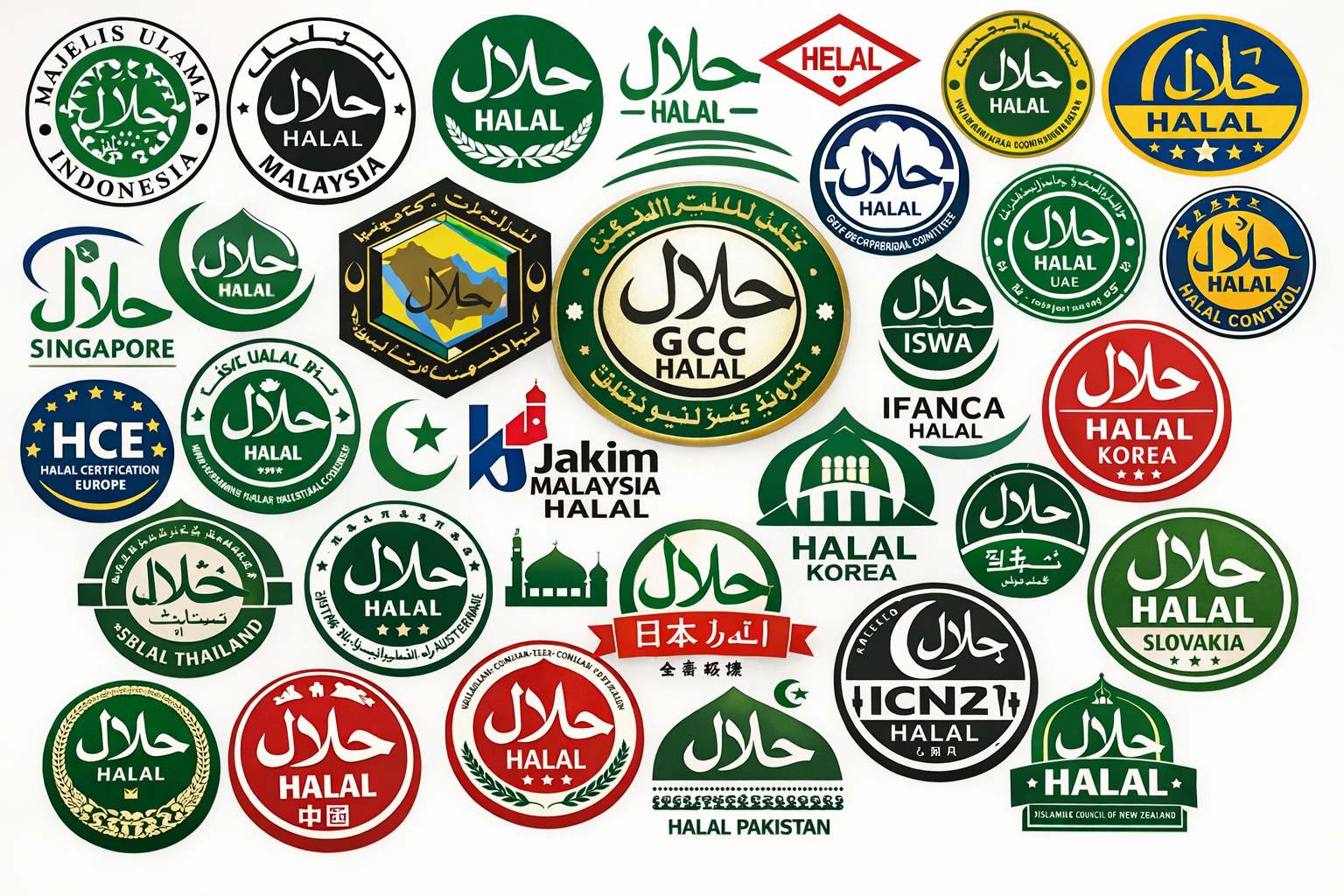
Indonesia’s Major Islamic Organization Defends Halal Certification Amid US Trade Concerns
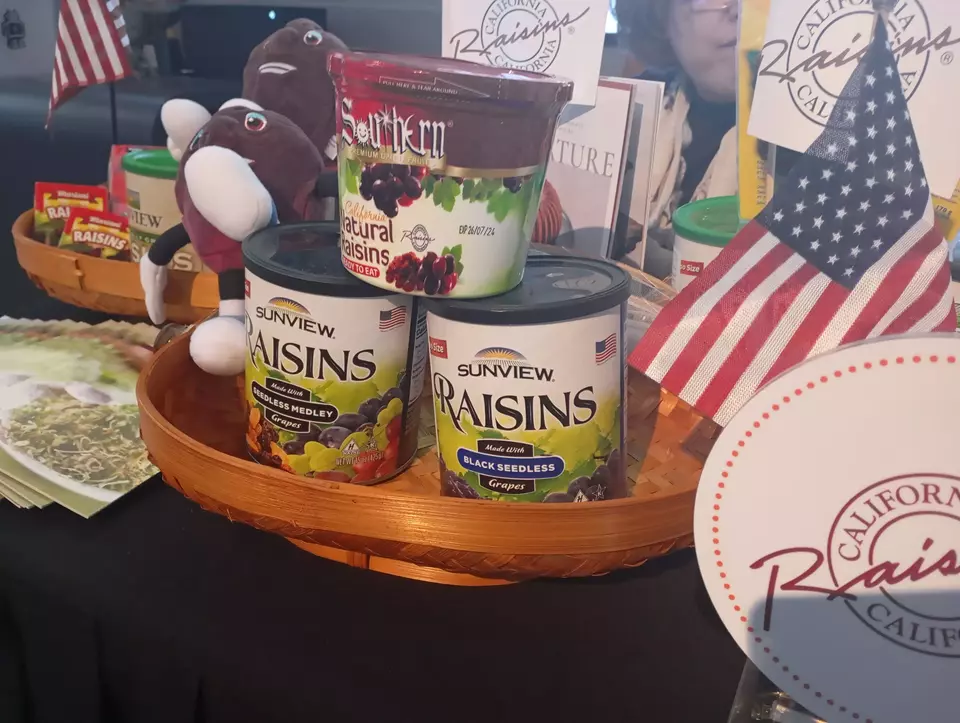
Source: Jakarta Globe Id
Kawaguchiko, Japan – Nahdlatul Ulama (NU), Indonesia’s largest Islamic organization, has called on the government to maintain its halal certification requirements for imported products despite recent criticism from the United States.
Religious Rights vs. Trade Interests
During a Jakarta press conference on Tuesday, NU Chairman Yahya Cholil Staquf emphasized Indonesia’s responsibility to protect its predominantly Muslim population through proper product certification.
“We have the sovereign right to implement regulations that protect our citizens, regardless of concerns voiced by the United States,” Yahya stated. “It’s entirely reasonable for our public to expect halal regulations, and our government must address these fundamental needs.”
The chairman pointed out that several other Muslim-majority nations enforce even more stringent halal requirements than Indonesia’s current system.
US Trade Representative’s Concerns
This defense comes in response to the Office of the United States Trade Representative (USTR) classifying Indonesia’s mandatory halal certification as a “technical barrier to trade” in its latest foreign trade barriers report.
Yahya dismissed these criticisms as purely commerce-driven considerations that fail to acknowledge the religious values underpinning Indonesia’s regulations.
“Foreign companies remain welcome to sell their products in our market—provided they comply with our regulations,” he explained. “Products without halal certification can still be sold, but cannot be marketed as halal-compliant. The principle is straightforward.”
Scope of Indonesia’s Halal Requirements
According to the USTR report, Indonesia now mandates halal certification across numerous product categories, including:
- Food and beverages
- Pharmaceuticals
- Cosmetics
- Medical devices
- Biological and genetically engineered products
- Consumer goods
- Chemical products
These requirements stem from Law No. 33/2014 on Halal Product Assurance, which stipulates that all business operations—including production, storage, packaging, distribution, and marketing—must adhere to halal standards.
Procedural Complaints
The USTR criticism centers not only on the requirements themselves but also on Indonesia’s implementation approach. The report claims Indonesia has finalized numerous implementing regulations without proper notification to the World Trade Organization (WTO) or stakeholder consultation, as required under the WTO Agreement on Technical Barriers to Trade.
“Over the past five years, Indonesia has demonstrated a pattern of notifying Halal Law implementing measures to the WTO only after they have already taken effect,” the report stated.
Additional concerns involve a Religious Affairs Ministry decree that expanded the range of products requiring certification. The Halal Product Assurance Organizing Agency (BPJPH) has also issued separate regulations governing the accreditation of foreign halal certifiers and conformity assessments.
The USTR contends these rules create redundant paperwork, complex auditor requirements, and inflexible scope-to-auditor ratios that increase compliance costs and delay the accreditation process for American exporters.
Broader Trade Tensions
This disagreement over halal certification occurs amid growing trade tensions between Indonesia and the United States. The halal certification dispute represents just one aspect of broader trade discussions between the two nations, with other issues including Indonesia’s QRIS payment system policy and potential US tariffs on Indonesian exports.
Several economic analysts have urged Indonesia to maintain its regulatory independence while strategically diversifying its trade relationships to mitigate potential economic impacts from trade disputes with the United States.
Former President Susilo Bambang Yudhoyono recently called for national unity in addressing US tariff threats, noting that rising geopolitical and economic tensions would inevitably affect Indonesia both directly and indirectly.
Moving Forward
As bilateral trade talks continue, Indonesian officials maintain that protecting consumer rights in a Muslim-majority nation remains a legitimate policy objective, while acknowledging the importance of following international trade protocols.
Two US halal certification bodies have already received Indonesian accreditation, suggesting pathways exist for compliance despite the regulatory challenges highlighted by the USTR.
Original Articles:
jakartaglobe.id. (n.d.). Indonesia’s Largest Muslim Group Defends Halal Rules Against US Criticism. Retrieved April 25, 2025, from https://jakartaglobe.id/business/indonesias-largest-muslim-group-defends-halal-rules-against-us-criticism