Seizing the Halal Boom: How Indonesia Can Lead the Global Industry Through Certification and Innovation
Kawaguchiko, Japan – Indonesia is uniquely positioned to seize the opportunities of the booming global halal economy. As the world’s largest Muslim-majority nation, Indonesia’s potential to dominate the expansion of halal-certified products, spanning food, cosmetics, pharmaceuticals, fashion, and finance, has never been greater. Yet realizing this potential requires more than ambition. It demands strategic action “streamlining halal certification and fostering relentless innovation across sectors”. By embracing these priorities, Indonesia can transform itself into a global halal powerhouse, setting trends, opening markets, and elevating its international standing.
Strengthening the Foundation: The Current State of Halal Certification in Indonesia
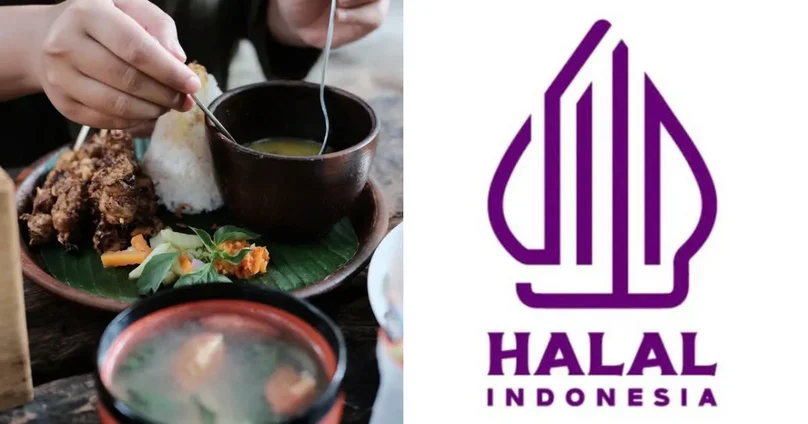
Halal certification is the foundation upon which Indonesia’s global ambitions must be built. Over recent years, significant progress has been made, particularly with the establishment of BPJPH (Badan Penyelenggara Jaminan Produk Halal), the government agency tasked with overseeing certification. However, despite these advances, hurdles remain. Research by Mubarok and Imam (2020) shows that many small and medium-sized enterprises (SMEs) still find the certification process complex and inaccessible.
To unlock the full potential of Indonesia’s halal industry, the government must double down on simplifying certification, offering educational initiatives for businesses, and making regulatory processes more efficient. A streamlined, SME-friendly certification system will not only build greater consumer trust but will also empower Indonesian companies to compete more aggressively in global markets, especially as ethical and health-conscious consumers worldwide increasingly turn to halal products.
Innovation: The New Engine of Global Competitiveness
Certification alone won’t guarantee leadership. Innovation must become Indonesia’s engine for sustained global competitiveness. As the halal market diversifies, businesses must anticipate and meet rapidly changing consumer expectations. Studies by Afendi (2020) reveal that in sectors like halal fashion, consumer choices are influenced not just by certification, but also by creativity, design, and brand authenticity.
Indonesia has a unique opportunity to lead in emerging halal sectors, particularly in fashion and cosmetics, which are witnessing explosive growth worldwide. To capture these markets, Indonesian entrepreneurs and companies must invest in research and development, leverage local cultural strengths, and push the boundaries of product innovation. Offering high-quality, ethically aligned, and trend-driven halal products will position Indonesia as a trailblazer in the global halal landscape.
Building Indonesia’s Brand as a Global Halal Leader
Indonesia’s ambition must go beyond exporting halal products, it must craft a strong global brand around its halal identity. As Mubarok and Imam (2020) argue, strategic “halal diplomacy” will be key to shaping international standards and creating new trade opportunities.
Through global partnerships, thought leadership in halal conferences, and active engagement in setting international halal standards, Indonesia can project influence well beyond its borders. A holistic halal ecosystem, combining education, research, entrepreneurship support, and government facilitation will cement Indonesia’s leadership role. Importantly, building a distinctive, trusted brand for Indonesian halal products will attract not only Muslim consumers but also the fast-growing segment of ethical, health-conscious buyers worldwide.
Conclusion: A Defining Opportunity
The global halal boom is a defining opportunity for Indonesia, but only if the country moves decisively. By streamlining halal certification for SMEs, driving innovation across industries, and cultivating a dynamic halal brand, Indonesia can establish itself as a global leader in this rapidly expanding market.
The world is ready. Global consumers are ready.
Now, it’s time for Indonesia to step confidently into its role at the forefront of the halal economy!
References
Anwar, M. (2020). Halal industry in Indonesia: Challenges and opportunities. Journal of Digital Marketing and Halal Industry, 2(1), 55–64.
Anggraini, R. D., & Amalia, E. (2020). Halal industry ecosystem: Between the role of the government and halal awareness. In Proceedings of the 3rd International Conference on Law, Governance and Social Justice (ICOLGAS 2020)(pp. 453–458). Atlantis Press.
Marlina, L., & Fitrani, E. (2022). Development of halal tourism in West Sumatra: SWOT analysis approach. Jurnal Ilmiah Teknik Industri (JITI), 21(2), 95–101.
Wahyuni, I. R., & Nurhadi, N. (2023). Implementation of halal value chain for SMEs: Case study in food and beverage sector. Journal of Economic Studies (JES), 8(1), 45–54.
Asyari, A., & Khuluq, L. (2023). The role of halal certification on the competitiveness of micro and small enterprises. Jurnal Dinamika Manajemen dan Bisnis Islam (JDMHI), 5(1), 1–14.