Indonesian Official Clarifies Import Rules for Non-Halal Products
The head of Indonesia’s Halal Product Guarantee Administration Agency (BPJPH) has outlined conditions under which non-halal products from other countries can be sold in Indonesia, provided they carry clear labeling about their non-halal status.
Clear Labeling Requirements
According to BPJPH Chief Ahmad Haikal Hasan, foreign non-halal products may still enter Indonesian markets if they display obvious non-halal indicators through text, images, and visual symbols on their packaging. This ensures Indonesian consumers can make informed choices about products they purchase and consume.
Extended Compliance Timeline
Indonesia has postponed mandatory halal certification requirements for imported food, beverages, and slaughter services until October 17, 2026, as outlined in Government Regulation No. 42 of 2024. Starting October 18, 2026, these certification requirements will become enforceable.
This deadline extension serves two purposes: allowing time to establish mutual recognition agreements with other countries and giving businesses adequate preparation time to meet halal certification regulations. Indonesia is actively engaging with partner nations to communicate these extended timelines.
Registration and Certification Process
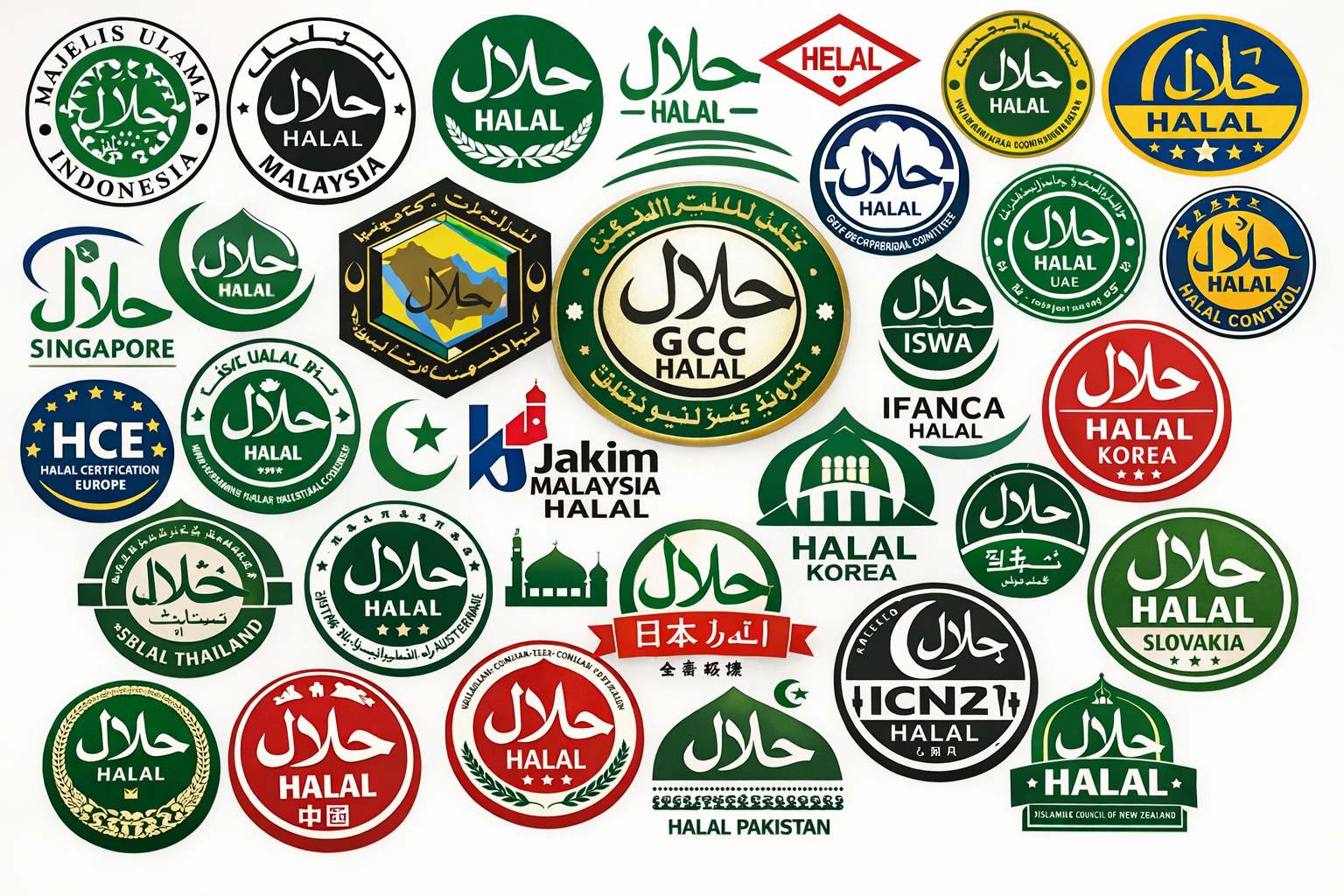
Foreign products that have received halal certification from overseas institutions must register with BPJPH through the Sihalal system before entering Indonesian markets. The agency has proposed revisions to existing procedures for registering foreign halal certificates and has established labeling requirements for imported halal products.
International Cooperation
As of June 2025, Indonesia has established mutual recognition agreements (MRA) for halal certificates with 87 certification agencies across 32 countries. These partnerships aim to enhance halal product trade relationships between Indonesia and its international partners.
Economic Benefits
Hasan emphasized that halal certification creates valuable opportunities within the global halal economy, contributing to economic development and improving community prosperity through alternative trade value chains. Indonesia remains committed to expanding cooperation with additional foreign halal certification organizations.
Original Article:
Editorial Team. (2025, July 6). Haikal Hasan explains the terms of non-halal products that can enter Indonesia. VOI.